

The kitchen light was the soft kind that makes everything look tired but honest. Evening had already settled in, and the house carried the quiet noise of real life — the hum of a refrigerator, the distant voice of a child calling from another room, the slow rhythm of water running into a sink full of dishes. Hannah Harper stood there with her sleeves pushed up, hands deep in soap and warm water, moving through the kind of moment most people forget before it’s even over.
There was no audience.
No stage.
Only the small, ordinary world that comes after a long day.
A plate slipped beneath the water, and with it, a melody began to rise — not loudly, not for anyone in particular, but the way people sing when they don’t realize they’re being heard. Her voice moved carefully at first, as if testing the air, as if the song itself wasn’t sure it belonged there among the clatter of forks and glasses.
The words felt like they had always been waiting in that room.
Simple words.
Words that sounded like laundry baskets and grocery lists and bedtime stories.
Somewhere behind her, a child laughed, then called her name again. She didn’t turn right away. She just kept singing, her eyes fixed on the sink, her hands moving through the water like the motion itself was keeping the song steady. The kitchen window held the last piece of daylight, and for a moment the whole room seemed to pause and listen.
The song was called Love Lives, but it didn’t sound like something written for a studio.
It sounded like something written while the coffee boiled over.
Something written while the phone rang and nobody answered.
Her voice wasn’t chasing perfection.
It carried the warmth of someone who didn’t have time to be perfect.
On the counter beside her sat unopened mail, a towel thrown carelessly over the edge, a child’s drawing held to the fridge by a magnet that had probably been there for years. None of it looked special, and yet the song made every detail feel like it mattered.
When she reached the chorus, she smiled without realizing it.
Not the kind of smile meant for cameras.
The kind that happens when a thought feels true.
The water kept running.
The dishes kept clinking.
Life didn’t stop to make room for the music.

And somehow that was exactly why the music felt so big.
Later, people would watch the video and try to explain why it stayed with them. They would talk about the lyrics, about the honesty, about how it reminded them of their own kitchens, their own nights, their own unfinished chores. But in the moment itself, there was nothing to explain.
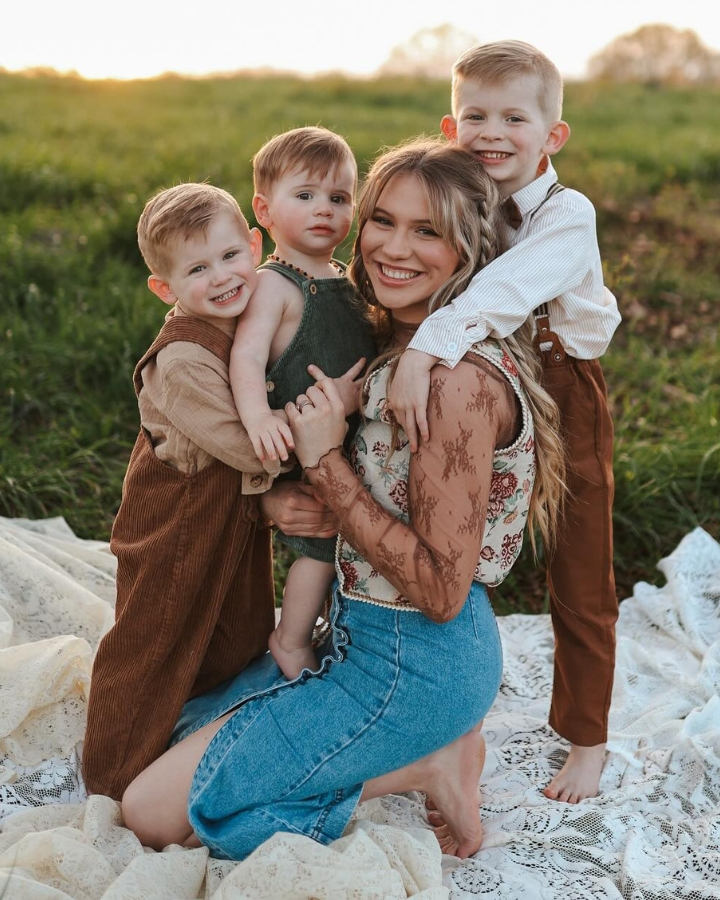
Just a mother standing at the sink.
Just a song that fit perfectly inside an ordinary evening.
When the last note faded, she turned off the water, dried her hands on the edge of her shirt, and walked out of the kitchen without looking back — leaving the room exactly the way it had been, except that somehow it didn’t feel the same anymore.