
In a significant development for global energy markets and international shipping, Iran’s Foreign Minister announced today that the critical waterway between Iran and Oman is partially reopening after a tense two-week closure.
This specific strait is undeniable as one of the world’s most vital maritime choke points, with roughly 20% of the world’s total oil shipments transiting its waters daily. Its abrupt closure two weeks ago sent ripples of instability through the energy sector, halting traffic and causing immediate market reactions.
The Breakdown: Who Can and Cannot Pass
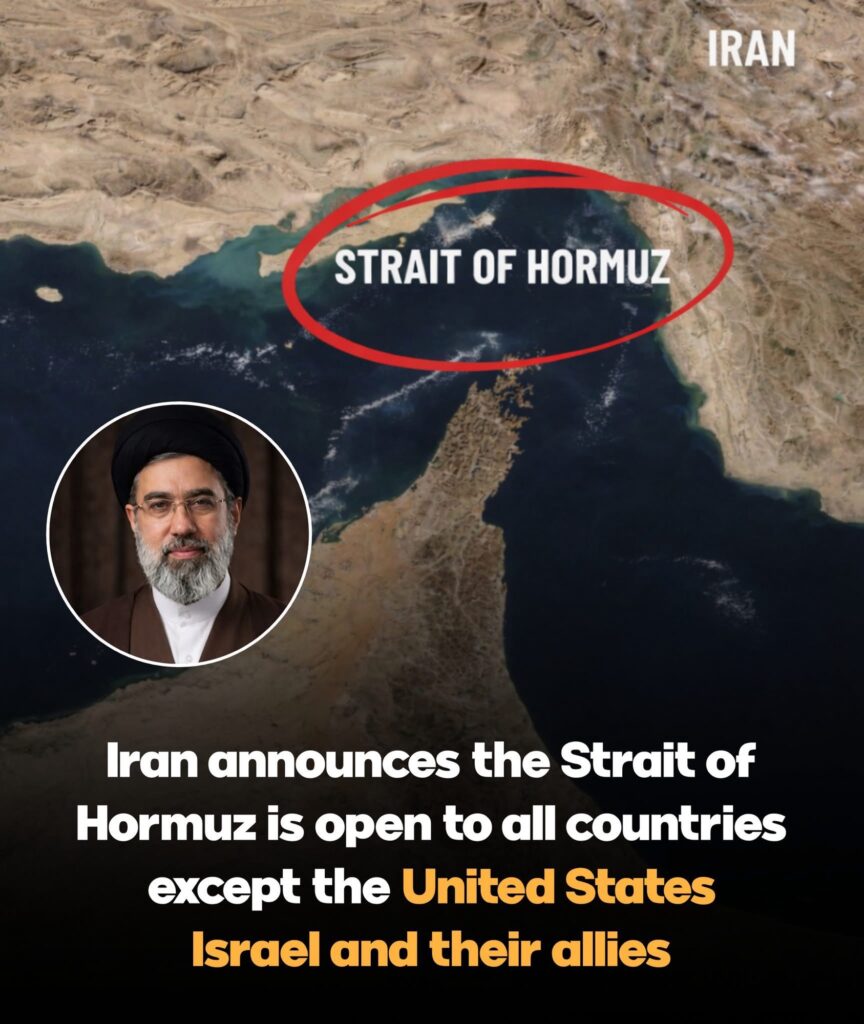
The reopening, however, is far from total and comes with a complex set of caveats. According to reports, the passage is now open to a large number of vessels but remains tightly restricted. Iran has reportedly specified that the waterway is open for “friendly countries” and those it deems to be its adversaries remain restricted. Crucially, vessels linked to the United States and Israel, as well as nations deemed to be supporting them, are still facing restrictions and are reportedly not permitted to transit the strait.
This “partial reopening” creates a complicated operational landscape for global shipping and raises concerns about potential future disruptions. Officials noted that the move is an effort to allow for a resumption of trade for nations considered non-adversarial while still enforcing a symbolic or strategic blockade against those perceived as hostile.
The Aftermath of the Shutdown
The two-week shutdown had significant cascading effects. We saw:
• Shipping Bottlenecks: A major backlog developed across the region as tankers were forced to anchor and wait, with major shipping companies pausing operations entirely in some cases.
• Energy Disruptions: Several Gulf nations were compelled to reduce oil production because they could not export through the primary artery. Natural gas shipments were also notably impacted.
• Market Voltality: Oil prices spiked dramatically, surging well past the $100-per-barrel mark, reflecting the deep uncertainty and supply concerns the shutdown created.
While official global trade was grinding to a halt, interesting reports surfaced suggesting that Iran’s own oil exports continued, albeit through quieter means. These reports point to the use of an older fleet of tankers operating outside of standard tracked routes to reach specific buyers during the official closure.
Looking Ahead: Continued Uncertainty in a Complex Region
While the partial reopening will undoubtedly ease some of the immediate pressure on global shipping, the situation remains deeply complex. The announcement brings some relief, but the path forward is still murky.
Key questions that remain unanswered include:
1. Enforcement: How, precisely, will Iran enforce these restrictions at sea? The criteria for determining “adversarial” status can be subjective, and the operational logistics of identifying and stopping specific vessels are complex and potentially escalatory.
2. Economic Impact: While prices surged, the exact long-term economic damage of the two-week shutdown has yet to be fully calculated. Markets will remain on edge as long as the route is only partially functional.
3. Escalation Risk: The targeted nature of the restrictions, specifically against the U.S. and Israel, keeps geopolitical tensions high and could potentially lead to further incidents or misunderstandings at sea.
For now, the global shipping industry and the international community are cautiously optimistic but remain on high alert. The partial reopening is a step away from a total crisis, but it’s a long way from a return to “business as usual” in one of the world’s most critical maritime passages. We will continue to monitor this situation as it develops and will provide updates as new information becomes available.