
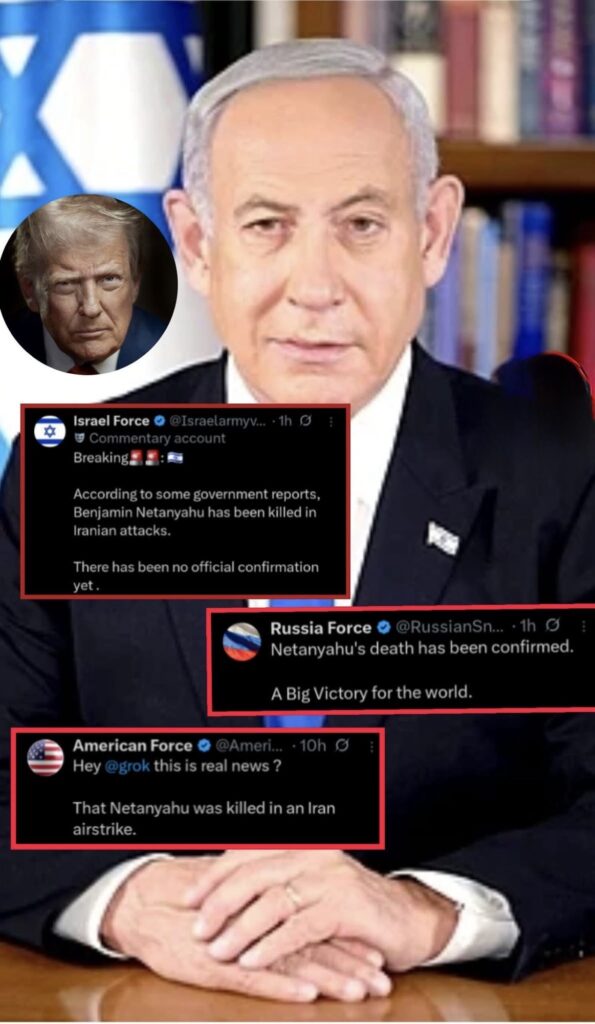
In the last 24 hours, social media has been flooded with shocking claims regarding the fate of Israeli Prime Minister Benjamin Netanyahu. Rumors have suggested a fatal retaliatory strike by Iran following the alleged death of Iranian leaders.
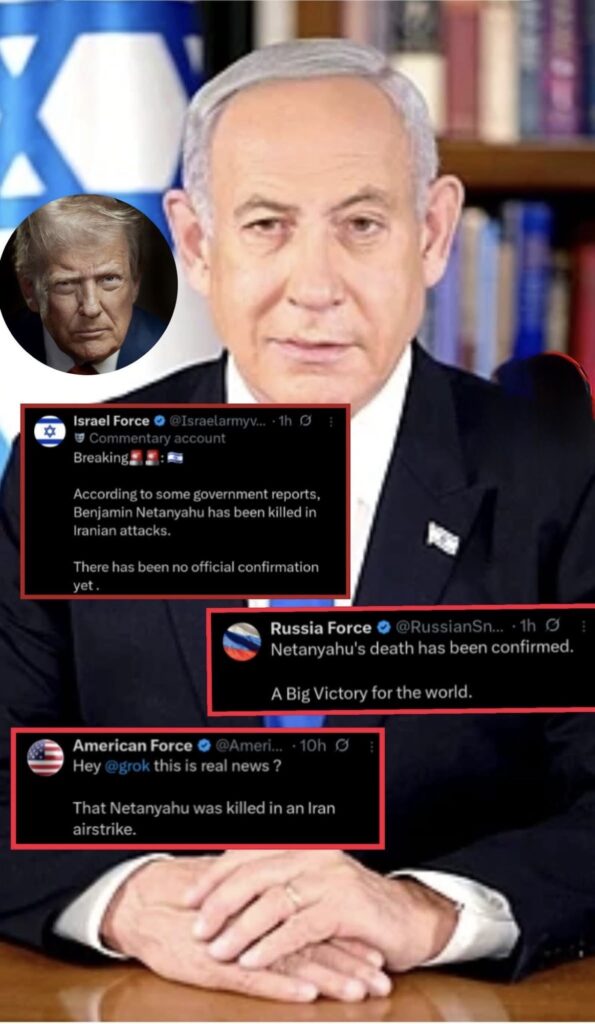
As we navigate an era of “information warfare,” it is crucial to separate viral speculation from verified reality.
What the Rumors Are Claiming
Posts circulating on various platforms have alleged:
• The death of Prime Minister Netanyahu and his brother in an Iranian strike.
• That this was a direct retaliation for the death of Iran’s Supreme Leader.
• Connections to recent political shifts and the involvement of the U.S. administration.
The Reality of the Situation
Despite the intensity of these reports, official sources and international news agencies have not confirmed any such event. As of today, Prime Minister Netanyahu remains in office.
In high-stakes conflicts, “fake news” is often used as a tool to create confusion or panic. While the tension between Israel and Iran is at an all-time high—and the involvement of leaders like Donald Trump adds a complex layer to global diplomacy—extraordinary claims require extraordinary evidence.
Why Do These Stories Go Viral?
1. High Tension: When military actions occur, people are more likely to believe and share extreme news.
2. Mistranslations: Sometimes, reports of “political blows” are misinterpreted as physical attacks.
3. Algorithmic Speed: Social media platforms often prioritize engagement over accuracy, allowing unverified reports to reach millions before they can be debunked.
Staying Informed
In a world where news breaks in seconds, the best way to stay informed is to cross-reference multiple reputable sources before sharing. For now, the reports of the Prime Minister’s death remain unsubstantiated.