

The room is never loud when Hannah Harper begins to sing.
There is always a small pause first, the kind that feels longer than it really is, as if the air itself is waiting. The lights fall softly across the stage, touching her face the way morning touches the sea — slowly, carefully. She closes her eyes before the first note, not like a performer preparing, but like someone remembering something she never wanted to forget.

Long before the stage lights, there was another kind of light — the pale grey glow of early mornings in Brixham. The harbor would wake before the town did, gulls circling above the boats while the smell of salt and diesel drifted through narrow streets. She was only a girl then, tying her apron at fourteen, hands still small, carrying plates of fish and chips that felt heavier than they should. The kitchen noise was loud, but she learned early how to stay quiet inside it.
Work became the rhythm of her days.
A tray in one hand, a notebook in the other, smiles given even when she was too tired to hold them. Waitress, barmaid, receptionist — different uniforms, same long hours, same tired feet at the end of the night. The hotel corridors smelled of polish and old carpet, and sometimes she would hum to herself while walking them, not for anyone else, just to hear a sound that felt like her own.
She married young, the kind of young where the future still feels like a promise instead of a plan.
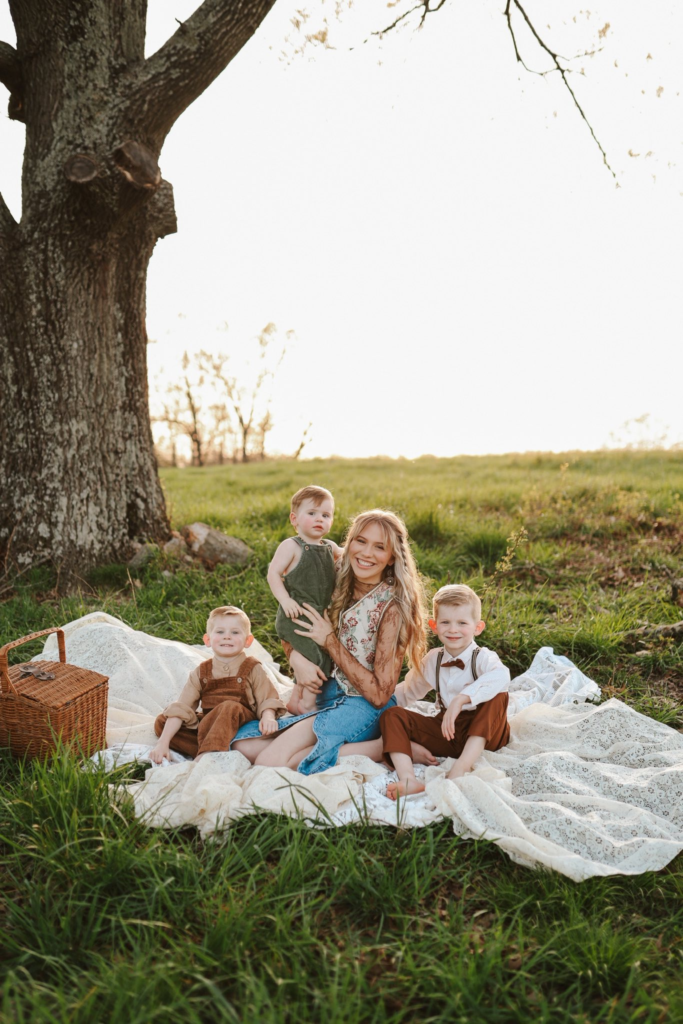
There were small rooms filled with laughter, toys on the floor, the warm noise of a family learning itself. Three children, one after another, each one bringing a new kind of responsibility, a new kind of love. Life felt fragile but full, like holding something precious in both hands and hoping nothing would slip.
Then one day the world did not break loudly.
It broke quietly.
A phone call. A pause too long before the words. A silence that stayed in the room even after the voice was gone. The accident took her husband in a moment, but the emptiness it left behind moved in slowly, filling every corner of the house until even the air felt heavier to breathe.
Nights became the hardest.
Three children asleep in the next room, their breathing soft and steady, while she sat alone at the table long after midnight. The clock ticked louder than it should. Sometimes she would hold a cup of tea that had already gone cold, staring at nothing, as if waiting for the life she knew to walk back through the door. It never did.
There were days when getting up felt like lifting something far too heavy.
Depression did not arrive like a storm. It came like fog, quiet and thick, settling over everything until even simple things felt distant. But the children still needed breakfast, still needed shoes tied, still needed their mother to stand even when she felt like she couldn’t.
Somewhere in those quiet years, the songs began.
Not written at first — just hummed under her breath while washing dishes, or whispered while folding laundry late at night. The melodies carried pieces of things she could not say out loud. Grief, love, fear, hope — all of it finding its way into sound before it ever found words.
The first time people really listened, the room felt the same as it always had to her — small, still, almost fragile.
But when she sang, something changed. Faces in the crowd grew quiet, eyes fixed, as if each note was touching a place they didn’t expect anyone to understand. Her voice did not sound like performance. It sounded like memory. Like loss. Like surviving something you never thought you could survive.
Now the world knows her name, but the songs still carry the harbor, the kitchen noise, the empty chair at the table.
You can hear it in the way she holds a note just a little longer than expected, like she’s holding on to something that once slipped away. And when the last sound fades, the silence that follows feels different — softer, heavier, full of things no one needs to explain.
Because the truth is, Hannah Harper never sings to be heard.
She sings the way someone breathes after crying — slowly, carefully, grateful that the heart kept going.