
Every so often, entertainment culture is hijacked by one thing people cannot stop talking about: chemistry. Not the scripted kind audiences expect, and not the polished version designed by marketing teams. The kind that feels spontaneous, dangerous, and impossible to fully explain. It is the spark that makes viewers pause, replay scenes, and wonder whether they are watching performance or something more personal unfolding in plain sight.
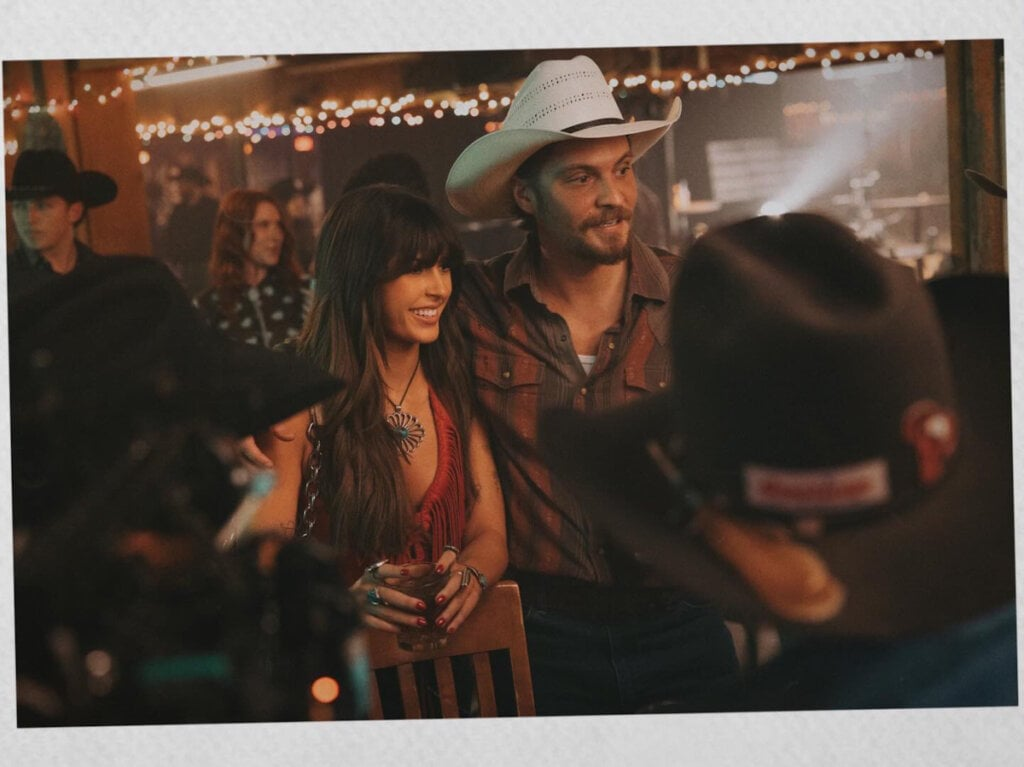
That is exactly the conversation surrounding Ella Langley and Luke Grimes after the viral “Choosin’ Texas” video sent the internet into overdrive.
Some collaborations trend because they are catchy. Others because they are controversial. A rare few explode because they create tension viewers can feel through a screen. That tension becomes irresistible because it invites interpretation. Fans stop consuming content and start building narratives around it. They search for glances, pauses, body language, and moments that appear too natural to be staged.
The reaction to this video has followed that exact pattern.
Viewers describe the interaction between Langley and Grimes as electric, magnetic, and startlingly believable. Whether standing side by side, trading lines, or sharing brief moments of eye contact, audiences saw something that seemed larger than a promotional concept. The camera captured more than two people hitting marks. It captured energy—and energy is what audiences trust most.
This is why speculation escalated so quickly. Once fans believe chemistry is genuine, they begin imagining where it belongs next. Many are already campaigning for Langley to enter the world of Marshals and step into Grimes’ orbit in a larger capacity. The logic is simple: if two people can generate this much interest in a short-form viral moment, what could they do with an entire series or film built around that connection?
Entertainment history is filled with pairings that became bigger than their original project. Sometimes it begins with one scene, one interview, one performance where the dynamic feels undeniable. Studios often spend millions trying to manufacture what audiences recognized instantly for free. Real chemistry cannot be forced. It either exists or it does not. Fans believe they saw it here.
That belief has opened the door to even bigger conversations, including murmurs of an Urban Cowboy revival. The idea may sound speculative, but it reveals something important: people are not merely reacting to a video. They are reacting to archetypes. Langley and Grimes together evoke a classic blend of modern grit and old-school star power—the kind of pairing audiences associate with timeless country romance, cinematic tension, and characters who feel lived-in before they speak.
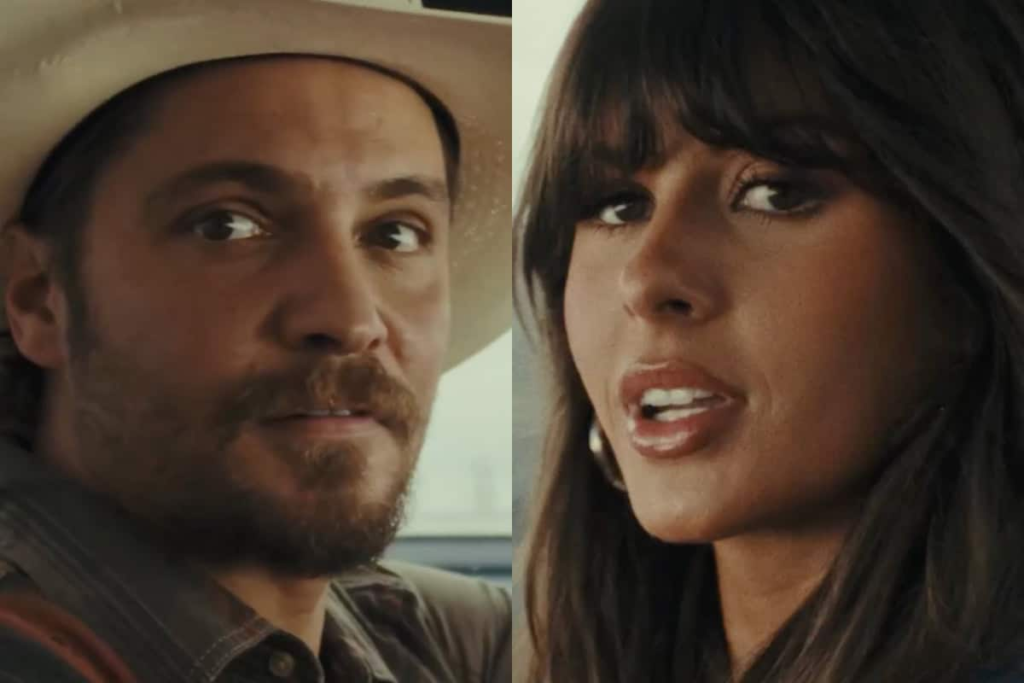
Then there is the added layer of outside names entering the conversation, including Riley Green. In the age of online fandom, every successful pairing generates side narratives. Fans map existing friendships, past collaborations, rumored dynamics, and imagined rivalries into the story whether or not those tensions exist. The result is an ecosystem where one viral moment expands into multiple interconnected dramas overnight.
That does not mean every rumor carries weight. Most do not. But rumors are rarely about facts alone—they are about emotional investment. When audiences care enough, they begin writing possibilities faster than reality can answer them. That is what makes moments like this culturally powerful. They invite participation. Viewers are no longer passive watchers; they become co-authors of the fantasy.
What makes Langley especially compelling in this conversation is her identity as an artist. She brings authenticity, edge, and a grounded charisma that feels resistant to overproduction. She does not come across as someone trying to fit a Hollywood mold. That makes her intriguing in spaces outside music, because audiences are hungry for personalities who feel real rather than engineered.
Grimes, meanwhile, carries a different but complementary presence. He has the weathered calm, understated confidence, and screen credibility that allows intensity to register without overstatement. Together, those energies contrast in a way viewers often find addictive: fire and restraint, unpredictability and steadiness, movement and stillness. Great pairings often thrive on difference rather than sameness.
There is also a broader cultural reason this resonates now. Audiences are increasingly skeptical of celebrity packaging. They can sense when moments are overly choreographed or emotionally hollow. But when two people appear to generate genuine intrigue on camera, it cuts through cynicism. People want to believe something authentic still slips past the machinery.
Whether this becomes a real creative partnership, a casting opportunity, or simply one unforgettable viral moment remains to be seen. Not every spark turns into a fire. Some are powerful precisely because they are brief. They leave audiences imagining possibilities that no official project could ever fully satisfy.
Still, entertainment industries pay close attention when the public reacts this strongly. Executives notice replay numbers, fan edits, comment volume, and organic demand. They understand that audience obsession is one of the few resources that cannot be bought outright. If enough people keep asking for Langley and Grimes in a larger project, eventually someone will try to make it happen.
So is this just viral hype, or the beginning of Hollywood’s next power pairing? It may be both. Viral hype is often dismissed as temporary noise, yet many enduring partnerships begin the same way—with audiences recognizing something before gatekeepers do.
For now, one thing is certain: people are not responding only to a video. They are responding to the possibility it created. And in entertainment, possibility is often the first sign that something bigger has already begun.