
There is something audiences instantly recognize when a contestant feels authentic. It cannot be manufactured with stage lights, expensive styling, or dramatic camera angles. It comes from the way someone holds a guitar, sings from lived experience, and steps onto a stage without pretending to be anything else. That is exactly why so many viewers connected with Hannah Harper on American Idol. She felt real. She felt grounded. She felt like the kind of artist who could walk onto a porch, into a small-town fair, or onto a national stage and still remain the same person.
Now, many fans believe that version of Hannah is slipping away.
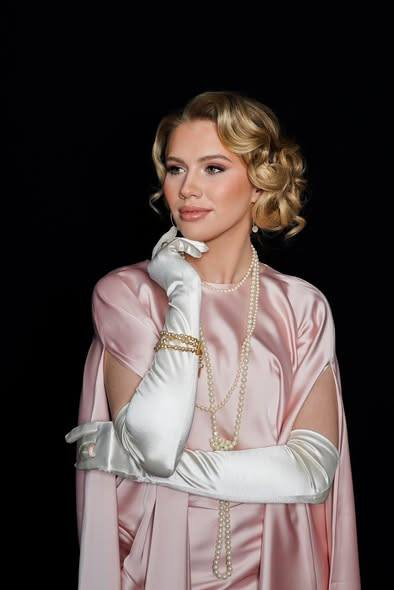
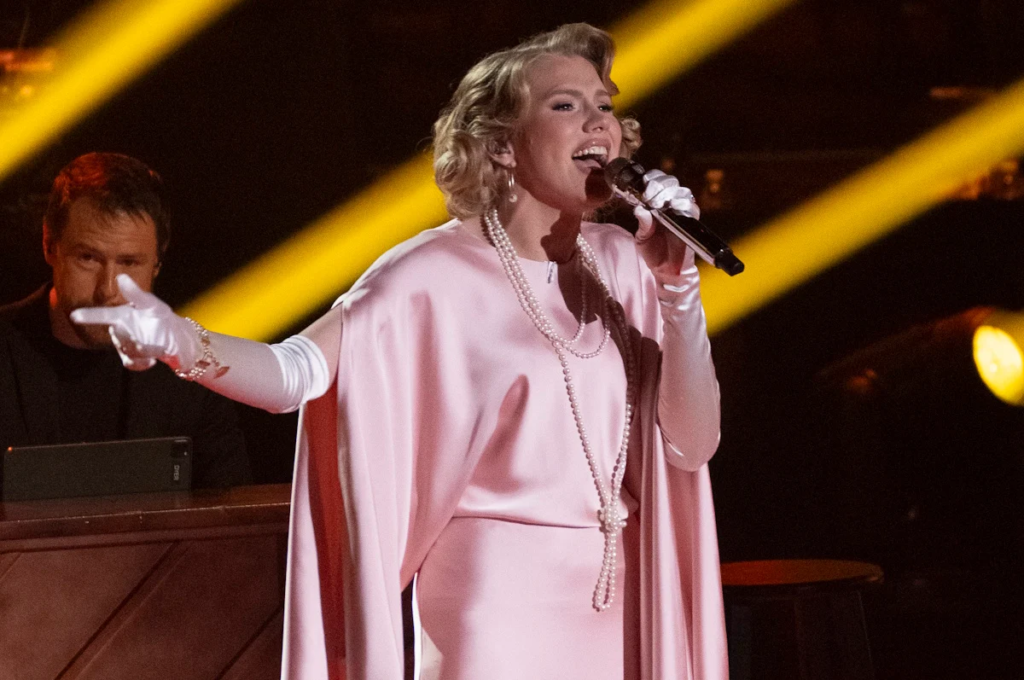
Recent episodes have triggered a wave of criticism after the show presented Hannah in a dramatically different light. Gone was the familiar guitar that had become part of her identity. In its place came a polished performance package: a pink dress, choreographed movement, theatrical presentation, and a style some viewers say felt more Broadway than country. For fans who had championed her original charm, the transformation felt abrupt and deeply unsettling.
The strongest reaction did not come from the wardrobe choice alone. Reality competition shows have always experimented with image changes. What truly struck viewers was Hannah’s own comment that she felt “lost” without her instrument. That single word landed heavily with audiences. Lost. It suggested discomfort, uncertainty, and a performer trying to navigate an identity that no longer felt like her own.
Fans quickly took to social media to voice frustration. Many argued that Hannah’s guitar was never just a prop. It was part of her emotional center on stage. Some artists use instruments as armor, others as extension, and many as both. For Hannah, the guitar seemed to provide rhythm, confidence, and connection. Removing it may have changed more than the visual presentation—it may have changed how secure she felt while performing.
There is also a larger issue beneath the controversy: the tension between authenticity and television production. Shows like American Idol are not only talent competitions; they are entertainment products. Producers are constantly searching for compelling storylines, surprise moments, reinventions, and dramatic arcs that keep audiences engaged week after week. A contestant staying exactly the same can be framed as stagnant. A contestant changing drastically can be framed as growth. But growth and forced transformation are not the same thing.
Many viewers believe Hannah did not need fixing in the first place.
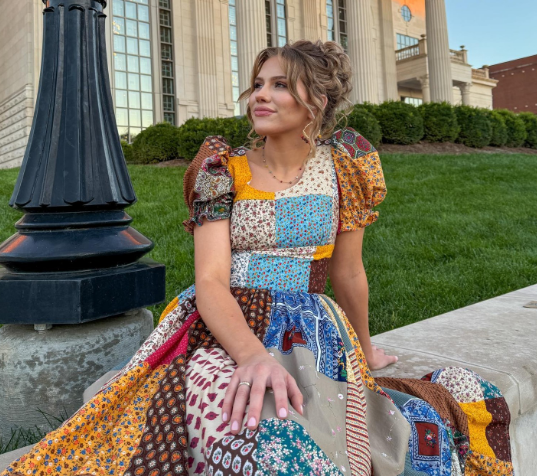
She arrived with a lane, a voice, and a brand that already resonated. In a music industry where originality is often rare, Hannah’s country presence stood out because it felt natural rather than calculated. She was not trying to become the next anyone. She was becoming herself. That is often the most powerful kind of artist to watch, because audiences feel they are witnessing something honest in real time.
When a show begins reshaping someone too aggressively, it risks breaking the bond between artist and audience. Fans do not just vote for talent—they vote for identity, story, and sincerity. If they sense a contestant is being molded into something artificial, support can cool quickly. Viewers are remarkably perceptive. They know when confidence is genuine and when discomfort is hiding behind a smile.
At the same time, some would argue reinvention is part of the journey. Great performers evolve. They experiment with genre, fashion, movement, and stagecraft. Many stars only discovered their full range after being pushed outside their comfort zones. It is possible that this makeover was intended to reveal new dimensions of Hannah rather than erase the old ones. Growth often feels awkward before it feels natural.
But timing matters. Method matters. Most importantly, consent matters.
Audiences can accept change when it appears artist-led. They resist it when it feels producer-led. That may be the heart of the backlash. If Hannah had confidently declared she wanted to ditch the guitar, explore glam styling, and challenge expectations, fans might celebrate her boldness. Instead, many saw hesitation in her expression and heard uncertainty in her words. That changes the entire emotional narrative.
The sadness some viewers noticed in her eyes became symbolic. Whether accurate or not, it represented the fear that the show was prioritizing spectacle over substance. It raised a painful question many talent shows have faced for years: Are contestants being elevated into stars, or edited into characters?
Hannah Harper’s future may depend on how she responds next. If she returns to the stage with renewed confidence—whether holding a guitar or not—she can reclaim the narrative. If she blends growth with authenticity, she may become stronger than ever. But if audiences continue to feel she is being pulled away from her core identity, the backlash could intensify.
In the end, fans are not angry because Hannah wore a pink dress. They are angry because they fear they are losing the artist they believed in. People do not rally this passionately around someone they do not care about. Their outrage is, in its own way, a form of loyalty.
And perhaps that is the real lesson for American Idol: viewers will embrace polish, performance, and reinvention—but only when the soul of the artist remains untouched.