
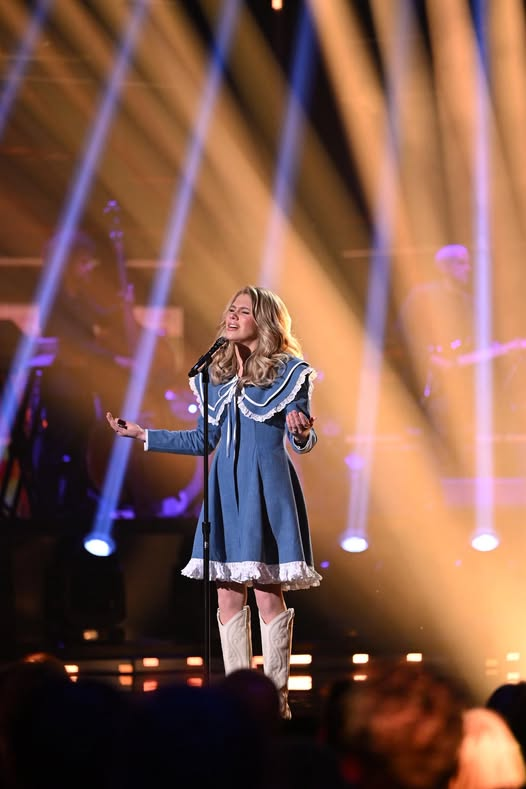
There are performances that entertain… and then there are performances that quietly redraw the entire map of a competition. When Hannah Harper stepped onto the stage of American Idol to deliver “Heads Carolina, Tails California,” something shifted before the first note had even settled into the room.
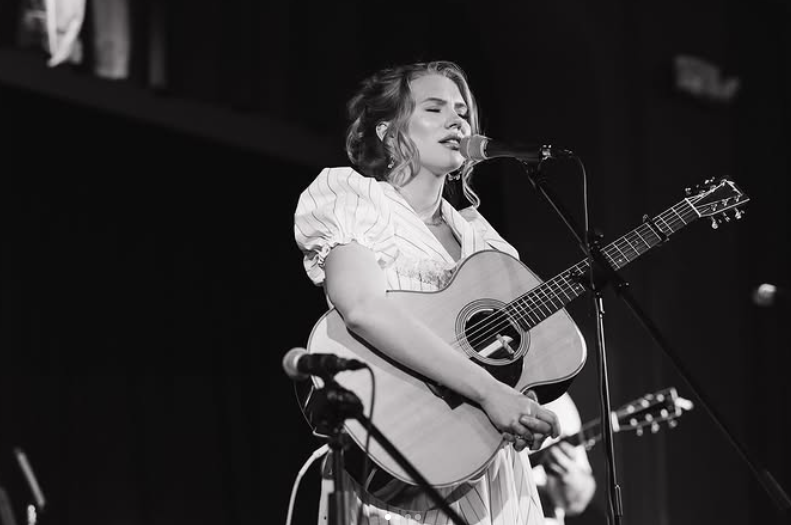
It wasn’t louder. It wasn’t flashier. It was something far more dangerous in a competition like this—certainty.
From the very first line, Harper didn’t sound like someone hoping to impress. She sounded like someone who already knew who she was. There was no reaching, no hesitation, no moment where the performance felt like it might slip away. Every word landed with intention, every note carried weight, and suddenly, the song wasn’t just being sung—it was being claimed.
And that’s where everything changed.
Because this wasn’t the same Hannah audiences met earlier in the season. That version was raw, emotional, undeniably real—but still searching. This version had found something. A center. A quiet control that doesn’t beg for attention but commands it anyway.
You could see it in the way she stood.
You could hear it in the way she held back just enough to make every release feel earned.
And you could feel it in the room.
There’s a moment in every season where the energy shifts—not gradually, but all at once. A collective realization that someone has stepped beyond the competition and into something else entirely. For many watching, this felt like that moment.
The judges didn’t need to say much.
Sometimes, silence says more than standing ovations ever could. The kind of silence that follows when a performance doesn’t just meet expectations—it disrupts them. The kind that lingers just long enough to make everyone aware that what they witnessed wasn’t routine.
It was rare.
And rare moments create dangerous conversations.
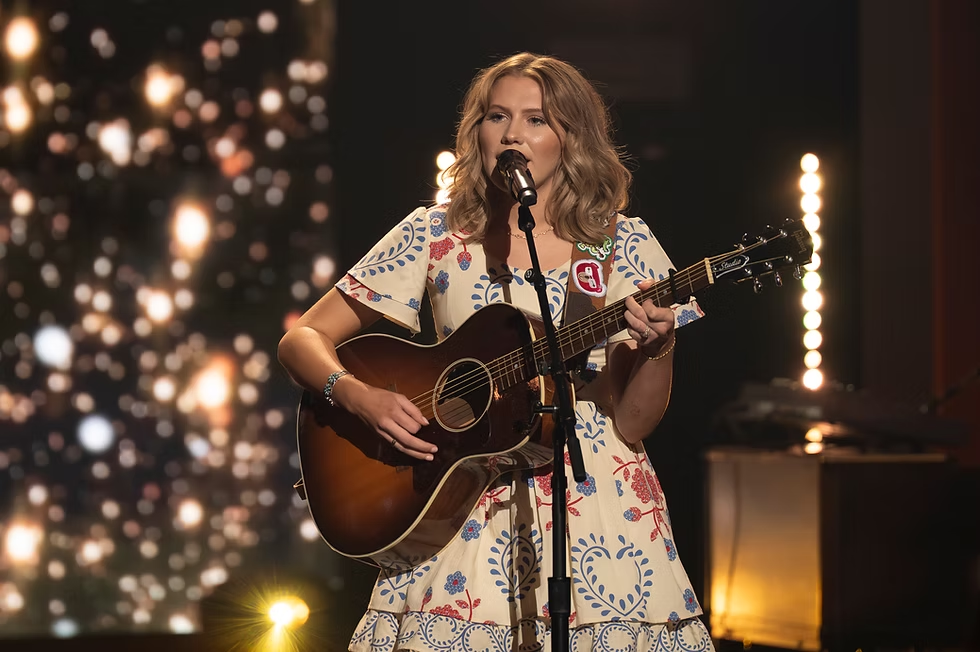
Because once an audience starts asking, “Did we just watch the winner?”—the entire dynamic of the competition begins to change. It’s no longer about potential. It’s about inevitability. And inevitability is something every other contestant can feel, even if it’s never spoken out loud.
But here’s what makes this moment even more compelling.
Hannah Harper didn’t achieve it by abandoning who she is.
She didn’t trade authenticity for perfection. She didn’t overproduce the performance or chase a bigger sound just to match the scale of the stage. Instead, she leaned deeper into her roots—into that grounded, storytelling instinct that has always defined her—and elevated it.
That’s a rare balance.
Because many artists evolve by adding layers.
Harper evolved by refining them.
What we witnessed wasn’t reinvention. It was alignment. A moment where voice, presence, and identity finally met at the exact same point. And when that happens on a stage like this, it doesn’t feel like growth—it feels like arrival.
Still, competitions aren’t decided in a single night.
Momentum can shift. Narratives can change. New performances can rise and challenge what once felt certain. That’s the nature of a show built on unpredictability.
But moments like this don’t disappear.
They stay.
They become reference points. The performance everyone compares against, whether they realize it or not. The invisible standard that quietly raises the bar for everyone else still standing.
And perhaps that’s the most telling sign of all.
Because winners aren’t just remembered for advancing.
They’re remembered for changing the conversation.
So the question remains—did we just watch the winner?
Maybe.
Or maybe we watched something even more powerful.
The exact moment a contestant stopped competing… and started becoming inevitable.