
There are songs that play… and there are songs that stay.
On a quiet day in 1971, John Denver released a track that didn’t chase grandeur or spectacle. It didn’t arrive with noise or demand attention. Instead, it arrived softly—like a memory you didn’t know you were holding onto. “Take Me Home, Country Roads,” from his album Poems, Prayers and Promises, carried something rare: a sense of belonging wrapped in melody.
At first listen, it felt simple.
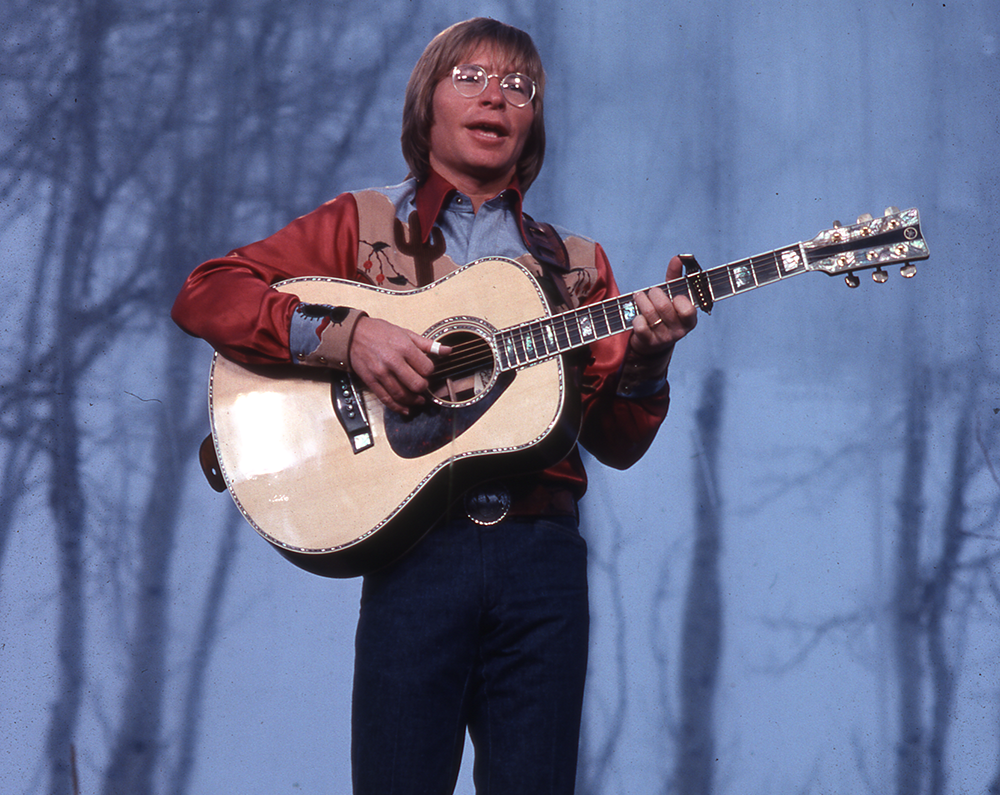
A gentle guitar. A warm, unguarded voice. Lyrics that didn’t try to impress, only to feel true. But that simplicity was deceptive. Because beneath those soft notes was something far deeper—an emotional thread that connected strangers across places they had never been.
West Virginia became more than a location.
It became a feeling.
The kind of feeling that doesn’t need geography to exist. Listeners from cities, villages, and distant countries found themselves singing along to a road they had never traveled, missing a place they had never seen. That is the quiet power of authenticity—it doesn’t explain itself; it resonates.
And resonate it did.
The song climbed to number two on the Billboard Hot 100, but its true success couldn’t be measured in charts. It became a cultural anchor, a piece of music that people carried with them through years, through changes, through life itself. It didn’t fade when trends shifted. It settled in.
Because it wasn’t built for a moment.
It was built for memory.
For John Denver, this wasn’t just another release. It was a turning point that reshaped how the world saw him—not as just a performer, but as a voice people trusted. A voice that didn’t perform emotions, but lived inside them. His music began to feel like a companion—steady, comforting, and quietly present.
He didn’t sing about escape.
He sang about return.
And that distinction changed everything.
There’s something profoundly human about the longing embedded in “Take Me Home, Country Roads.” It isn’t dramatic or overwhelming. It’s soft, almost unspoken. The kind of longing that surfaces when the noise of life quiets down—when you find yourself thinking about where you came from, or where you wish you could go back to.
That’s why the song never aged.
It didn’t belong to 1971.
It belonged to anyone who has ever missed something they can’t fully explain.
Over the decades, it has been sung in stadiums, whispered in quiet rooms, played on long drives, and passed down between generations. Each time, it carries the same weight—but feels slightly different, shaped by the listener’s own story.
That’s not just music.
That’s inheritance.
And perhaps the most remarkable part of it all is how effortlessly it achieves this. There are no complex arrangements, no overwhelming instrumentation. Just honesty. Just clarity. Just a voice that sounds like it understands you—even if it’s the first time you’re hearing it.
In a world that often rewards louder, faster, bigger expressions, “Take Me Home, Country Roads” stands as a reminder of something else entirely.
That sometimes, the quietest songs travel the farthest.
And even now, decades later, those opening lines still arrive the same way they always have—gentle, familiar, and grounding. Like stepping onto a road you somehow already know. Like remembering something you never meant to forget.
Not just a song.
But a place.
A feeling.
A way back home.