
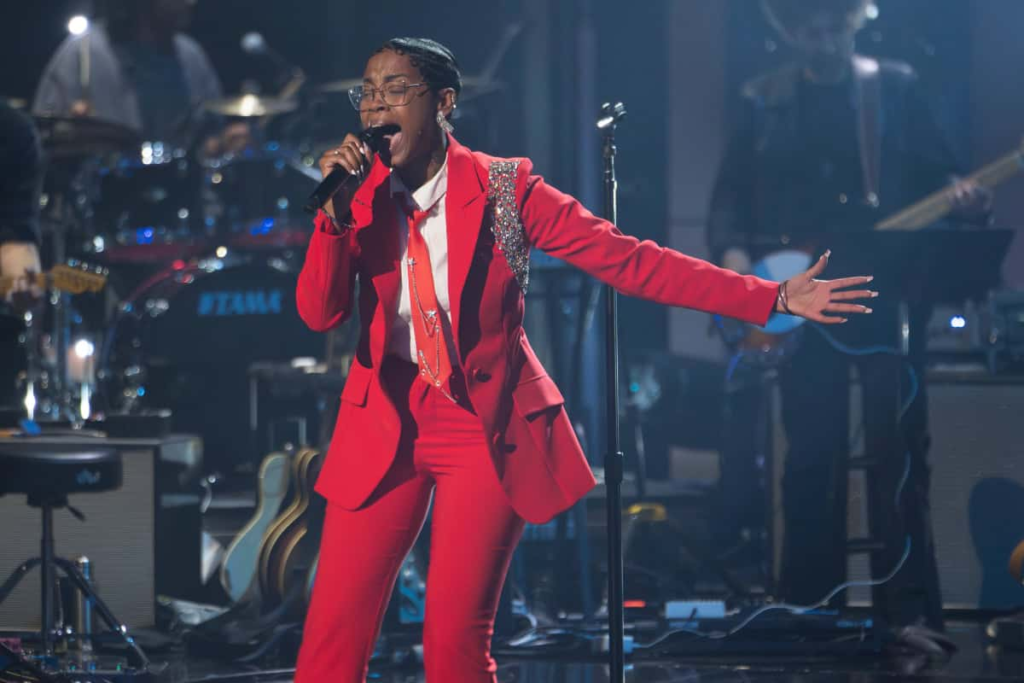
There are performances that fade into consensus, gently accepted and quietly forgotten. And then there are performances that fracture a room—splitting it into belief and resistance, admiration and discomfort. Keyla Richardson delivered the latter on American Idol, and suddenly, the conversation was no longer about who sang best—it was about what a performance is supposed to feel like.
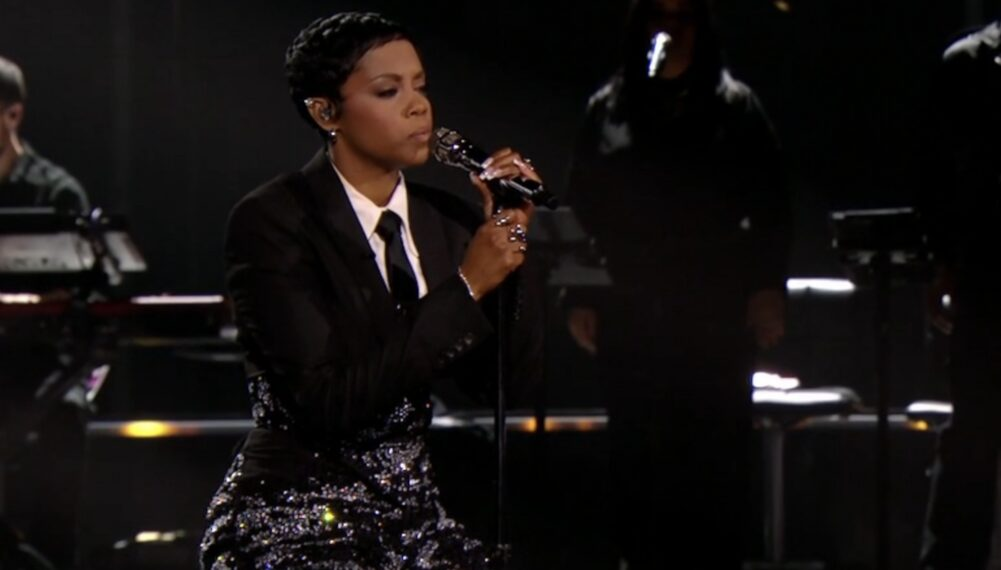
Because when she chose Zombie, she didn’t just choose a song. She chose a legacy.
Originally carried by the haunting restraint of Dolores O’Riordan, “Zombie” is a song built on tension—on the quiet pull between anger and sorrow. It doesn’t ask to be sung loudly. It asks to be understood. And that’s where Keyla made her most defining decision of the night.
She didn’t hold back.
From the opening lines, her voice didn’t tiptoe into the song—it surged. There was an urgency, a kind of emotional force that felt almost confrontational. It was as if she wasn’t just singing the lyrics, but wrestling with them, pushing them forward with a weight that refused to sit quietly.
And for some, that was electrifying.
It felt like a reinvention. A refusal to replicate what had already been done. In a competition where originality is currency, Keyla’s interpretation stood out immediately. She didn’t echo the past—she challenged it. She transformed the song from a slow-burning lament into something more explosive, more immediate, more impossible to ignore.
But for others, that same choice felt like too much.
Because “Zombie,” at its core, carries a delicate balance. Its power often lies in what is withheld, not what is unleashed. And when that balance shifts too far, the song can lose the quiet ache that made it unforgettable in the first place. For these listeners, Keyla’s intensity didn’t deepen the emotion—it drowned it.

And just like that, the divide was born.
What makes this moment so compelling isn’t just the performance itself—it’s the reaction to it. Because rarely does a single performance create such sharply opposing interpretations. It’s not a matter of small disagreements or minor critiques. It’s a full split. Two completely different emotional experiences from the same three minutes of music.
That doesn’t happen by accident.
It happens when an artist takes control.
Keyla didn’t deliver a performance designed to be universally liked. She delivered one that demanded a response. And in doing so, she stepped into one of the most difficult spaces in any competition—the space where artistry risks approval.
Because safe performances are easy to judge.
They are measured, polished, and predictable in their reception. They earn nods, applause, and quiet agreement. But bold performances—ones that push, stretch, and sometimes even unsettle—those are harder. They don’t ask, “Did you like it?” They ask, “Did you feel something?”
And with Keyla, the answer is undeniably yes.
Even those who questioned her approach are still talking about it. Still replaying moments in their minds, trying to understand what didn’t sit right. And that, in itself, is a kind of impact. Because indifference is the one thing no contestant can afford—and Keyla is nowhere near it.
There’s also something to be said about timing.
At this stage of the competition, blending in is more dangerous than standing out. Contestants are no longer just proving they can sing—they’re proving they can be remembered. And memory, more often than not, is tied to moments that disrupt expectation.
Keyla created that disruption.
She turned a familiar song into an unfamiliar experience. She forced the audience to reconsider what they thought they knew, even if it meant risking their approval in the process. That kind of courage doesn’t always guarantee immediate reward, but it builds something deeper—a presence that lingers beyond the performance.

And perhaps that’s the real question this moment leaves behind.
Not whether it was the best performance.
Not whether it was the worst.
But whether it was necessary.
Because sometimes, the performances that divide us the most are the ones that move the conversation forward. They challenge comfort. They redefine boundaries. They remind us that music is not just about harmony—it’s about perspective.
And Keyla Richardson, whether you agreed with her or not, didn’t just sing “Zombie.”
She made you choose how to hear it.