
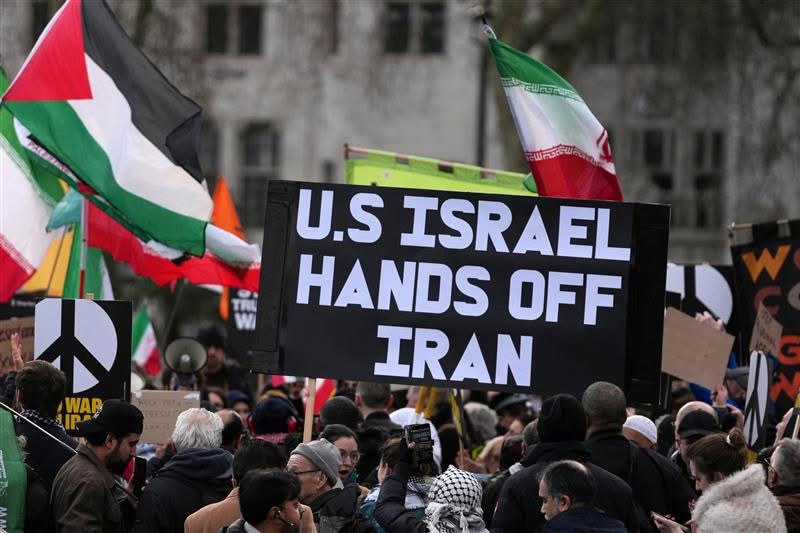
A tense atmosphere blanketed major cities around the world following a joint military strike by the United States and Israel against Iran. Protests, both pro and anti-operation, flared up across continents, reflecting deep-seated divisions and anxieties about the potential for widespread regional conflict.
The Associated Press (AP) documented these passionate demonstrations, capturing a snapshot of the global response to this significant escalation in tension.
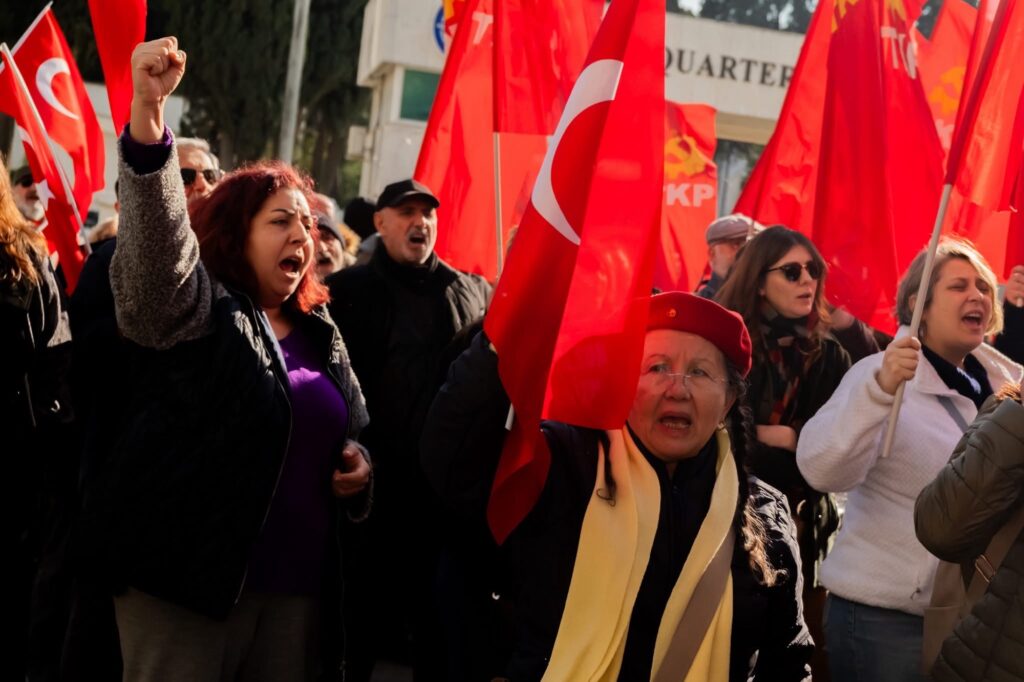
Turkey: Sympathy and Support
In Turkey, thousands took to the streets in show of solidarity with Iran. Demonstrators carried flags, banners, and portraits of Iranian leaders, condemning the “imperialist aggression” of the United States and Israel. Many expressed concerns about the potential for further instability in the Middle East and the humanitarian impact of the military action. The large turnout in major Turkish cities underscored the historical ties and shared concerns between Turkey and its neighbor, Iran.
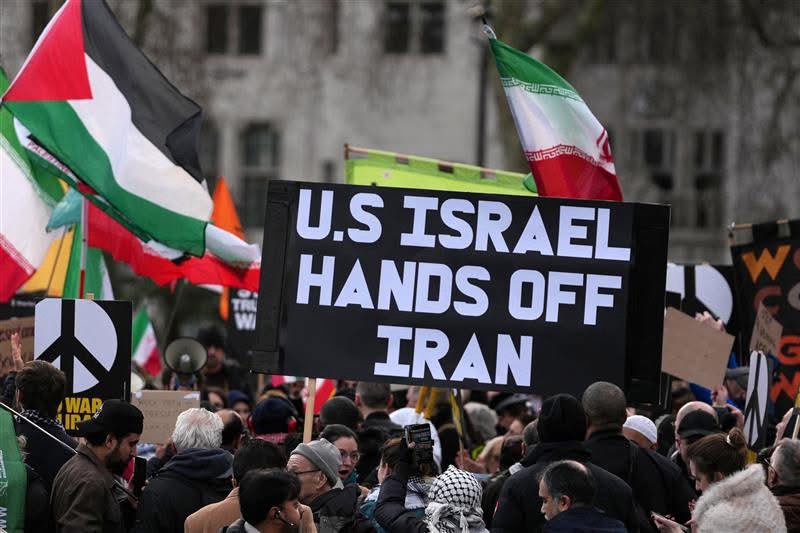
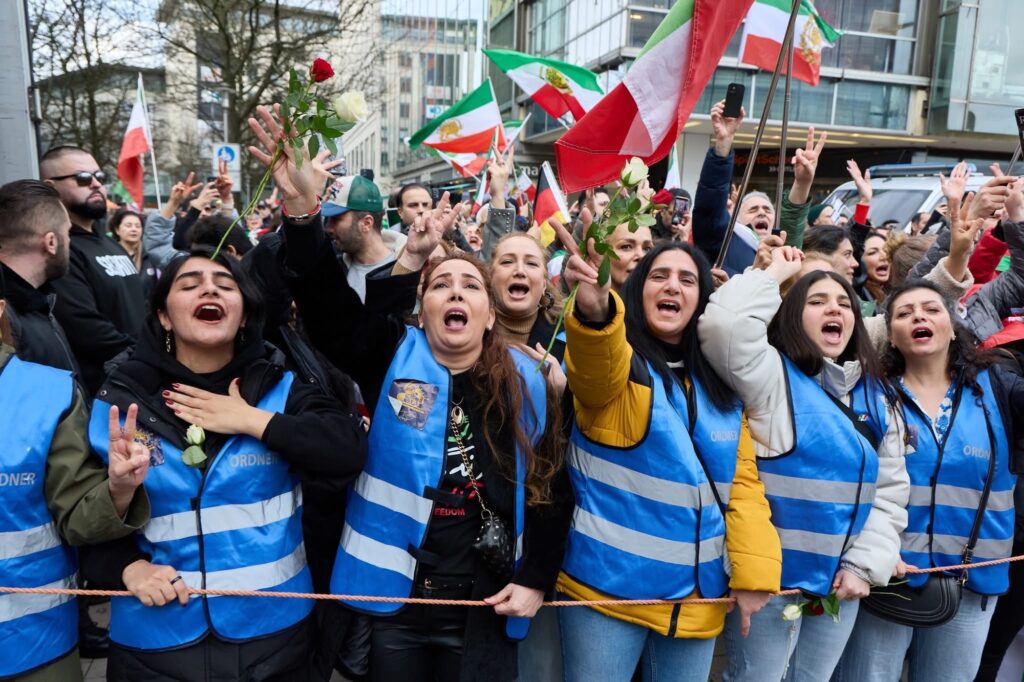
Germany: Anti-War Sentiment
Across Germany, anti-war protests drew significant crowds. Demanding an immediate cessation of hostilities, protesters emphasized the potential for catastrophic consequences if the situation spirals out of control. Many expressed strong reservations about military intervention and called for diplomatic solutions to resolve regional conflicts. Banners with messages like “No War on Iran” and “Peace Now” highlighted the prevailing anti-war sentiment in German society.
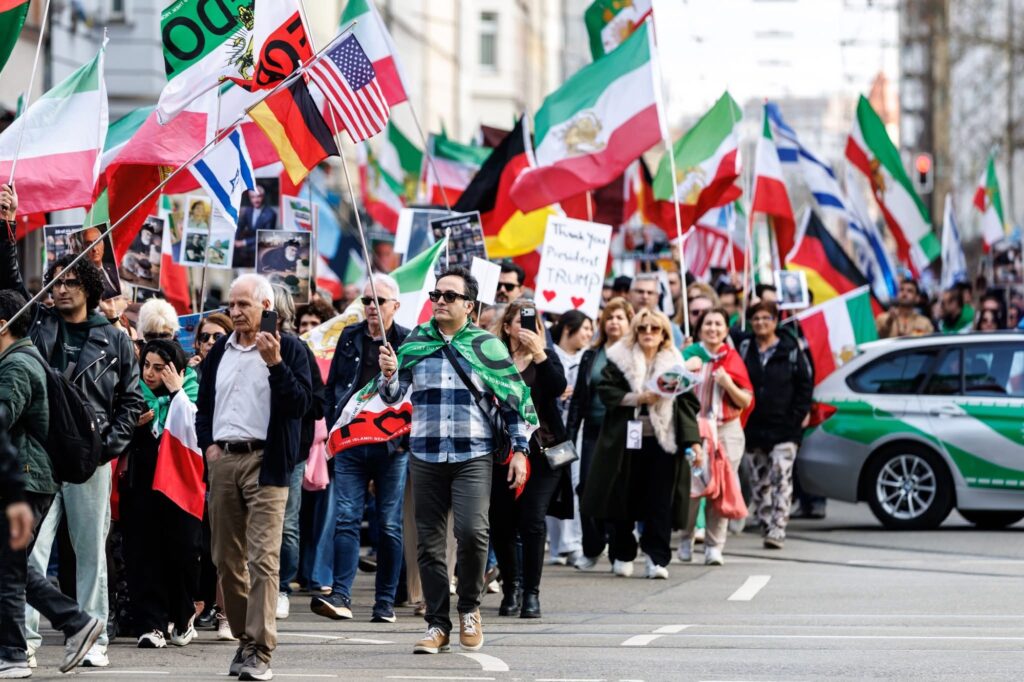
Britain: Divided Views
Britain, like many other nations, saw a mix of responses. While anti-war demonstrations were prominent in major cities like London, where protesters marched towards government buildings calling for de-escalation, there were also instances of counter-protests supporting the US-Israeli operation. Some argued that the strike was a necessary step to counter Iran’s destabilizing activities in the region, while others emphasized the importance of upholding international law and avoiding further conflict.
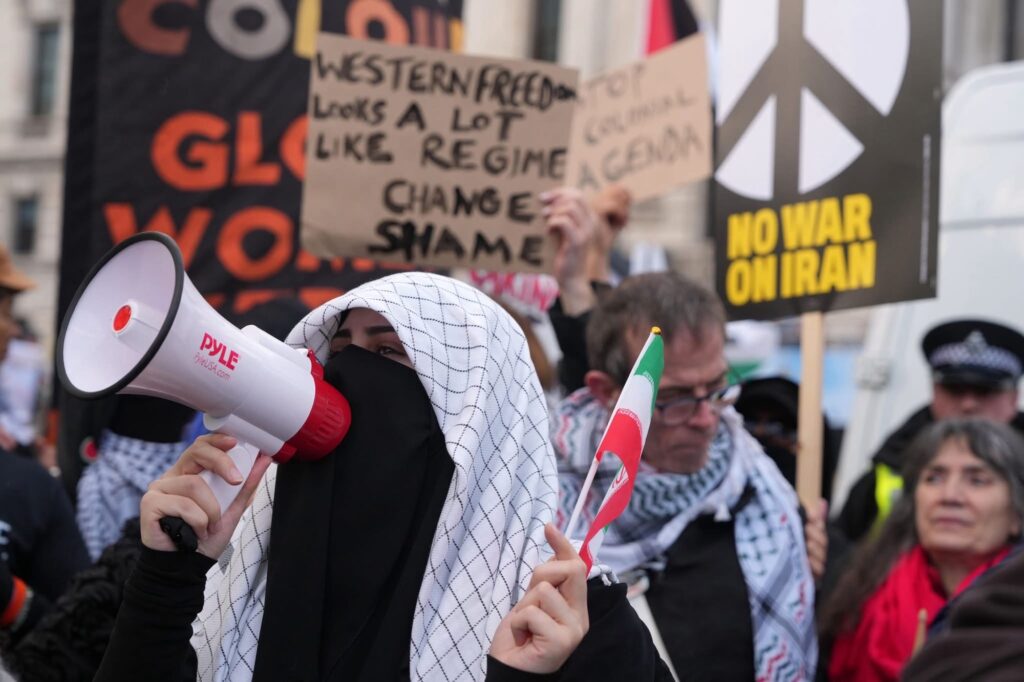
Armenia: Anxiety and Condemnation
In Armenia, the mood was one of deep anxiety and condemnation. Demonstrators expressed fears about the potential for regional instability and the potential impact on Armenia’s delicate geopolitical position. Many condemned the “aggression” and called for international mediation to de-escalate tensions. The close proximity to Iran and historical ties with the country fueled concerns about the potential consequences of the military action.
Israel: National Unity and Debate
Inside Israel, the mood was complex and varied. While many Israelis expressed support for the government’s action, viewing it as a necessary measure to protect national security, there was also a level of internal debate and anxiety about the potential repercussions. Protests were observed, reflecting both national unity and diverse perspectives within Israeli society regarding the optimal approach to dealing with the Iranian threat.
A World on Edge
The widespread protests underscored the deep anxiety and uncertainty permeating the international community following the US-Israeli strike on Iran. The diverse responses reflect deep-seated political, ideological, and geopolitical divisions that continue to shape global responses to conflicts in the Middle East. The AP’s documentation of these protests offers a valuable snapshot of a world grappling with the potential consequences of military action and the urgent need for diplomatic solutions to avoid further instability.