
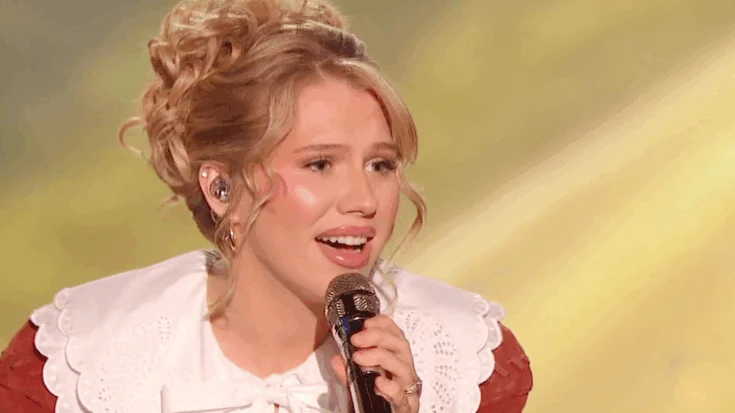
There’s a quiet shift happening in 2026—and it doesn’t arrive with noise, but with something far more powerful: restraint. In a landscape once dominated by viral spikes, dramatic high notes, and engineered “moments,” a different kind of performance is beginning to win. Not louder. Not flashier. Just… truer.
Audiences are no longer reacting the way they used to. The instant dopamine of a viral clip—once enough to secure votes—is now fading faster than it builds. What replaces it isn’t spectacle, but memory. And memory doesn’t come from chaos. It comes from connection.
Understated performances operate differently. They don’t demand attention; they invite it. There’s a subtle confidence in a singer who doesn’t oversell a note, who allows silence to breathe between phrases, who trusts the weight of the lyric instead of overpowering it. That trust is being returned by audiences in a way the industry didn’t fully anticipate.
Because when viewers vote in 2026, they’re not just rewarding what impressed them in the moment—they’re responding to what stayed with them hours later. And surprisingly, it’s often the quieter performances that linger the longest.
The psychology behind this shift is layered. Viral moments trigger excitement, but understated performances create intimacy. One is shared; the other is felt. And in a voting system where individuals cast decisions in private, intimacy often outweighs spectacle.
There’s also an element of fatigue at play. Audiences have been trained for years to expect escalation—bigger runs, higher notes, louder reactions. But when everything tries to be a peak moment, nothing truly stands out. The understated performance breaks that cycle. It resets the ear.
In many ways, it feels almost rebellious. Choosing softness in a culture that rewards excess is a risk. But in 2026, that risk is translating into loyalty. And loyalty, unlike virality, compounds over time.
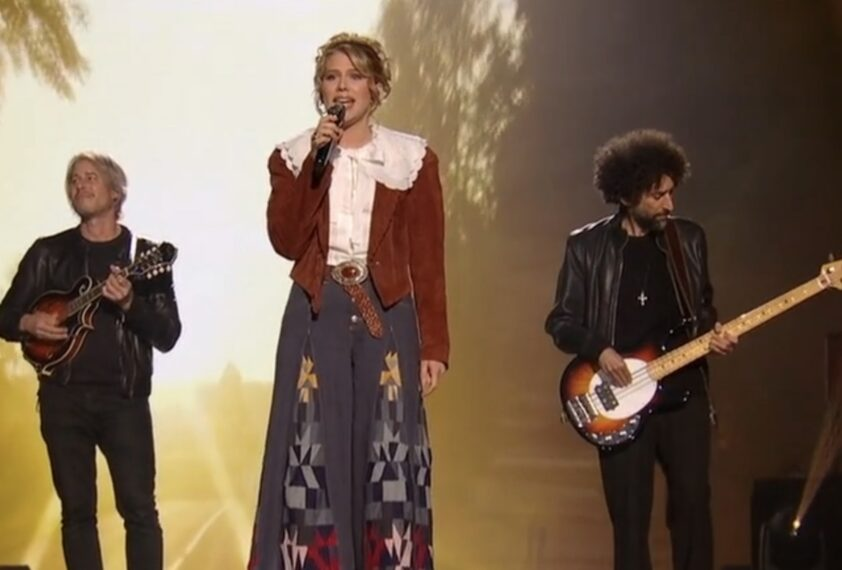
You can see it in voting patterns. Contestants who don’t trend immediately often rise steadily across rounds. They’re not the ones dominating headlines the next morning—but they’re the ones quietly accumulating consistent support. And consistency, in a multi-round format, is more dangerous than a single viral surge.
There’s a deeper reason behind that consistency. Understated performers tend to build narratives rather than moments. Each performance feels like a continuation, not a reset. Audiences begin to feel like they’re witnessing a story unfold rather than a competition escalate. That emotional investment becomes hard to break.
Even judges and critics are beginning to recalibrate their language. Where technical fireworks once dominated feedback, there’s now a growing emphasis on authenticity, restraint, and emotional precision. The metrics are shifting—from how high someone can go, to how deeply they can land.
And perhaps the most telling sign of all is this: the performances that win aren’t always the ones that go viral. They’re the ones people return to quietly, alone, without distraction. The ones that feel less like content—and more like something personal.
This isn’t the death of viral moments. They still exist. They still excite. But they no longer guarantee anything beyond attention. And attention, as 2026 is proving, is not the same as impact.
Because impact doesn’t shout.
It stays.