
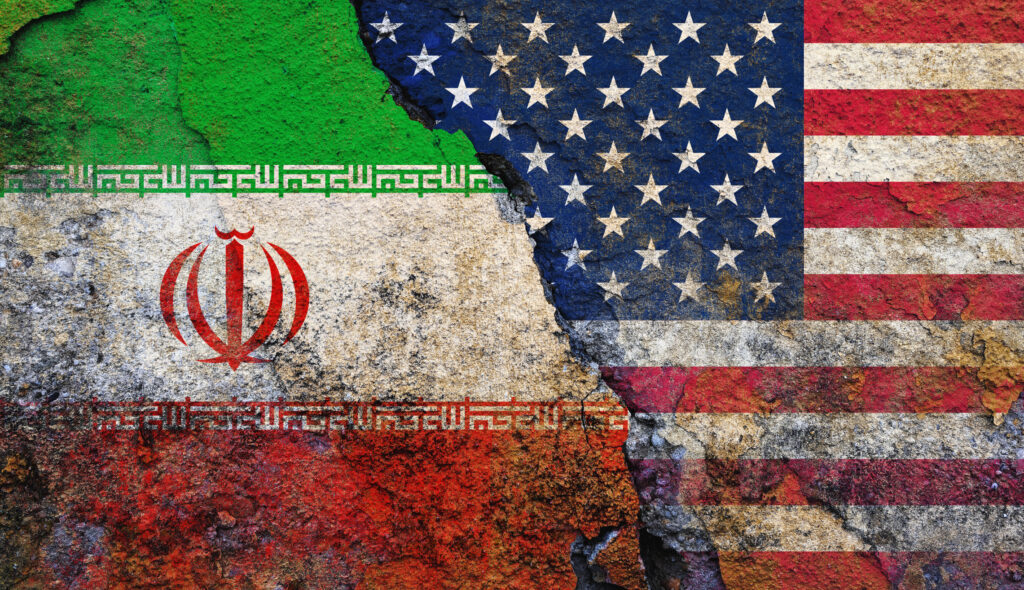
DATELINE: WASHINGTON/TEHRAN — February 28, 2026
In an unprecedented escalation of global tensions, the United States and Israel have launched a series of high-intensity airstrikes across Iran. The operation, dubbed “Operation Epic Fury” by the Pentagon and “Roaring Lion” by the Israeli Defense Forces (IDF), marks a definitive end to months of failed nuclear negotiations.
Direct Strikes on Leadership and Infrastructure
Reports indicate that the first wave of missiles targeted the heart of the Iranian regime. Key sites in Tehran—including the district housing the office of Supreme Leader Ayatollah Ali Khamenei and the presidential palace—were reportedly hit.
The Pentagon confirmed that dozens of strike aircraft, launched from carriers in the Persian Gulf and regional bases, targeted:
- IRGC Headquarters in Tehran and Kermanshah.
- Nuclear Research Facilities in Isfahan and Qom.
- Ballistic Missile Production Plants in Karaj.
President Trump: “Regime Change is the Goal”
In an 8-minute televised address from Mar-a-Lago, President Donald Trump asserted that the strikes were a “preemptive necessity” to prevent Iran from finalizing a nuclear weapon. “Our objective is to defend the American people by eliminating imminent threats,” Trump stated. He also directly called on the Iranian Revolutionary Guard to “lay down your weapons” and urged the Iranian public to “seize control of your destiny.”
Tehran Fires Back: Regional Retaliation
The response from Tehran was near-instant. The IRGC has launched waves of ballistic missiles targeting:
- Israel: Air-raid sirens are blaring across Jerusalem and Tel Aviv as the Iron Dome works to intercept a massive barrage.
- U.S. Bases: Explosions have been reported at Al Dhafra in Abu Dhabi and the US Fifth Fleet service center in Bahrain.
- Regional Stability: Airspace has been closed across the Middle East, including Jordan, Iraq, and the UAE, as global airlines suspend all flights through the corridor.
What Happens Next?
Defense analysts suggest this is not a “one-off” strike. Sources within the Trump administration indicate that this is the beginning of a multi-day operation intended to totally annihilate the Iranian Navy and dismantle their regional proxy networks.
As oil prices skyrocket and the “Doomsday Clock” moves ever closer to midnight, the world watches to see if this operation will lead to a new government in Tehran or a catastrophic “forever war” in the Middle East.
As the plumes of smoke rise over Tehran, a different kind of fire is spreading through the global financial markets. While “Operation Epic Fury” is a military maneuver, its success or failure may ultimately be measured in dollars, barrels, and interest rates.
1. The $100 Barrel: Oil Markets on Edge
The immediate impact of the joint US-Israeli strikes has been a “knee-jerk” surge in Brent Crude. Analysts at JP Morgan and Goldman Sachs are warning that a protracted conflict could push oil toward $100 to $120 per barrel by the end of March.
- The Chokepoint: 20% of the world’s oil flows through the Strait of Hormuz. If Iran follows through on its threat to block the waterway, we are looking at the most significant energy supply disruption since the 1970s.
- The “Pump” Reality: For the average American, this translates to an estimated $0.40 to $0.70 increase in gas prices within the next 10 days.
2. Stock Market Volatility: Winners and Losers
Wall Street is seeing a massive “flight to safety.”
- The Gainers: Defense contractors (Lockheed Martin, Northrop Grumman) and domestic energy producers (ExxonMobil, Chevron) saw their stock prices jump in after-hours trading.
- The Losers: Tech and Consumer Discretionary stocks are taking a hit as investors fear that rising energy costs will dampen consumer spending and keep inflation stubbornly high.
3. The Fed’s Dilemma: Inflation vs. War
The Federal Reserve was previously hinting at interest rate cuts for mid-2026. This conflict has likely “evaporated” those hopes. If the war drives up the cost of shipping and energy, inflation will spike, forcing the Fed to keep interest rates “higher for longer,” making mortgages and car loans even more expensive for US families.
4. The “Defense Premium” and the US Dollar
In times of war, the US Dollar typically strengthens as global capital seeks a safe haven. While this makes international travel cheaper for Americans, it makes US-made goods more expensive for the rest of the world, potentially hurting US manufacturing exports in the long run.
Conclusion: Operation Epic Fury isn’t just a military engagement—it’s an economic turning point for 2026. Whether this leads to a “brief shock” or a “prolonged stagflation” depends entirely on how quickly the Iranian regime collapses or how effectively they can retaliate against global energy infrastructure.