
Pain used to be something artists hid behind metaphors. Now, it’s often something they package. Curated sadness. Filtered breakdowns. A rehearsed crack in the voice at exactly the right moment. But every so often, someone walks in who doesn’t seem to understand the performance of it all—and that’s where everything shifts.
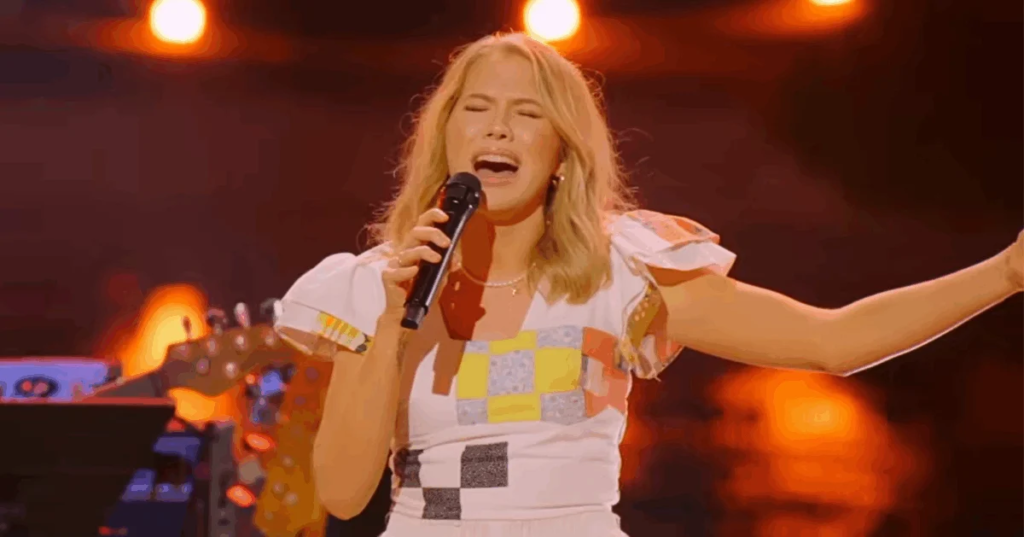
Because when she sings, it doesn’t feel like a story being told. It feels like something being remembered.
There’s a difference between expressing pain and having survived it. One is constructed; the other leaks. You can hear it in the way certain words aren’t polished, the way silence lingers a second too long, the way emotion interrupts structure instead of serving it. Her artistry doesn’t frame suffering—it reveals its aftermath.
And audiences, whether they admit it or not, are exhausted. Not by vulnerability itself, but by how predictable it has become. The industry has taught people how to feel on cue. When to cry. When to applaud. When to call something “raw.” But repetition, even of honesty, starts to feel like choreography.
That’s why her presence feels disruptive.
She doesn’t arrive with a perfectly shaped narrative arc. There’s no clear branding of pain, no neat resolution tied with a hopeful chorus. Instead, there’s something far more uncomfortable—unfinished emotion. The kind that doesn’t ask for sympathy but quietly demands recognition.
And that unsettles people in a way they don’t immediately understand.
Because real pain doesn’t perform well. It stumbles. It contradicts itself. It doesn’t always make sense. And yet, somehow, that lack of polish is exactly what cuts through the noise. In a world driven by algorithms that reward predictability, she feels like an anomaly the system can’t quite categorize.
Which is precisely why it notices her.
Her story doesn’t beg to be consumed. It resists it. There’s no sense that she’s offering her past as content. If anything, it feels like she’s still carrying it—still figuring out what it means. And that creates a rare kind of tension between the artist and the audience.
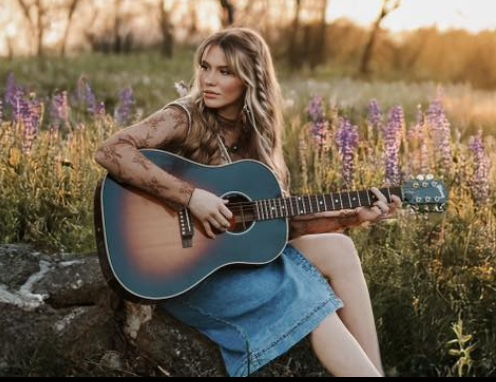
You’re not just watching her. You’re witnessing something unresolved.
That’s what separates authentic trauma from aestheticized sadness. One invites you in carefully, almost strategically. The other doesn’t invite you at all—you just happen to be there when it surfaces. And in that moment, you’re not entertained. You’re confronted.
And confrontation lingers longer than performance.
This is why her narrative doesn’t fade into the background of countless similar stories. It doesn’t follow the rhythm people expect. It doesn’t comfort. It doesn’t resolve neatly. Instead, it stays with you in fragments—in a line, a pause, a look that feels too unguarded to be intentional.
In an era where struggle is often stylized into something digestible, her reality refuses to shrink.
And maybe that’s the real reason people can’t look away—not because her pain is louder, but because it isn’t trying to be heard at all.