
Published: March 1, 2026
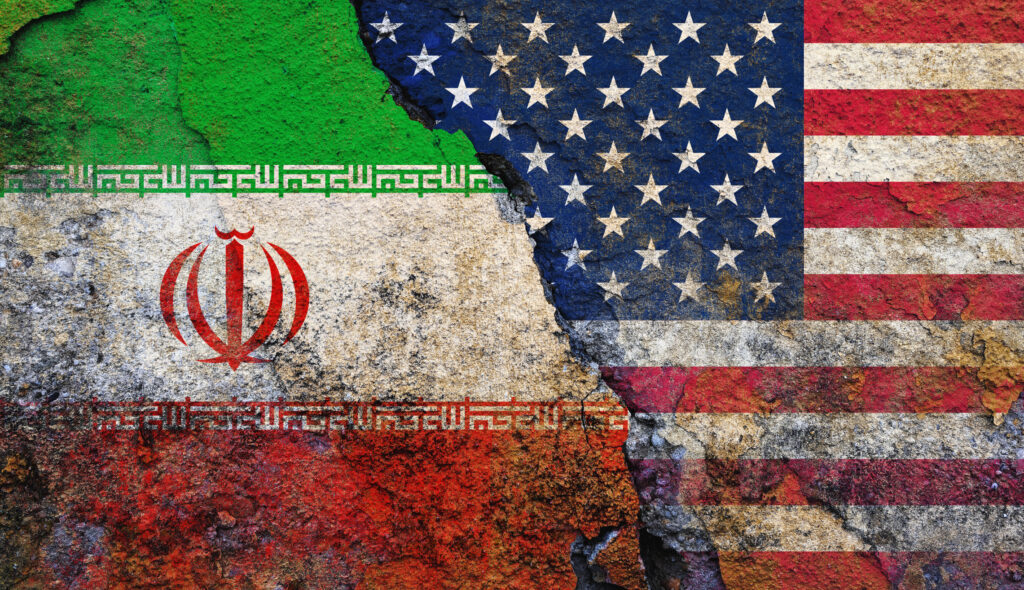
For decades, the “shadow war” between Washington and Tehran was defined by proxy battles, cyberattacks, and diplomatic cat-and-mouse. But as of this weekend, the shadows have vanished. Following the massive joint U.S.-Israeli military operation—codenamed “Epic Fury”—the Middle East is no longer bracing for a conflict; it is in the middle of one.
The Flashpoint: February 28, 2026
The landscape of the region shifted at 8:15 a.m. Saturday morning when a wave of approximately 200 fighter jets and cruise missiles struck targets across nine Iranian cities. The strikes weren’t just tactical; they were surgical strikes aimed at the heart of the regime:
• Command Centers: Hits were reported on the Ministry of Defense and the Atomic Energy Headquarters in Tehran.
• Leadership: Most significantly, the secure compound of Supreme Leader Ayatollah Ali Khamenei was targeted. While initial reports were conflicted, Iranian state media has now confirmed his death, declaring 40 days of mourning.
• Nuclear Infrastructure: Facilities in Karaj, Qom, and Isfahan were reportedly neutralized to prevent what the White House called “imminent nuclear breakout.”
The Retaliation: A Region Under Fire
Tehran’s response was immediate and multi-pronged. Within hours, the Islamic Revolutionary Guard Corps (IRGC) unleashed its missile arsenal, turning the entire Persian Gulf into a combat zone.
1. U.S. Bases Targeted: Missile and drone strikes hit facilities in Bahrain, Qatar, Kuwait, and the UAE.
2. The Strait of Hormuz: In a move that sent global oil prices into a tailspin, Iran declared the Strait of Hormuz closed to shipping, calling it an “unsafe waterway” due to Western aggression.
3. Israel Under Fire: Barrages reached Tel Aviv and Central Israel, marking the most direct and sustained exchange between the two powers in history.
Why Now? The Pressure Cooker Bursts
Critics and supporters alike are asking: What pushed the U.S. to abandon diplomacy? Several factors converged this February:
• Domestic Unrest in Iran: Since late 2025, Iran has been gripped by nationwide protests. President Trump’s administration framed the strikes as a way to “give the country back to the people,” though many experts fear the chaos may lead to a power vacuum rather than democracy.
• Failed Negotiations: Despite “last-chance” talks in Geneva just days ago, the U.S. demands for a permanent end to uranium enrichment and the dismantling of proxy networks (Hezbollah, Houthis) were met with Iranian defiance.
• The “Red Line”: Intelligence reports suggested Iran was weeks away from a deliverable nuclear warhead, a threshold both the U.S. and Israel had vowed never to allow.
What Comes Next?
We are in uncharted territory. With the Supreme Leader gone and the IRGC in “no leniency” mode, the risk of a protracted regional war is at its highest since 1979.
The global community is now watching two things: oil prices and China’s response. If the Strait of Hormuz remains closed, the economic shockwaves will be felt in every gas station and grocery store on the planet.
“This is no longer a game of deterrence,” says one senior diplomat. “This is a fight for the future of the Middle East.”
Stay tuned as we continue to track live updates on the “Epic Fury” aftermath.