
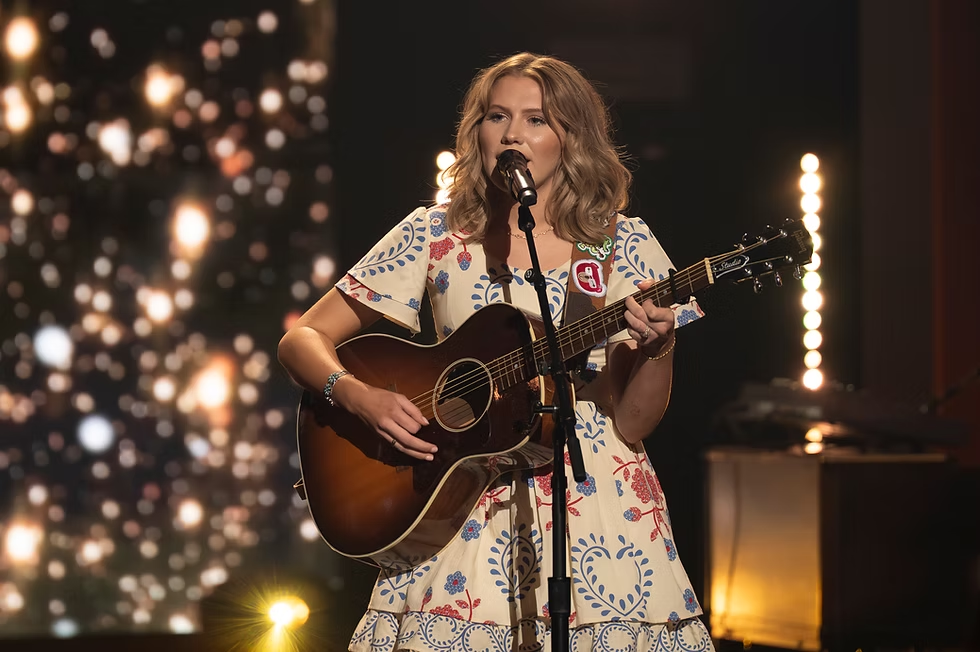
There’s a certain kind of silence that only happens when something real is unfolding. It’s not forced. It’s not commanded. It simply arrives—and stays. That’s the kind of space Hannah Harper creates when she sings.
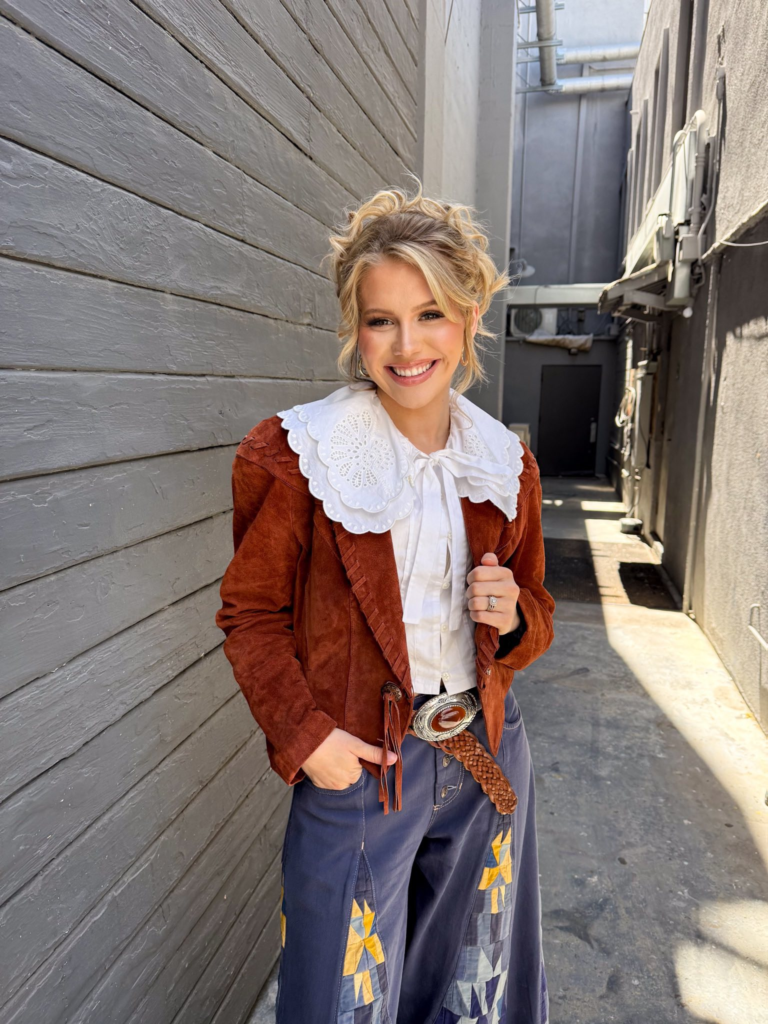
In a world built on vocal gymnastics and high notes engineered to go viral, her voice moves differently. It doesn’t chase applause. It doesn’t ask for validation. Instead, it settles into something quieter, something older—something that feels like truth before performance.
You don’t watch her to be impressed. You watch her because something inside you recognizes itself in what she’s doing. That’s a rare currency in modern music, where spectacle often overshadows sincerity.
Her tone isn’t just heard—it’s felt. There’s a grain to it, almost like it carries history. Not the kind written in headlines, but the kind lived in kitchens, backroads, and late-night prayers. That texture cannot be trained. It has to be lived.
And that’s what separates her. While others build moments, she reveals them. There’s no urgency in her delivery, no rush to prove. She lets each word land fully, trusting that meaning doesn’t need decoration to be powerful.
Her restraint becomes her strength. Where others might escalate, she softens. Where others push, she pauses. And in those pauses, something extraordinary happens—the listener leans in.
Connection, not perfection, becomes the centerpiece.
It’s tempting to measure singers by range, control, or technical brilliance. But Hannah’s artistry lives in a different metric entirely. It’s measured in goosebumps. In held breath. In the quiet realization that a song suddenly feels personal.
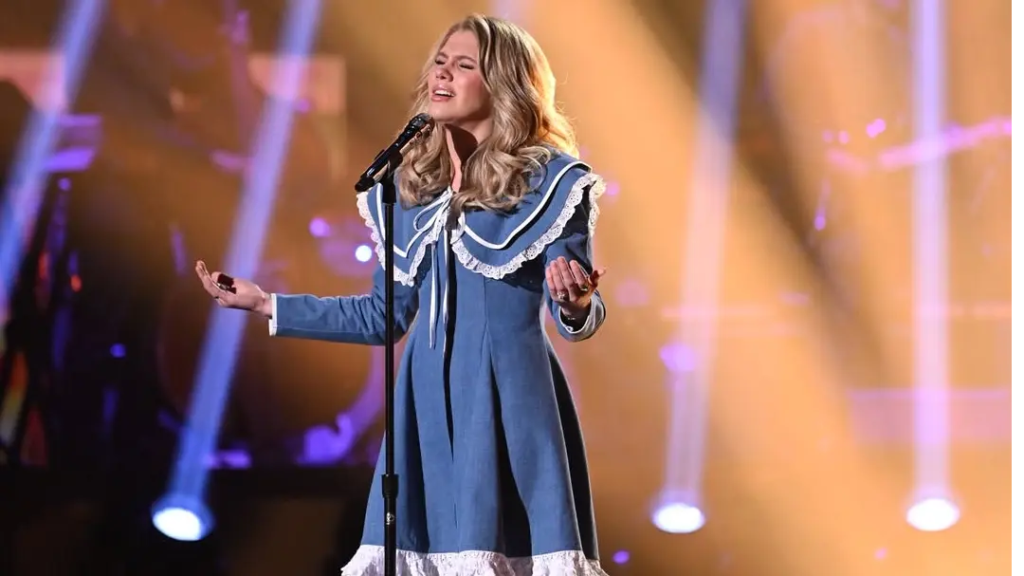
She doesn’t just perform lyrics—she inhabits them. Every phrase feels like it belongs to her before it ever reaches the audience. That authenticity is disarming. It lowers defenses. It invites people in without them even realizing it.
And perhaps that’s why her performances linger longer than louder ones. They don’t end when the music stops. They echo. They stay with you in small, unexpected moments—when you’re alone, when you’re thinking, when you didn’t even know you needed to feel something.
There’s also an honesty in her stillness. She doesn’t rely on movement or theatrics to carry emotion. Instead, she trusts the song—and more importantly, she trusts the listener to meet her halfway.
That kind of trust is rare. It assumes the audience doesn’t need to be dazzled to be moved. It assumes people still crave something real.
And they do.
In many ways, her singing feels like a quiet rebellion against everything loud and polished. It’s a reminder that music, at its core, was never meant to be a competition of skill—it was meant to be a bridge between hearts.
What makes her dangerous—in the best way—is that she makes people feel without trying to. There’s no visible effort to manipulate emotion. It just happens, naturally, almost invisibly.
And when something feels that effortless, it often means it’s deeply genuine.
Not every listener will immediately understand it. Some may wait for the “big moment” that never comes. But for those who do understand, the reward is something far more lasting than a vocal climax.
It’s recognition.
It’s that quiet moment where a voice doesn’t just reach your ears—it reaches something deeper, something you didn’t expect to be touched.
That’s the kind of singing that doesn’t need to impress.
Because it already knows how to connect.