
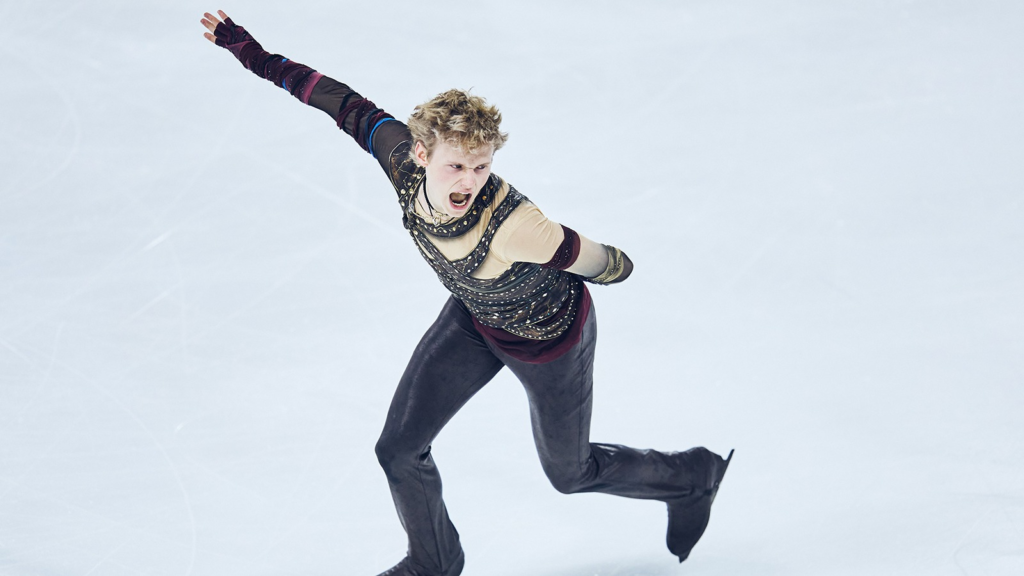
The first thing anyone remembers about Prague that week is not the sound of the crowd, but the silence before it. Outside the O2 Arena, the air carried the kind of cold that makes every breath visible, as if the city itself was exhaling slowly, waiting for something it could not yet name. The banners moved gently above the entrance, and people walked in without speaking much, as though everyone understood that this was not just another competition, but the end of a season that had already taken everything out of the skaters who survived it.
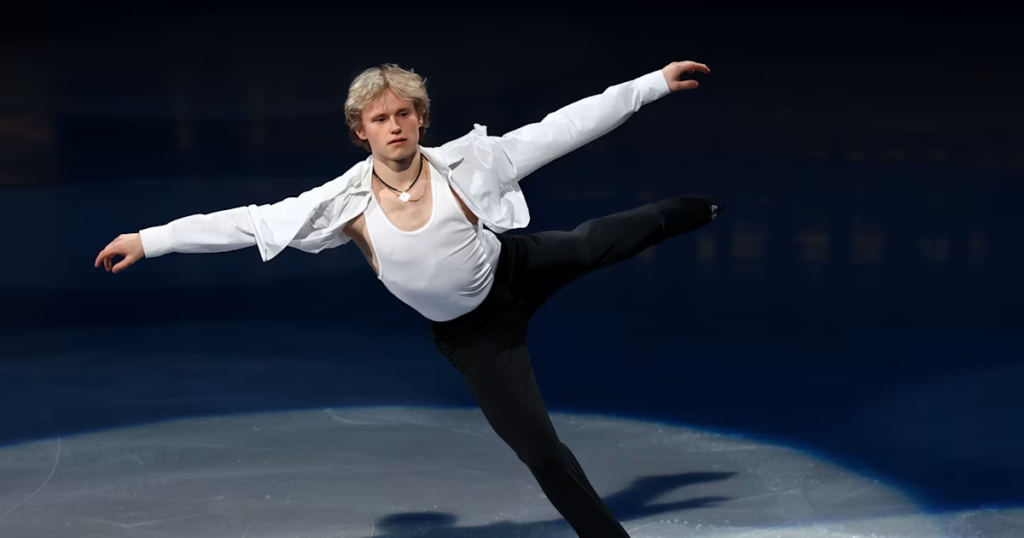
Inside, the rink glowed under soft white lights, the ice smooth and untouched, holding the faint reflection of the empty seats before the audience arrived. When the first blades touched the surface, the sound was thin and sharp, cutting through the quiet like a memory returning. It felt strange how such a large arena could still seem so small, as if all the space in the world had narrowed down to the circle of ice at the center.
Event Highlights (Local Time – CET):
March 25: Women’s Short Program,
Pairs’ Short Program.
March 26: Men’s Short Program,
Pairs’ Free Skate.
March 27: Rhythm Dance, Women’s Free Skate.
March 28: Men’s Free Skate, Free Dance.
March 29: Gala Exhibition.
The days began gently, almost cautiously. The women’s short program and the pairs stepped onto the ice with the careful energy of people who knew the week would ask more from them than they wanted to give. Dresses shimmered under the lights, shoulders lifted with steady breaths, and every landing carried a small pause afterward, the kind of pause where the audience held their breath without realizing it.
By the second day, the air inside the arena felt heavier. When the men skated their short programs, the sound of blades grew louder, faster, more urgent, echoing against the high ceiling like a question that no one could answer yet. Some skaters looked toward the boards before they started, not searching for anything in particular, just taking a second longer than usual, as if trying to remember why they loved the ice in the first place.
The free skate for the pairs came later that night, and the arena lights dimmed slightly before the music began. Lifts rose slowly into the air, bodies balanced on trust more than strength, and for a moment the whole building seemed to lean with them. When a program ended cleanly, the applause arrived late, almost gently, as if the crowd did not want to break the spell too quickly.
On the third day, the rhythm dance brought a different kind of sound, the sharp edges of music replacing the quiet tension of the earlier events. Blades moved closer together, steps falling in perfect time, faces calm even when the speed grew dangerous. Somewhere in the stands, someone laughed softly after a difficult sequence landed clean, the kind of laugh that comes from relief more than joy.
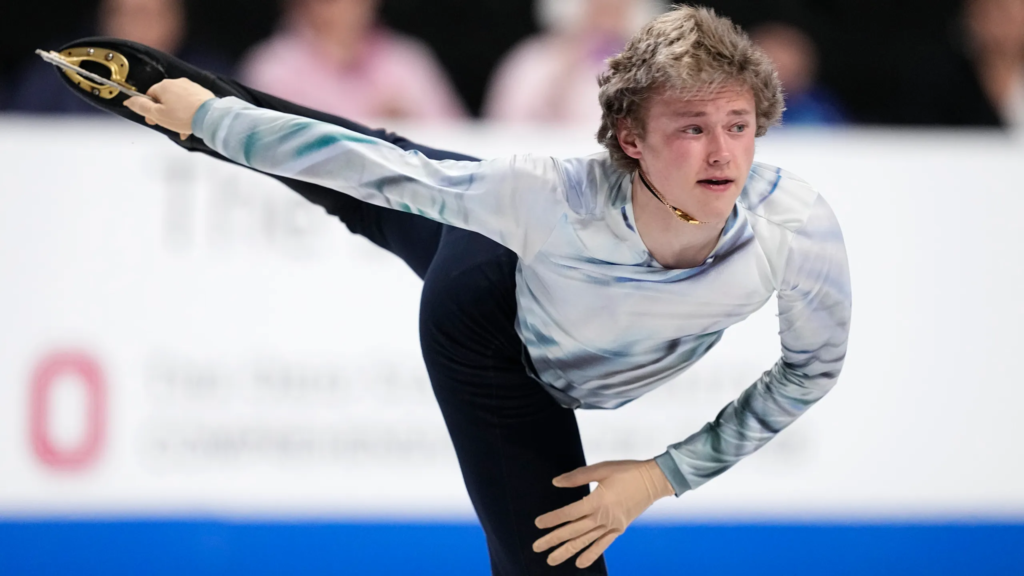
The women’s free skate that evening felt slower, deeper, as if every skater carried the whole season in their shoulders. When the music stopped after each program, there was always a moment where no one clapped right away. The skater would stand at center ice, chest rising and falling, eyes searching the lights, and for that second it looked like the world had forgotten to move.
By the time the final day of competition arrived, the arena no longer felt like a place for sport. The men’s free skate unfolded under a quiet that felt almost sacred, every jump followed by the sound of blades carving hard into the ice, every landing answered by a wave of breath from the crowd. The free dance later that night moved like something remembered rather than performed, hands reaching, turning, separating, finding each other again as if the music had been there long before the skaters were.
When the last scores appeared, no one reacted right away. The champions stood together at the boards, not smiling yet, not celebrating, just looking at the ice where the week had slowly disappeared. Around them, the lights stayed the same, the rink unchanged, but everyone could feel that something had ended, even if no one could say exactly what.
The gala on the final evening felt softer, almost distant, like the closing of a book no one wanted to finish. Programs were lighter, the music warmer, but the stillness between performances remained. Skaters who had spent the whole week fighting for every point now moved without tension, as if the ice no longer demanded anything from them.
Long after the arena emptied, the surface was smoothed again, the marks erased, the reflections returning to the quiet white sheet at the center of the building. Nothing remained of the jumps, the falls, the victories, or the losses — only the feeling that for a few days in March, the world had gathered around a small circle of ice in Prague, and watched a season come to an end without ever wanting the silence to break.