
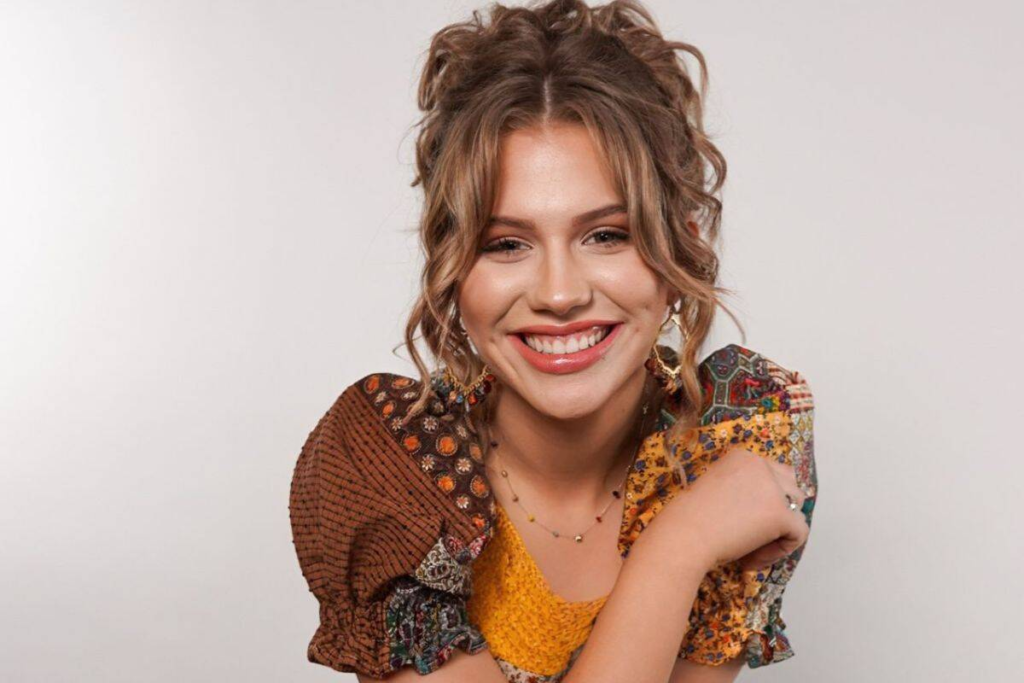
The latest season of American Idol is delivering more than just powerhouse vocals; it’s delivering a firestorm of social debate. At the center of the storm is rising star Hannah Harper, whose recent comments regarding LGBTQ+ representation in children’s media have ignited a massive divide among fans, critics, and casual viewers alike.
The Spark That Set Social Media Ablaze
The controversy began when Harper shared her personal stance on children’s entertainment. During a recent discussion, she expressed her belief that children should not be exposed to cartoons featuring LGBTQ+ themes, stating that she believes kids should grow up with what she describes as “traditional values.”
In an era where media representation is a major topic of conversation, her comments did not go unnoticed. Within hours, “Hannah Harper” was trending across X (formerly Twitter), TikTok, and Facebook, with users on both sides of the aisle weighing in.
The Call for a Boycott
For many fans, Harper’s comments were a bridge too far. A vocal segment of the American Idol audience has launched a campaign to stop voting for her, arguing that a modern “Idol” should represent inclusivity and diversity.
The backlash hasn’t stopped at voting. There are growing calls to boycott her music and even requests for streaming platforms to remove her performances. Critics argue that using a public platform to suggest the exclusion of LGBTQ+ themes is harmful to the very community that often finds a home in the performing arts.
A Surge in Streams: The “Streisand Effect”?
Interestingly, while the calls for a boycott are loud, the numbers tell a more complex story. Despite the heated rhetoric, Harper’s performance videos are seeing a massive spike in viewership.
Whether it’s fans showing support for her right to free speech or curious onlookers wanting to see what the fuss is about, Harper is currently one of the most-watched contestants of the season. This phenomenon has sparked a second debate: Can you separate the art from the artist?
The Big Question: Performance or Politics?
Supporters of the singer argue that American Idol is a singing competition, not a political one. They contend that Harper’s personal views shouldn’t overshadow her vocal talent and that the “best way to judge” her is to listen to the music first.
On the other side, detractors argue that in 2024, a celebrity’s values are part of their “brand,” and voting for them is an endorsement of their platform.
What’s Next for Hannah?
As the competition narrows, the pressure on Hannah Harper is only going to increase. Will the controversy propel her to the finale through a dedicated base of support, or will the boycott gain enough steam to end her journey on the show?
One thing is certain: Hannah Harper has the world’s attention. Now, the question remains whether they are tuning in to hear her sing—or waiting to see what she says next.
What do you think? Should a contestant’s personal views affect their standing in a talent competition? Let us know in the comments.