
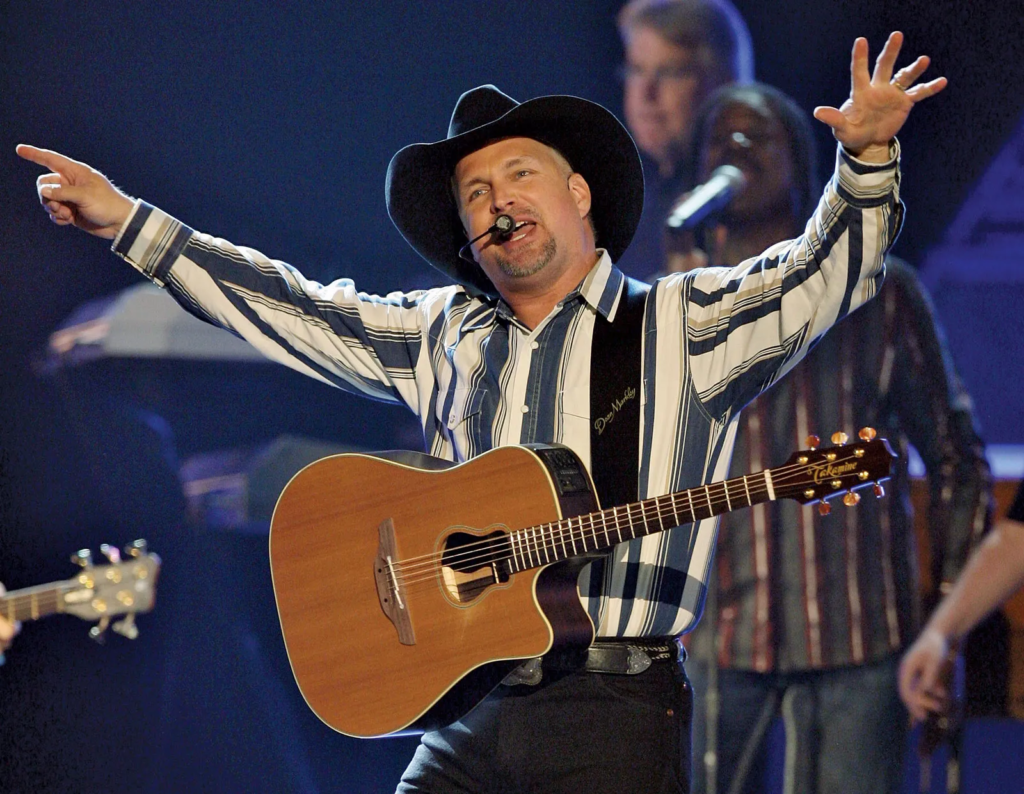
There are albums that arrive quietly… and then there are albums that arrive without anyone realizing they’re about to rewrite everything. When Garth Brooks released his self-titled debut Garth Brooks 37 years ago, it didn’t feel like a revolution.
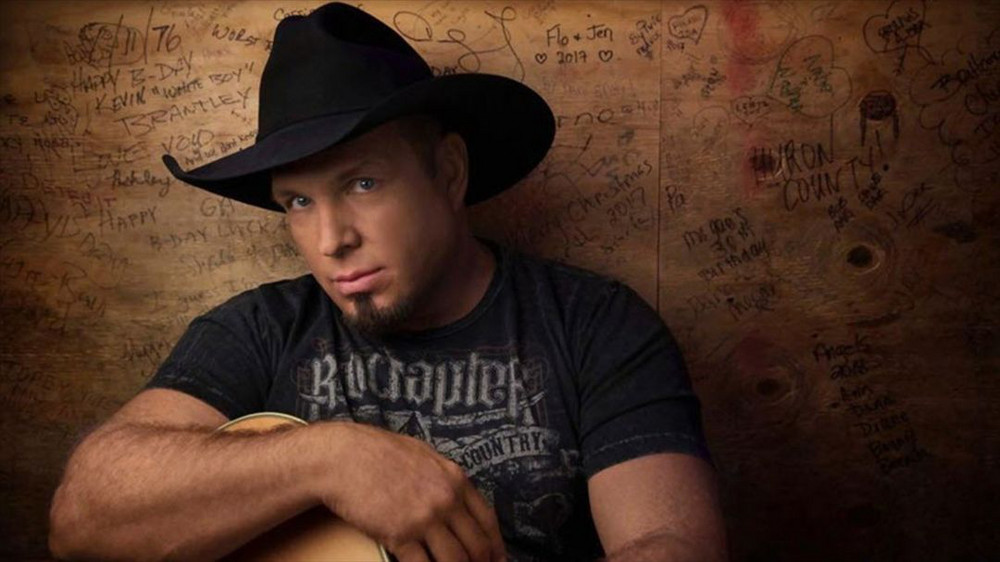
It felt like a beginning.
No grand announcement. No overwhelming spectacle. Just a record that carried something honest, something grounded—something that didn’t need to shout to be heard. And yet, somewhere within those tracks, something shifted.
Because this wasn’t just another country album.
It was a turning point disguised as simplicity.
From the very first listen, there was a difference—not in volume, but in feeling. Songs like The Dance didn’t just play… they lingered. They held space. They carried a kind of emotional weight that didn’t fade when the music stopped. It wasn’t about impressing the listener—it was about reaching them.
And it did.
“If Tomorrow Never Comes” didn’t feel like a song you heard—it felt like a question you couldn’t ignore. A moment of reflection wrapped in melody. It asked something quietly, but deeply: what would you leave behind if everything stopped right now?
That kind of storytelling wasn’t new.
But the way Brooks delivered it felt different.
More immediate.
More personal.
Then there was “Much Too Young (to Feel This Damn Old)”—a track that carried something raw and restless. It spoke to a feeling that didn’t belong to one generation or one moment. It was universal, yet somehow specific at the same time. The kind of song that makes you feel seen without explaining why.
That’s where the power of the album lived.
Not in complexity, but in clarity.
Each track felt intentional. Each lyric felt lived-in. There was no distance between the artist and the audience—no barrier of performance or persona. It felt like a conversation, not a presentation.
And that connection changed everything.
Because country music, at its core, has always been about storytelling. But Brooks didn’t just tell stories—he made people feel like they were inside them. Like they weren’t just listening, but remembering something they hadn’t experienced yet.
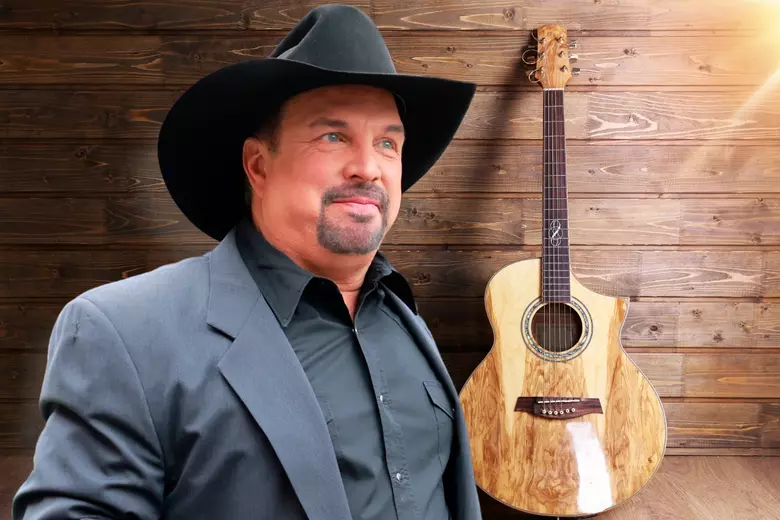
That’s a rare ability.
And it didn’t take long for the world to notice.
The album climbed to No. 2 on the Billboard Top Country Albums chart—not by accident, but by resonance. People didn’t just hear it—they shared it. Passed it along. Let it become part of their lives in ways charts can’t fully measure.
And then came the milestone that confirmed what listeners already knew.
RIAA diamond certification.
But numbers don’t tell the whole story.
Because what this album achieved goes beyond sales or rankings. It created a bridge—between traditional country roots and something broader, something that could reach beyond the usual boundaries of the genre.
It opened doors.
Not by abandoning what came before, but by expanding it.
That’s what made it special.
It didn’t try to be different.
It simply was.
Looking back now, it’s easy to see the impact. Easy to connect the dots between that debut and everything that followed—the stadium tours, the cultural influence, the way Brooks redefined what a country artist could be.
But in that moment, 37 years ago, none of that was guaranteed.
All that existed was the music.
And maybe that’s why it still matters.
Because even now, those songs haven’t faded. They haven’t lost their edge or their meaning. They still feel relevant, still feel real, still carry the same emotional weight they did when they were first released.
That’s not just longevity.
That’s legacy.
And maybe that’s the most remarkable part of all—that something so simple, so unassuming at the time, could grow into something so enduring. Not because it was designed to last, but because it was built on something that always does.
Truth.
So when people look back and ask, “Who remembers when this album came out?” the answer isn’t just about memory.
It’s about feeling.
Because some albums don’t just stay in the past.
They stay with you.