
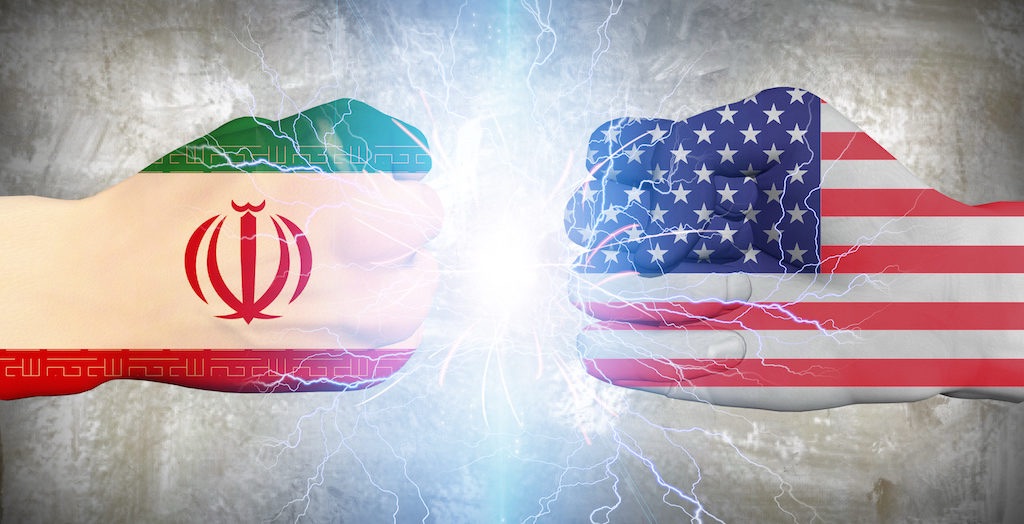
There was a time when a call from United States echoed like a command across allied capitals. Today, that echo returns softer, fractured—sometimes unanswered. In the unfolding tension with Iran, Europe is not marching in rhythm. It is pausing, calculating, and in some cases, quietly stepping back.
This is not rebellion. It is something far more complex—an evolution. Europe’s hesitation is not rooted in defiance, but in memory. The shadows of past conflicts linger, particularly those where unity once came at a cost too heavy to justify in hindsight.
Behind the polished statements and diplomatic phrasing lies a deeper truth: alignment is no longer automatic. Within NATO, conversations have shifted from obligation to consequence. What does support truly mean—and who bears the weight when decisions unfold into prolonged conflict?

For Europe, geography is not just a map—it is a vulnerability. The ripple effects of instability in the Middle East arrive faster and hit harder. Energy routes tighten, migration pressures rise, and economies feel tremors long before strategies conclude.
And then there is the quiet influence of public sentiment. Across European cities, voices grow louder—not in anger, but in exhaustion. The appetite for another war is not just low; it is nearly nonexistent. Democracies listen, even when alliances expect otherwise.
Economics whispers where politics once dictated. The cost of disruption—oil, trade, security—is calculated not in abstract projections but in lived realities. For Europe, the margin for error is thinner, the consequences more immediate.
There is also a subtle but undeniable shift toward autonomy. The European Union has long spoken of strategic independence. Now, in moments like these, it is being tested. Not loudly, not dramatically—but unmistakably.
What makes this moment extraordinary is its quietness. No dramatic declarations, no fractured alliances—just a slow, deliberate divergence. A realization that unity does not always mean uniformity.
Meanwhile, the world itself is changing. Power is no longer concentrated in singular directions. Europe finds itself balancing—not choosing between sides, but navigating between consequences. It is less about loyalty, more about sustainability.
And so, when allies say no, it is not the end of a partnership. It is the beginning of a new kind of one—one shaped not by reflex, but by reflection. In that silence, in that hesitation, lies a question far greater than war itself: what does it mean to stand together in a world that no longer stands still?