
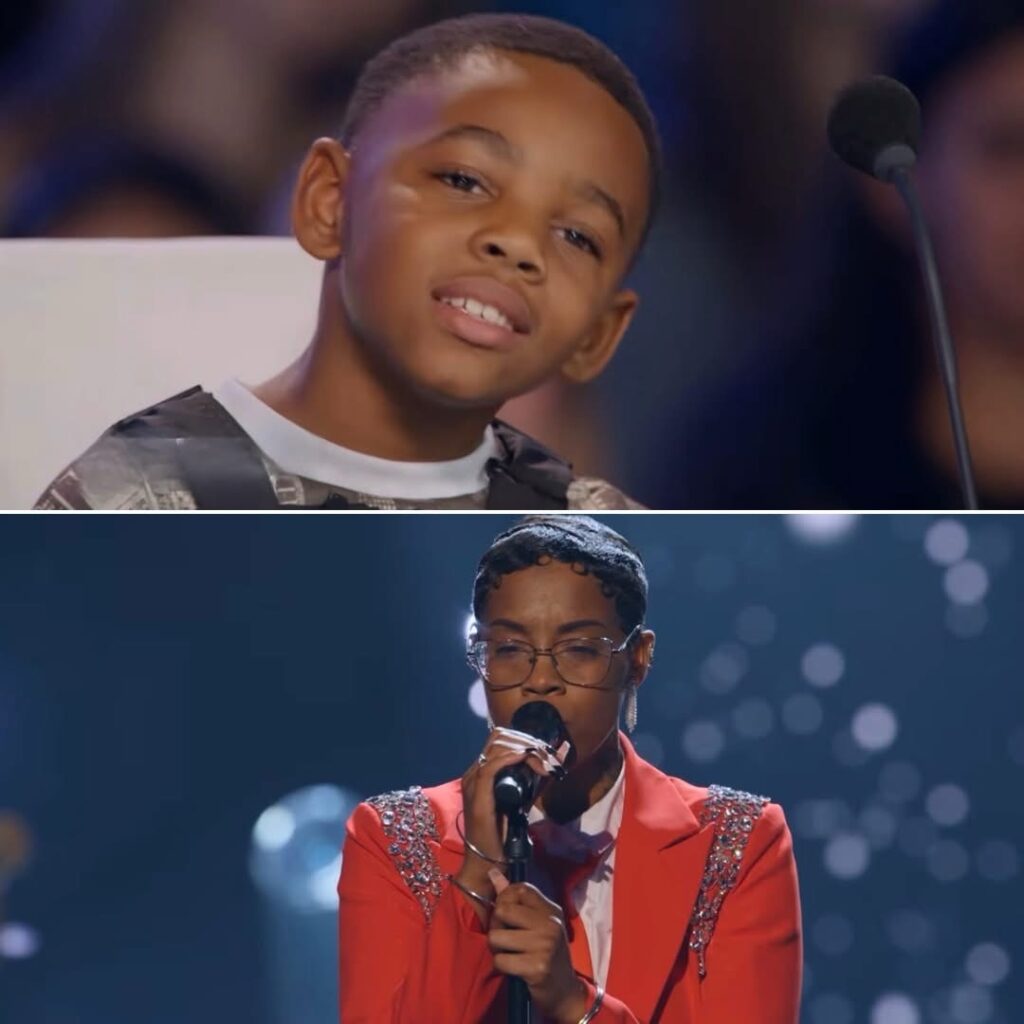
The stage of American Idol has always been more than a platform for voices—it’s a mirror reflecting what audiences choose to feel, question, and sometimes reject. And when Keyla Richardson stepped forward, her performance didn’t just carry melody—it carried a story. A story that, for some, resonated deeply. For others, it unsettled something they couldn’t quite name.
There is a peculiar tension that arises when vulnerability meets visibility. Keyla didn’t just sing “I Won’t Give Up”—she lived it, weaving her son into the emotional fabric of her performance. But here’s the uncomfortable truth: not everyone welcomes raw honesty when it’s placed under bright lights. Sometimes, audiences prefer distance over depth.
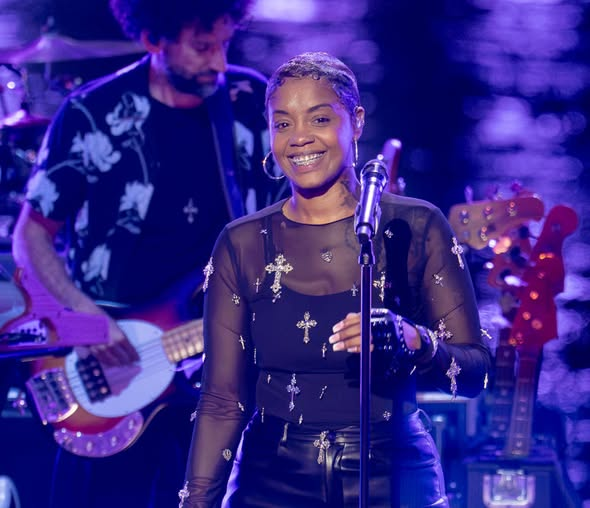
What makes this moment fascinating isn’t the performance itself, but the reaction it sparked. The internet, as always, split into two loud halves. One side saw courage—a mother standing tall, carrying both dreams and responsibilities. The other saw calculation, questioning whether emotion had become strategy.
But why does emotional storytelling trigger suspicion so quickly? Perhaps because we’ve been conditioned to believe that authenticity must come without context. That talent should exist in isolation, untouched by personal struggle. Yet, isn’t art, at its core, a reflection of lived experience?
There’s also a deeper, quieter conversation unfolding beneath the noise. When a Black woman expresses vulnerability on a public stage, it often collides with long-standing stereotypes. Strength is expected. Composure is demanded. And when emotion breaks through, it is sometimes misread—not as truth, but as tactic.

It’s worth asking: would the same narrative be questioned if it came from someone else? Or is there an invisible filter through which certain stories are judged more harshly? These aren’t easy questions, but they linger long after the applause fades.
Motherhood, too, becomes a complicated lens. When a mother speaks about her child, it is often seen as either deeply inspiring or unfairly strategic—rarely neutral. The line between sharing and “using” becomes blurred, shaped more by perception than intent.
And then there’s the nature of modern audiences. We consume stories rapidly, judge instantly, and move on quickly. But in that speed, nuance gets lost. A performance becomes a headline. A moment becomes a debate. A human being becomes a talking point.
What if the real discomfort isn’t about sympathy at all? What if it’s about witnessing someone claim space unapologetically—emotion, identity, and ambition all at once? That kind of presence doesn’t just entertain; it challenges.
In the end, the question isn’t whether Keyla played a “card.” It’s whether we, as viewers, are willing to confront the biases we bring into the room. Because sometimes, the loudest reactions say less about the performer—and far more about the audience watching.