
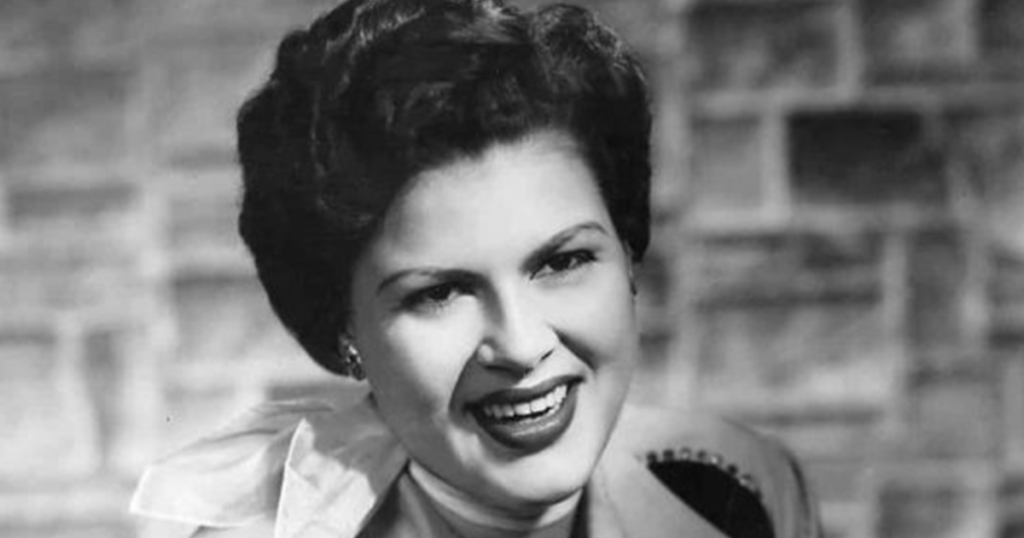
There are moments in music history that don’t just shape a song—they reveal the soul behind it. In early 1959, Patsy Cline stood at one of those moments, caught between control and surrender, identity and evolution. She had already tasted success, but at Decca Records, she was still searching for permanence—not just a hit, but a sound that could carry her truth without compromise.
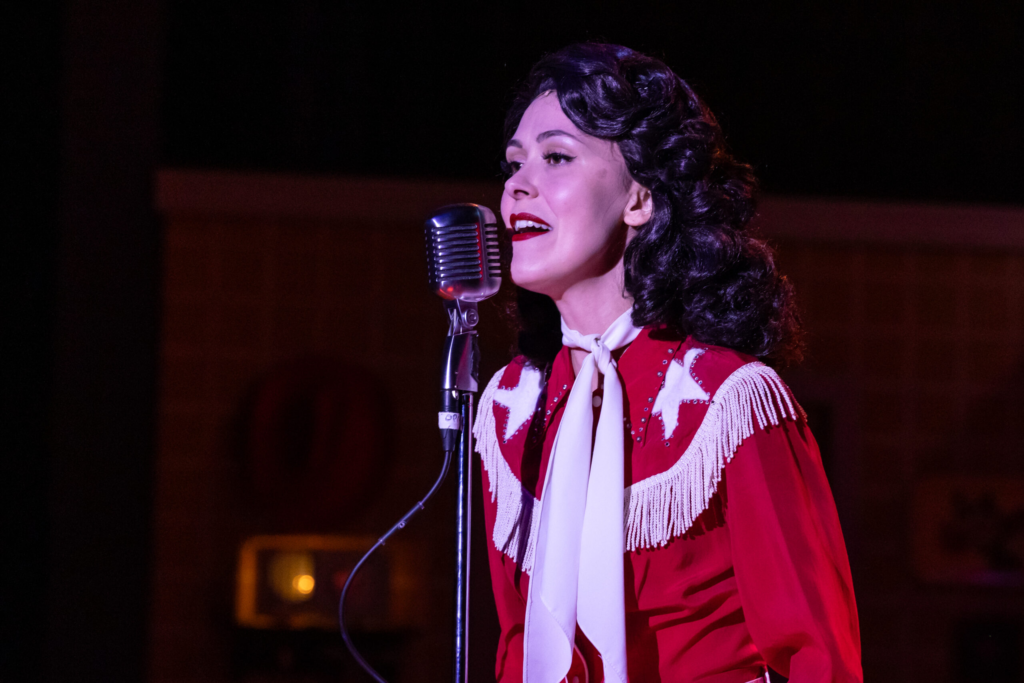
The sessions on January 8 and 9 at the Bradley Studio in Nashville were supposed to be routine. But music rarely respects routine when greatness is involved. Owen Bradley, a producer known for shaping the Nashville Sound, had a vision—one that required stepping beyond Patsy’s comfort zone. He brought in The Jordanaires, the very voices that had supported Elvis Presley, to add a layer of harmony.
To Bradley, it was refinement.
To Patsy, it felt like intrusion.
She had fought too hard to be heard just to be softened. Her voice wasn’t fragile—it was commanding, emotional, unapologetically human. The idea of “four guys singing and covering me up” wasn’t just a technical concern; it was a threat to her identity. In that room, her resistance wasn’t stubbornness—it was protection.
And so, tension filled the studio.
Not the dramatic kind that explodes, but the quiet, heavy kind that lingers in the air between takes. It was the sound of an artist refusing to disappear inside someone else’s arrangement. For Patsy, music wasn’t decoration—it was confession. Every note she sang carried weight, memory, and meaning. She couldn’t risk losing that.
But something shifted during that short break.
Maybe it was the silence.
Maybe it was reflection.
Or maybe it was the realization that collaboration doesn’t always mean compromise—it can mean expansion.
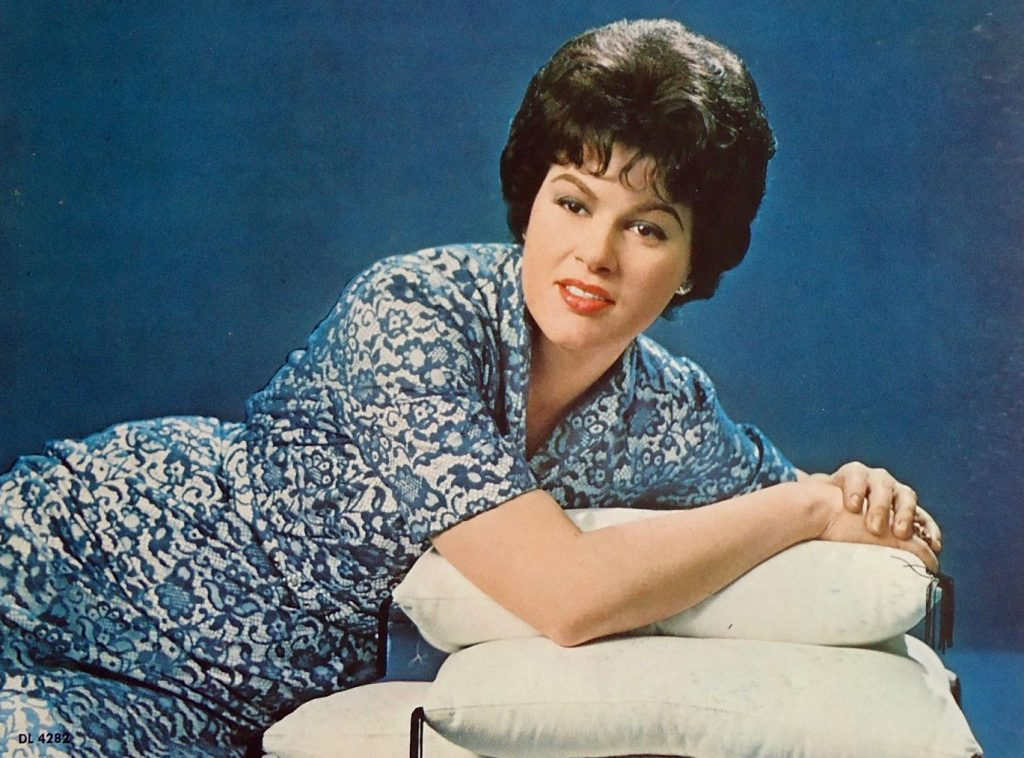
When she returned to the microphone, there was a subtle change. Not in her strength, but in her openness. The same fire remained, but it was now guided rather than guarded. And when the music began again, something extraordinary happened.
The song—a mid-tempo ballad about understanding, acceptance, and the quiet grace of letting go—found its voice.
Patsy didn’t shrink beneath the harmonies.
She rose through them.
The Jordanaires didn’t cover her—they carried her. Their smooth, restrained backing created space instead of noise, warmth instead of competition. And in that space, her voice deepened. It wasn’t just powerful anymore—it was layered, textured, almost cinematic in its emotion.
What had started as tension became balance.
This is what makes that session unforgettable—not just the sound that came out of it, but the transformation within it. It was a moment where control met trust, where instinct met experimentation. Patsy didn’t lose herself in that studio. She discovered a broader version of who she could be.
And that’s the part people often miss about artists like her.
Strength isn’t just about standing firm—it’s about knowing when to bend without breaking. Patsy Cline didn’t surrender her identity that day. She expanded it. She proved that vulnerability doesn’t weaken a voice—it gives it depth.
That recording didn’t just capture a song.
It captured a decision.
A decision to step forward instead of stepping back.
To listen instead of resist.
To feel instead of fight.
And in doing so, she created something timeless.
Because the truth is, the magic we hear in recordings like that doesn’t come from perfection. It comes from tension resolved, from emotion processed in real time. It comes from artists standing at the edge of discomfort—and choosing to stay.
That’s what happened in that Nashville studio.
Not just a recording session.
Not just a disagreement.
But a quiet turning point—where a voice that refused to be overshadowed learned how to shine even brighter when surrounded.