
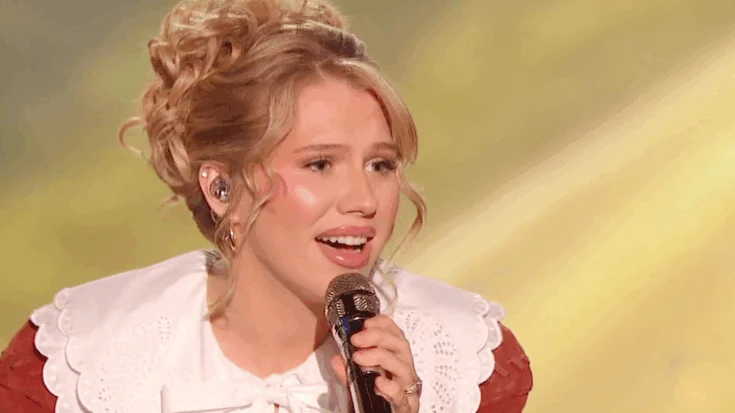
There’s a quiet comfort in hearing your name called early. Safe. Secure. Moving forward. No dramatic pauses, no dimmed lights, no trembling hands gripping the edge of a microphone stand. Week after week, that safety becomes a rhythm — predictable, almost reassuring. But in a competition built on momentum, attention, and emotional peaks, comfort can slowly turn into something far more fragile than risk.
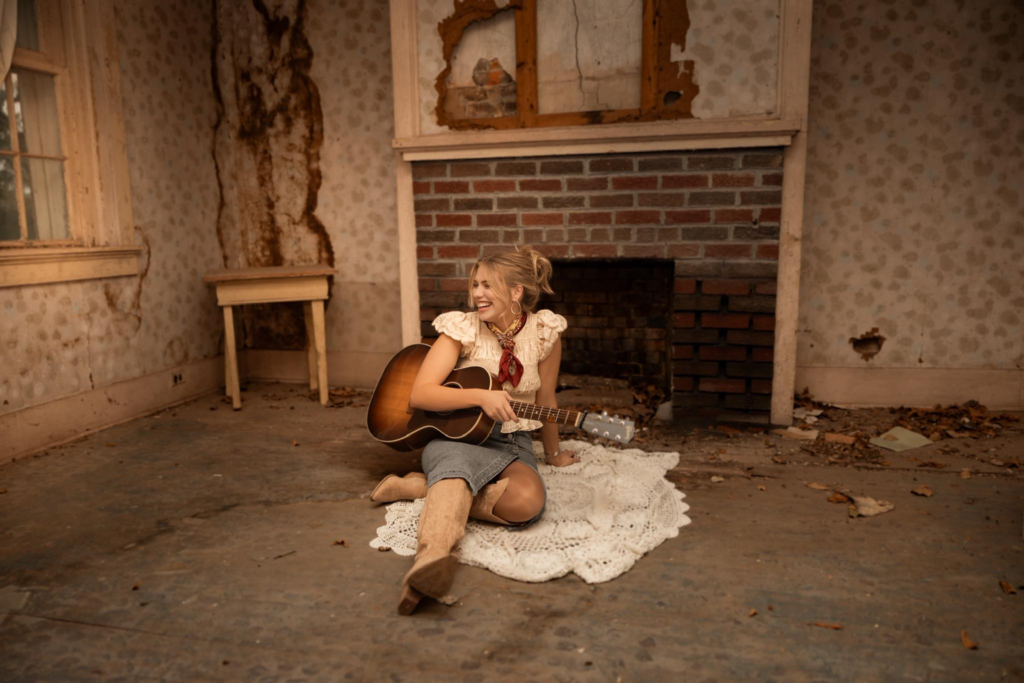
Because safety, in its purest form, rarely leaves a mark.
Contestants who live in the “safe zone” often master consistency. They deliver clean vocals, polished performances, and just enough emotional connection to avoid elimination. It’s impressive. It’s professional. But it’s also… forgettable in a system that rewards moments, not maintenance. Audiences don’t just vote for who is good — they vote for who they remember when the lights go off.
And memory is not built on safety. It’s built on disruption.
The irony is sharp. While bottom-three survivors often gain sympathy, screen time, and a surge of urgency, the consistently safe contestant exists in a strange middle ground — neither celebrated nor threatened enough to spark a reaction. They become background noise in a show that thrives on extremes. Not bad enough to worry about. Not bold enough to dominate conversation.
And that’s where the danger quietly begins.
Because as the competition narrows, voting behavior shifts. Casual voters drop off. Dedicated fanbases take control. And those fanbases are rarely built on consistency alone — they’re built on moments that feel personal, risky, or unforgettable. A safe contestant may have widespread approval, but approval doesn’t always translate into passionate votes when it matters most.
The show doesn’t just ask, “Who is the best?” It asks, “Who do you feel something for?”
And feeling is rarely triggered by predictability.
There’s also a psychological layer at play. When viewers see someone safe every week, they subconsciously assume others are already voting for them. It creates a diffusion of responsibility — a quiet belief that “they’ll be fine without my vote.” Meanwhile, contestants who appear vulnerable activate urgency. They need saving. They need support. They need action.
Safety, ironically, can make you invisible when votes are counted.
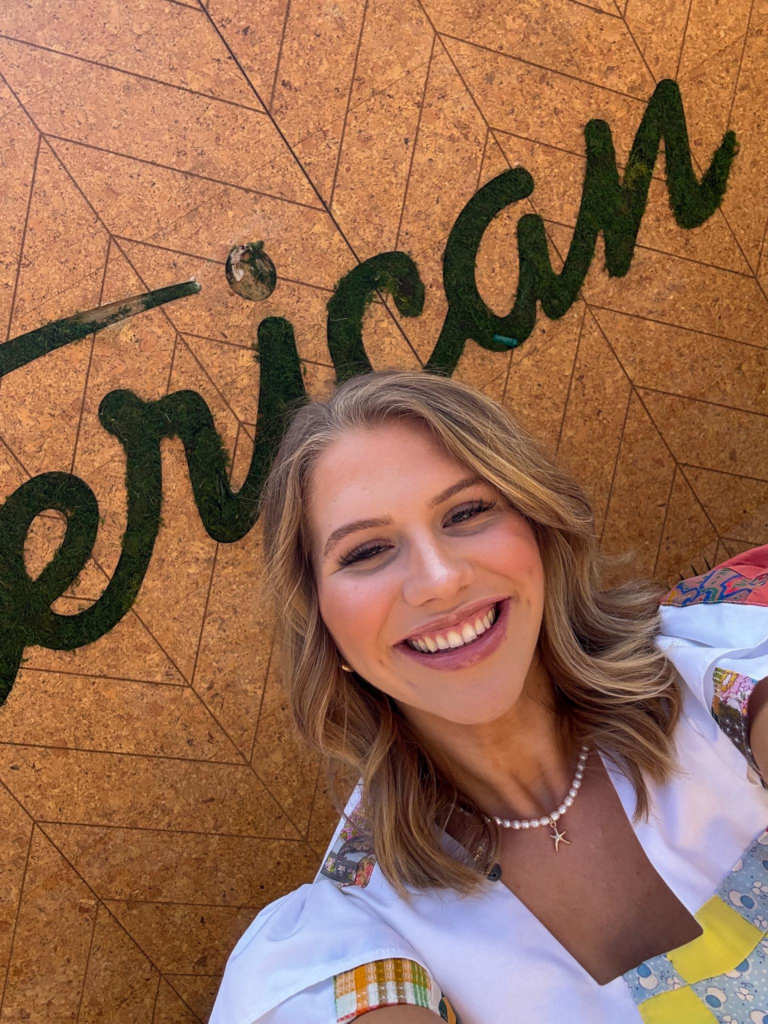
But perhaps the most overlooked consequence is internal. A contestant who never feels real danger may never be forced to evolve. Growth often comes from discomfort — from criticism, from fear, from the pressure to prove something new. Without that push, performances can plateau. They remain good… but never transform into something unforgettable.
And in a finale, “good” is rarely enough.
Finalists are not remembered for their consistency. They are remembered for their peaks — the performance that silenced a room, the risk that paid off, the moment that made people lean forward instead of sit back. Those moments don’t come from playing it safe. They come from stepping outside of it, even at the cost of potential failure.
Because in the end, the audience doesn’t crown the safest journey.
They crown the one that made them feel the most alive.
So while “safe every week” might look like control, it can quietly become stagnation. A path that avoids danger, but also avoids impact. A journey that moves forward, but never truly rises. And when the finale arrives — when only the most unforgettable stories remain — safety reveals its hidden cost.
It was never protection.
It was a slow fade no one noticed until it was too late.