
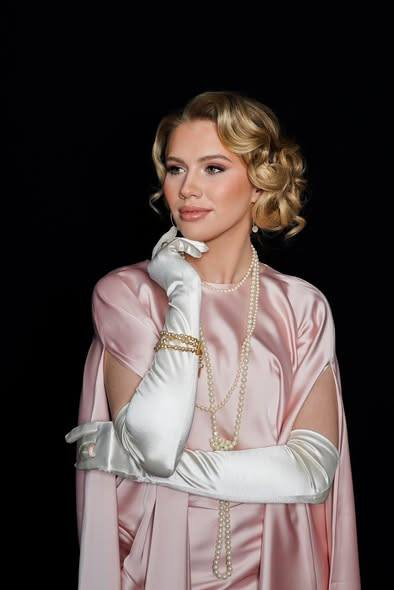
In every generation, certain voices rise above entertainment and become something far more meaningful. They become symbols of courage, healing, and transformation. Hannah Harper has rapidly become one of those names. While many know her for her moving presence connected to the American Idol stage and her growing recognition in music, her impact now reaches well beyond performances and applause. The question many are beginning to ask is simple: could Hannah Harper soon be recognized by TIME magazine among the 100 most influential figures in America?
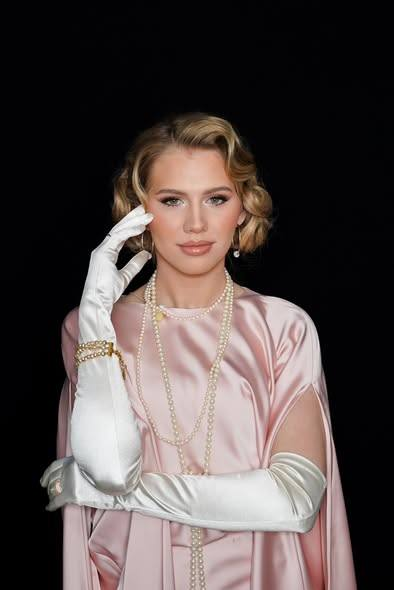
It is not a far-fetched question. In fact, it may be one of the most natural next steps in her remarkable rise. Influence today is no longer measured only by charts, headlines, or celebrity status. It is measured by the ability to move conversations, challenge silence, and inspire real change. By that standard, Hannah Harper has already entered a league many spend lifetimes trying to reach.
What makes Hannah different is that her story is not built on polished perfection. It is built on honesty. In an era where image often matters more than truth, she has chosen vulnerability. She has spoken openly about motherhood, emotional struggle, and the realities many women endure behind closed doors. Her advocacy for mothers battling postpartum depression has given voice to people who too often feel invisible.
That alone is powerful. But Hannah did not stop at awareness. She transformed personal testimony into public service. Through interviews, appearances, and heartfelt messaging, she has helped normalize conversations around maternal mental health. For countless women carrying pain in silence, hearing someone visible and respected speak with compassion can be life-changing. That kind of influence cannot be measured in numbers—it is measured in lives touched.
Her connection to faith has also become one of the defining pillars of her public identity. Hannah Harper represents a modern kind of spiritual leadership—one rooted not in judgment, but in grace. She speaks about faith as a source of strength, restoration, and hope. For audiences exhausted by division and negativity, that message lands with unusual force. It feels authentic because it comes from lived experience rather than performance.
Then there is her presence in music. While many rising stars focus solely on career momentum, Hannah has used music as an extension of mission. Whether through country, gospel, or emotionally driven storytelling, she has shown that songs can still heal. Her artistry is not separate from her advocacy—it amplifies it. Each performance becomes more than entertainment; it becomes a bridge between pain and hope.
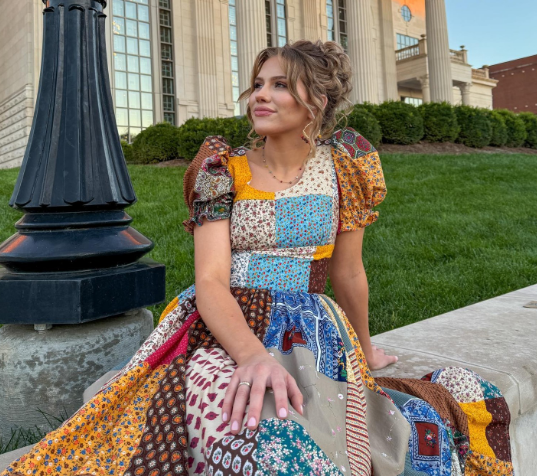
That blend of motherhood, faith, artistry, and advocacy is rare. It places Hannah Harper in a category beyond trend-based fame. She has become relatable to mothers, inspirational to younger audiences, comforting to those struggling, and admirable to those seeking purpose-driven leadership. Few public figures manage to connect across such different communities at once.
This is exactly the type of multidimensional influence TIME magazine has historically recognized. The publication’s annual lists often celebrate people who shape culture, challenge systems, and redefine leadership in their own way. Influence does not always mean political office or billion-dollar companies. Sometimes it means shifting the emotional climate of a nation. Sometimes it means making people feel seen. Sometimes it means starting conversations society has long avoided.
If Hannah Harper were named among the 100 most influential figures, it would symbolize more than personal success. It would be recognition for mothers who have felt unheard. It would honor mental health advocacy delivered with compassion. It would validate the idea that faith and tenderness still have a place in modern leadership. It would also signal that influence can emerge from sincerity rather than strategy.
Critics may argue that she is still early in her journey. But influence is not always about decades of legacy—it is often about momentum. There are moments when a person’s voice arrives exactly when the world needs it. Hannah’s rise feels like one of those moments. Her message meets people where they are: tired, overwhelmed, searching, and hoping for light.
There is also a cultural hunger right now for public figures who stand for something deeper. Audiences increasingly admire those who reveal humanity instead of hiding it. Hannah Harper has done that repeatedly. She has shown that strength can look maternal, healing can look spiritual, and leadership can sound gentle while still being powerful.
Whether TIME magazine ultimately places her name on its prestigious list remains to be seen. But the larger truth may already be settled. Recognition does not create influence—it acknowledges what already exists. And Hannah Harper’s impact is already visible in homes, conversations, communities, and hearts across the country.
So, will Hannah Harper be honored by TIME magazine? Perhaps. But even before any official title or cover story arrives, she has already achieved something rarer than recognition. She has become the kind of person people look to when they need courage, hope, and proof that pain can be transformed into purpose. In today’s world, that may be the most influential power of all.