
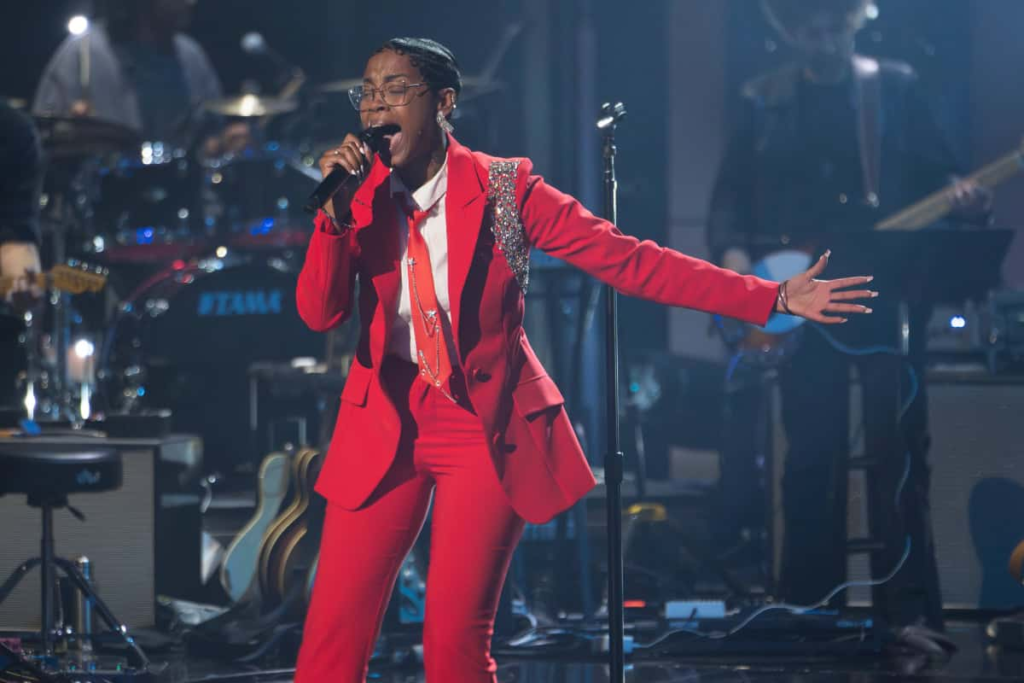
Some praise feels routine. Then there is the kind of praise that instantly changes the conversation. After Disney Night, Jennifer Hudson made it clear that one contestant rose above the rest vocally in her eyes: Keyla Richardson. In a night filled with big moments, polished performances, and emotional highlights, Jennifer’s words cut through the noise with unmistakable certainty. She believed Keyla was the strongest vocalist of the evening.
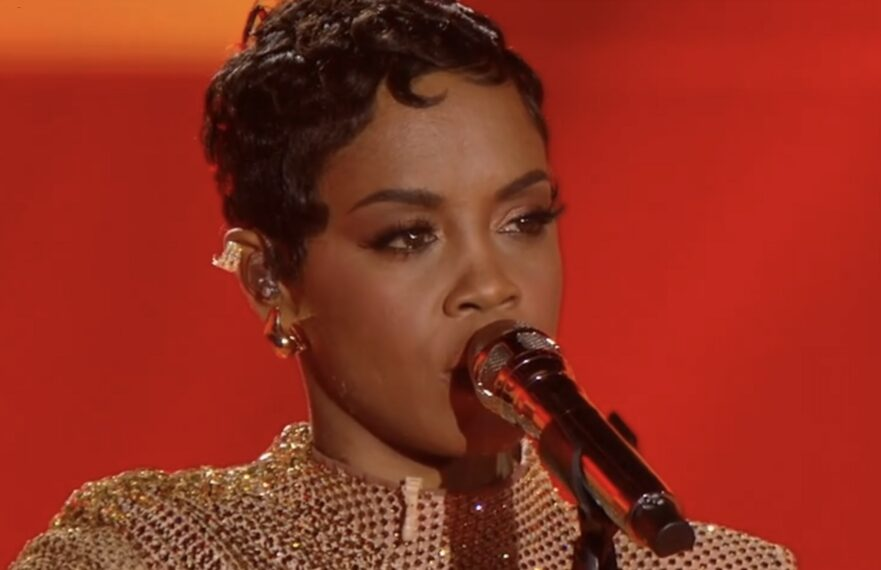
That statement matters because it did more than compliment a contestant. It elevated Keyla into a new category. In talent competitions, there is a difference between being good and being singled out by someone whose own voice has become synonymous with excellence. Jennifer Hudson is not known for casual praise. She understands what elite vocal ability sounds like, what control requires, and what emotional connection through song truly demands. When she speaks that directly, people listen.
According to Jennifer, Keyla’s performance was not simply solid or impressive—it was phenomenal. That word carries weight. It suggests more than technical accuracy. It implies presence, emotional reach, command, and the rare ability to make a performance feel larger than the stage it occupies. In one description, Jennifer framed Keyla not as someone surviving the round, but as someone defining it.
For viewers, Disney Night often creates a unique challenge. Contestants must honor familiar songs while still making them personal. Nostalgia can be powerful, but it can also trap performers into imitation. The most memorable contestants are the ones who balance recognition with originality. Jennifer’s reaction suggests that Keyla found that balance. She gave audiences what they loved about the song while adding enough of herself to make it unforgettable.
Jennifer also referenced that she “gave the shoe to the right person,” a playful but pointed endorsement that underscored just how strongly she felt about the moment. Whether symbolic or humorous, the message was clear: Keyla earned recognition through undeniable impact. In competition shows, small gestures often become shorthand for something bigger. This one signaled that Jennifer believed the performance deserved to be remembered.
Yet what made the exchange even more compelling was that Jennifer did not stop at praise.
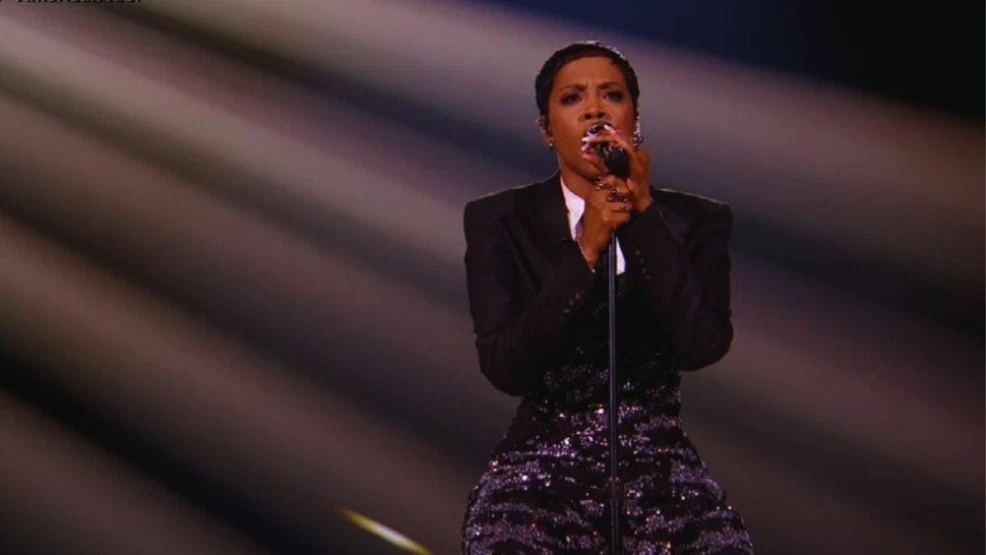
Great mentors know admiration alone is incomplete. Compliments celebrate the present, but advice protects the future. Jennifer reportedly shared important guidance for Keyla moving forward, hinting that while the talent is obvious, growth remains essential. That is often the most valuable kind of support a contestant can receive—someone acknowledging greatness while still challenging them to evolve.
Why does that matter? Because many gifted singers plateau when applause becomes comfortable. They rely on the very skills that first brought attention and stop developing the layers that create longevity. Jennifer’s advice likely recognized that Keyla’s voice may already open doors, but future rounds will require even more: storytelling, control under pressure, strategic song choices, emotional nuance, and moments that feel intimate as well as powerful.
This is where Keyla’s path becomes especially interesting.
When a contestant is labeled one of the best singers, expectations rise instantly. Audiences stop asking whether they are talented and start asking whether they are versatile. Can they surprise people? Can they strip things back when needed? Can they move from vocal fireworks to vulnerability? Can they make quiet moments just as gripping as loud ones? Praise creates momentum, but it also creates a new standard to meet.
Keyla Richardson now appears to be standing in that exact moment. She has the admiration of a major voice in the industry. She has a performance people are still discussing. She has momentum that many contestants spend an entire season chasing. But now she also carries the pressure of proving that Disney Night was not the peak—it was only a preview.
That challenge can become a gift if handled well.
Contestants who receive strong endorsements often gain confidence, and confidence changes everything on stage. It affects posture, expression, phrasing, risk-taking, and connection. When an artist knows respected professionals believe in them, they often perform with greater freedom. If Keyla channels Jennifer’s praise in that direction, viewers may see an even more dangerous competitor emerge in the weeks ahead.
There is also something broader at play here. Audiences are drawn to contestants who feel destined for more than the show itself. They want to sense that they are witnessing the early chapter of a larger story. Jennifer Hudson’s comments gave Keyla that kind of narrative boost. They suggested she is not merely another contestant in the lineup, but someone whose gifts command serious attention.
Of course, not everyone will agree she was the best of the night. That is the nature of music and competition. Different performances connect with different people. Some viewers prioritize technique, others emotion, others originality. But even disagreement proves the point: Keyla delivered a moment strong enough to spark debate. Quiet performances do not create these conversations.
What cannot be denied is that Jennifer Hudson’s endorsement reshaped the aftermath of Disney Night. Instead of asking who simply did well, many viewers began asking whether Keyla Richardson had separated herself vocally from the field. That is a powerful shift in perception—and perception often matters almost as much as performance.
Now the next step belongs to Keyla.
Can she build on this momentum? Can she turn one standout night into a pattern of excellence? Can she absorb the praise, use the advice, and keep growing under brighter lights? Those are the questions that define contenders.
One night can earn applause.
What comes next determines whether applause becomes legacy.