

There are voices that arrive like thunder, demanding attention in a single moment. Then there are voices that move differently—quietly, patiently, almost like a secret carried by the wind. Hannah Harper belongs to the second kind. Her vocal style does not crash through the room or chase applause through sheer volume. Instead, it draws listeners inward, asking them to come closer. In a world where louder is often mistaken for stronger, Hannah Harper’s delicate sound reveals a truth many forget: softness can hold immense power.
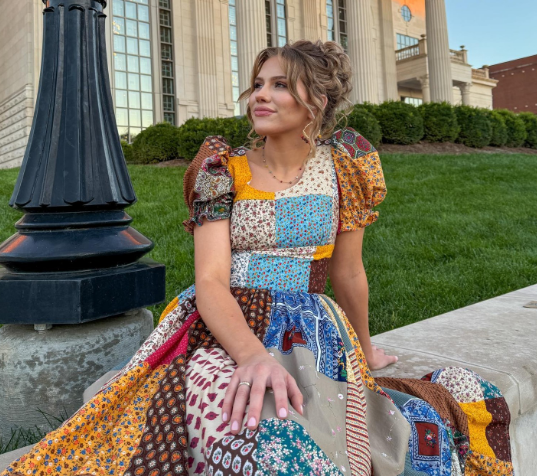
At first listen, some may describe her voice as gentle, airy, even fragile. But that first impression misses the architecture beneath the surface. What sounds effortless is often the result of rare control. To sing with tenderness while maintaining clarity, pitch, and emotional precision requires discipline that many stronger, louder singers never master. Delicacy is not the absence of strength—it is strength refined into something elegant.
One of the greatest gifts in Hannah Harper’s style is restraint. Many vocalists attempt to impress by adding runs, dramatic belts, or constant intensity. Hannah chooses a harder road. She knows when to pause, when to leave silence untouched, and when to let a single note linger longer than expected. That kind of restraint shows confidence. Only an artist secure in her abilities can resist the urge to oversell every line.
There is also an emotional intelligence woven into the way she sings. Some performers deliver lyrics as if they are simply reading lines from a page. Hannah sounds as if she has lived inside each word before releasing it. Her delicate tone becomes a vessel for vulnerability, longing, reflection, and tenderness. Listeners do not just hear the song—they feel invited into it. That is a rare talent, and it cannot be manufactured through technique alone.
Another hidden strength in her voice lies in intimacy. Many artists perform to the audience. Hannah Harper often sounds as though she is performing for one person. This creates a private atmosphere even in large spaces. Through headphones, in a car, or late at night, her voice can feel like a conversation meant only for the listener. That sense of closeness builds loyalty because people remember how an artist made them feel more than how loudly they sang.
Her softness also allows nuance to breathe. In powerful, explosive performances, subtle details are often buried beneath intensity. Hannah’s style gives room for tiny emotional shifts—a breath before a chorus, a slight crack of feeling, a near-whisper that says more than a scream ever could. These details become the fingerprints of authenticity. They remind listeners that real emotion is rarely neat, and true connection often hides in the smallest moments.
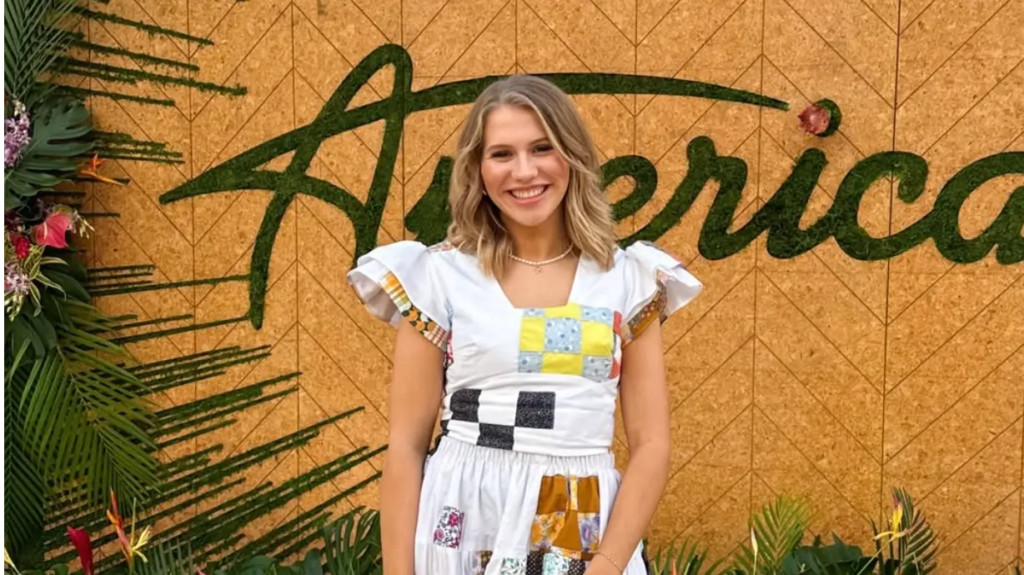
There is courage in singing delicately. Loud voices can sometimes use force as armor, but soft singing leaves little to hide behind. Every imperfection, every breath, every emotional shade is exposed. To sing this way requires vulnerability, and vulnerability is one of the bravest artistic choices possible. Hannah Harper’s style shows that courage is not always dramatic. Sometimes courage sounds like honesty delivered in a trembling note.
Her voice also possesses a timeless quality because it avoids trends built on excess. Musical eras come and go. Production styles shift. Vocal fashions change. But sincerity never expires. A delicate voice rooted in emotion can travel across years because it speaks to something deeper than trend cycles. Hannah’s style has the potential to outlast louder moments because authenticity ages beautifully.
For younger artists, there is an important lesson in what she represents. Many emerging singers believe they must overpower others to be noticed. They think success demands bigger notes, louder choruses, and constant spectacle. Hannah Harper offers another path. She proves that identity matters more than imitation. A singer who understands their own tone, emotional lane, and artistic truth can become unforgettable without ever shouting for attention.
What makes her style especially compelling is contrast. Because she often sings with softness, any slight rise in intensity feels monumental. When she leans into a fuller note or opens the emotion wider, the moment lands harder because it has been earned. This is storytelling through dynamics. She understands that power means more when it arrives after patience.
Listeners are increasingly hungry for sincerity in an overstimulated age. Noise surrounds modern life—constant updates, endless opinions, performances built for algorithms. Against that backdrop, Hannah Harper’s delicate vocal presence can feel like relief. It reminds people to slow down, listen carefully, and reconnect with emotions they may have ignored. That is not a small gift. It is a necessary one.
In the end, the hidden strength inside Hannah Harper’s vocal style is not hidden at all once you truly listen. It lives in control, restraint, vulnerability, intimacy, nuance, and truth. Her voice may arrive softly, but it stays long after louder sounds have faded. And perhaps that is the deepest kind of strength any artist can possess—the ability to whisper something unforgettable into a noisy world.