
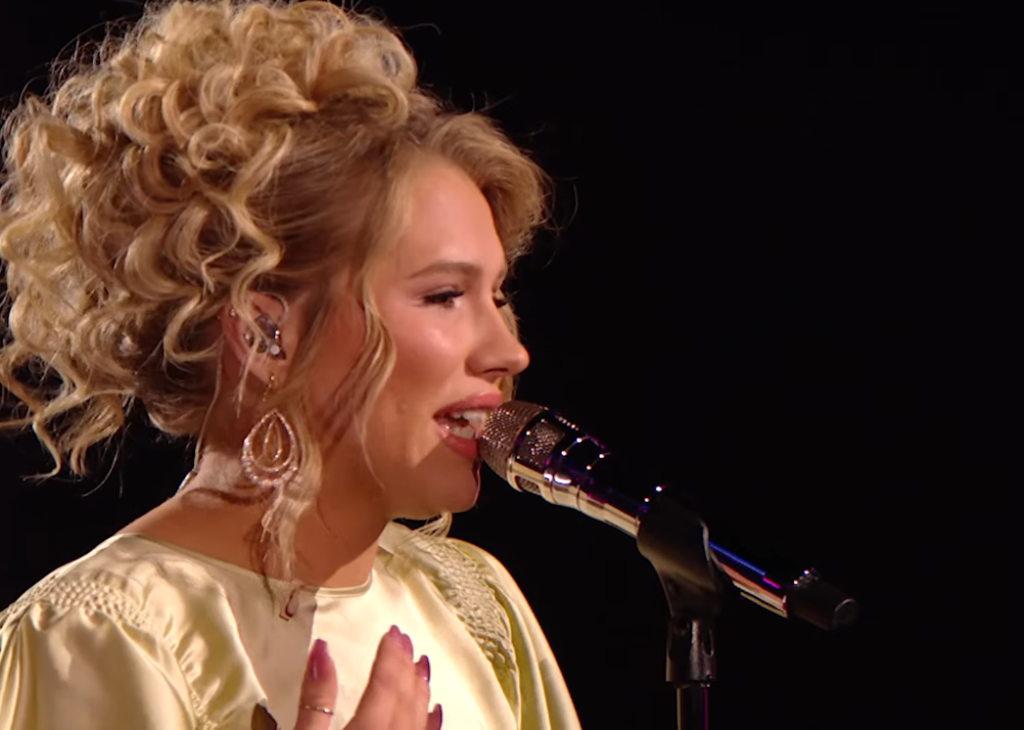
The moment Hannah Harper won American Idol 2026, the conversation split almost instantly. For some viewers, it felt emotionally inevitable, the culmination of a season built on honesty, vulnerability, and human connection. For others, it felt like the show had rewarded storytelling over pure vocal superiority. And somewhere between those two reactions emerged a fascinating reality: Hannah may have become the most divisive winner the franchise has seen in years.
What made the divide so intense was that both sides had valid arguments.
Supporters believed Hannah represented something modern audiences desperately crave: authenticity. She didn’t perform like someone trying to dominate a stage technically. She performed like someone trying to survive emotionally inside it. Her motherhood, openness about personal struggles, and emotionally transparent performances created an unusually deep connection with viewers who saw pieces of themselves reflected in her journey.
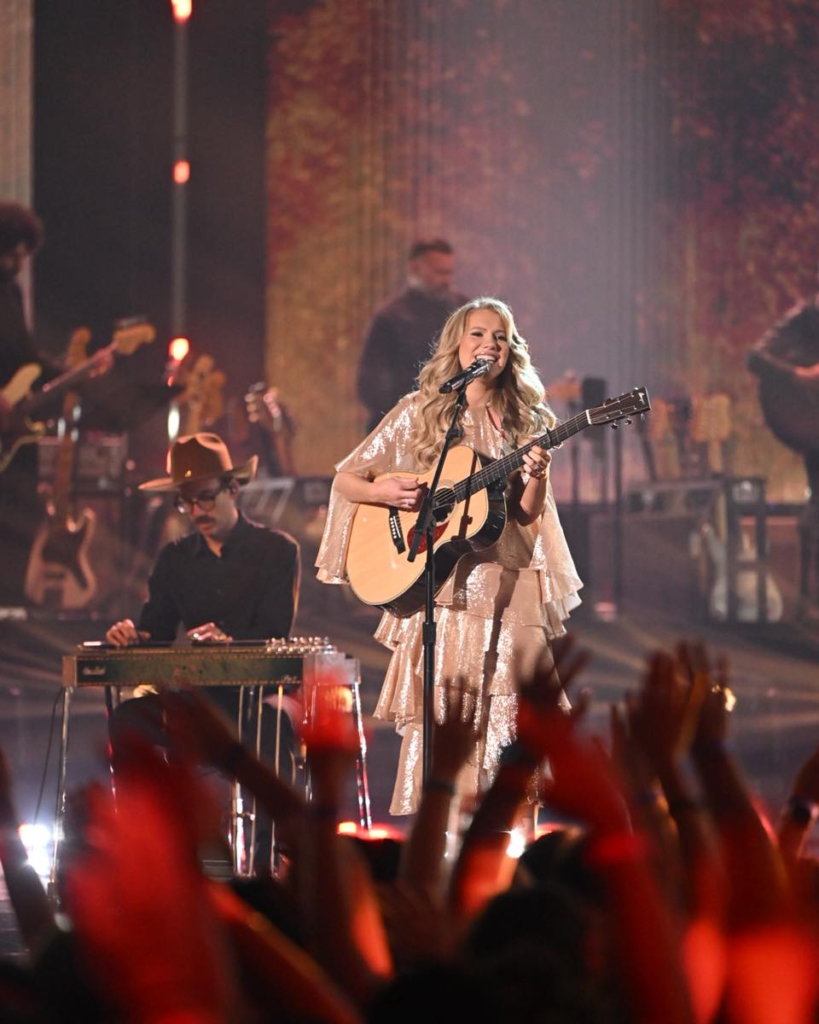
But critics saw something entirely different.
To them, American Idol was fundamentally a vocal competition, not an emotional referendum. Week after week, they pointed toward contestants with wider vocal ranges, cleaner runs, stronger technical control, and more consistent live precision. In their eyes, Hannah was compelling, yes—but not necessarily the strongest singer remaining. For these viewers, her victory symbolized a growing shift away from vocal excellence toward emotional relatability.
That tension reveals something much larger happening inside entertainment culture itself.
Audiences no longer consume talent the same way they once did. Technical mastery alone rarely dominates public affection anymore. People increasingly gravitate toward emotional realism, visible vulnerability, and personalities that feel psychologically accessible. Hannah’s success didn’t happen despite this cultural shift. It happened because of it. She represented emotional familiarity during a time when polished perfection often feels emotionally distant.
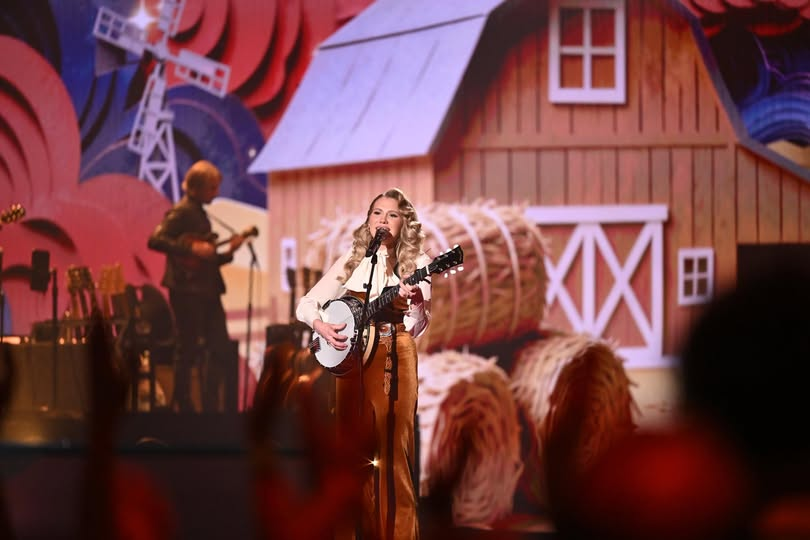
And perhaps that is why debates around her became so unusually passionate.
Fans defending Hannah rarely argued using technical language. They talked about “connection,” “truth,” and “feeling something.” Meanwhile, critics relied heavily on measurable skill: breath support, vocal strength, consistency, range, control. It became less of a debate about one contestant and more of a philosophical argument about what audiences value most in modern entertainment.
Should the best vocalist always win?
Or should the artist who emotionally reaches people most deeply take the crown instead?
Hannah Harper forced viewers to confront that question directly. Her performances often lacked the explosive theatrics associated with traditional singing competitions. She rarely chased vocal gymnastics for applause. Instead, she leaned into restraint, emotional storytelling, and subtle vulnerability. To some viewers, that restraint felt deeply powerful. To others, it felt insufficient for a winner.
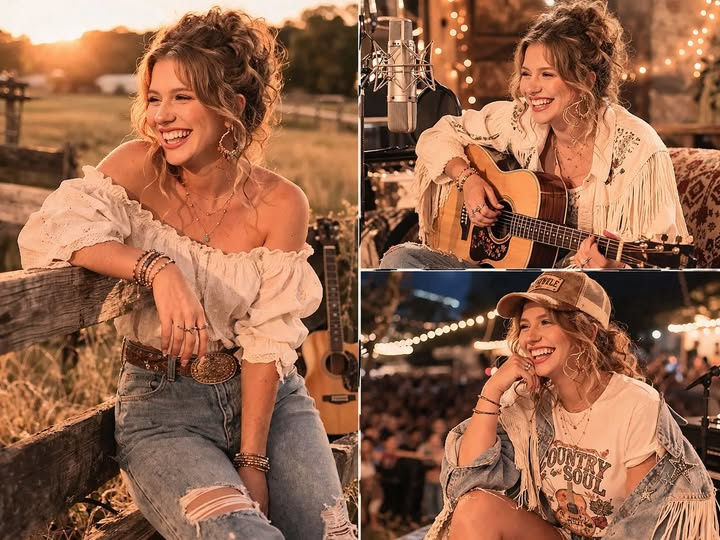
Ironically, the criticism may have strengthened her cultural impact.
The most unforgettable reality television figures are rarely the ones everyone agrees on. Consensus creates admiration, but division creates conversation. Hannah’s win generated something much stronger than temporary applause: ongoing emotional investment. People debated her because they felt something about her, whether positive or negative. Indifference never entered the equation.
There was also an underlying class and cultural dynamic quietly shaping reactions. Hannah embodied a grounded, working-life authenticity that many audiences found comforting. She looked less like a polished entertainment product and more like someone pulled directly from ordinary American life. For supporters, that realism felt refreshing. For critics, it sometimes blurred the line between emotional relatability and competitive merit.
In the end, Hannah Harper’s victory may say less about singing competitions and more about America itself. A country emotionally exhausted, increasingly skeptical of perfection, and searching for sincerity wherever it can still find it. Some viewers wanted flawless vocals. Others wanted emotional truth. Hannah happened to represent the second group more powerfully than almost anyone else all season. And whether people celebrated that or criticized it, one thing became impossible to deny: nobody watched her without feeling something.