
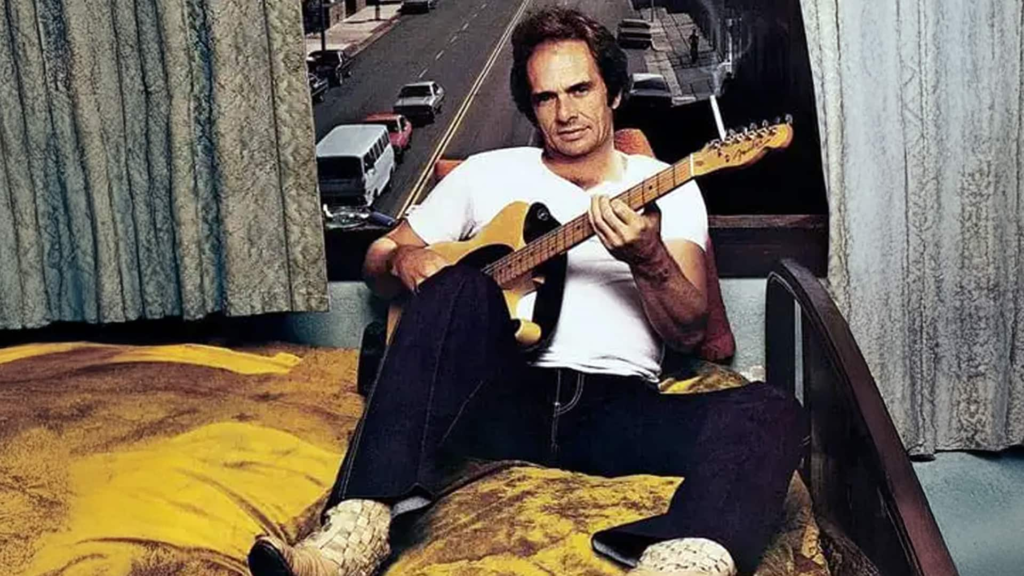
Merle Haggard never needed flashy production, social media hype, or stadium-sized spectacle to make people listen. The moment he opened his mouth, you believed him. That was his gift. He didn’t sing country music like a performer trying to impress an audience. He sang like a man telling the truth because it was the only thing he knew how to do.
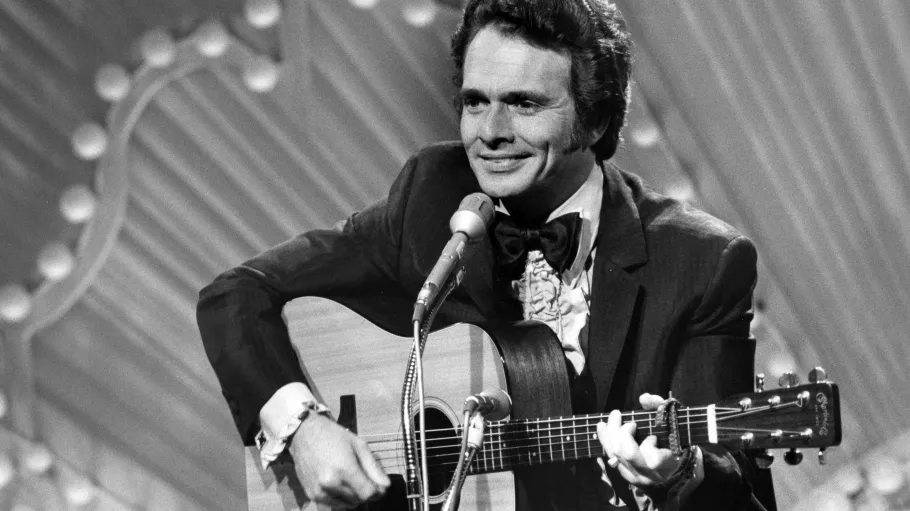
That honesty is what made songs like “Mama Tried,” “Working Man Blues,” and “Silver Wings” hit so deeply. They were not polished fairy tales. They were stories about mistakes, regret, loneliness, survival, and ordinary people trying to make it through another day. Merle understood struggle because he lived it long before the world knew his name.
There was always something weathered in his voice. Even at his peak, Haggard sounded like a man carrying years on his shoulders. That rawness became part of the music itself. Fans did not just hear his songs. They saw themselves inside them.
Country music has produced countless legends, but Merle stood apart because he never sounded manufactured. He was not chasing trends. He was the trend. While others adapted to the industry, the industry often bent around him.
And maybe that is why his music still feels alive decades later.
You can hear pieces of Merle Haggard in many modern artists today. Some carry his blue-collar storytelling. Others borrow his stripped-down honesty or traditional country sound. Artists like Zach Top, Jamey Johnson, Cody Jinks, and even moments from Riley Green sometimes remind listeners of that old-school sincerity Merle carried so naturally.
But resemblance is not the same as replacement.
The truth is, Merle Haggard came from a very specific kind of America. An America built around hard labor, dusty highways, prison scars, dive bars, broken homes, and second chances. He turned those experiences into poetry without ever making them feel overly dramatic.
That balance is almost impossible to recreate now.
Today’s country industry moves faster than ever. Viral clips, streaming numbers, image branding, and algorithms often shape careers before artists fully shape their identities. Merle belonged to a generation where songs had to survive on substance alone. If the lyrics were not real, people could feel it immediately.
And Merle’s lyrics always felt real.
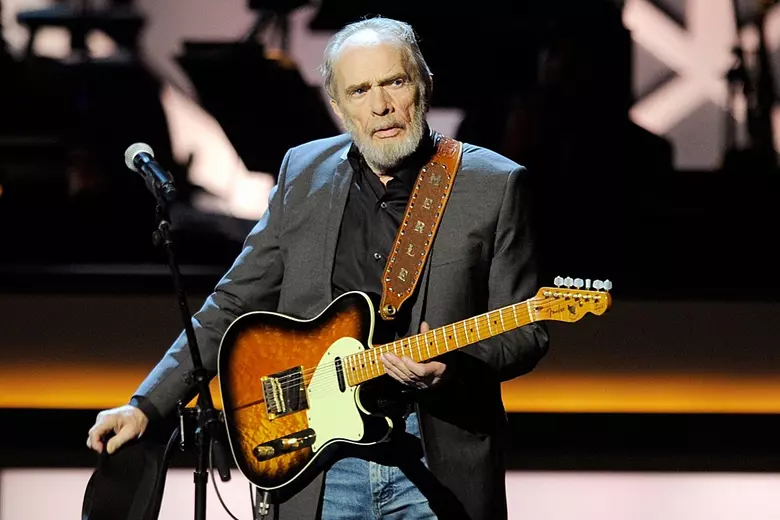
What also made him unforgettable was his ability to sound tough and vulnerable at the exact same time. One song could make you want to roll the windows down on a backroad at midnight. The next could leave you sitting quietly thinking about every mistake you ever made.
Very few artists have ever balanced strength and heartbreak so naturally.
Even now, years after his passing, younger country singers continue studying his phrasing, songwriting, and storytelling structure. Not because they want to copy him, but because they understand what Merle represented. Authenticity. Simplicity. Humanity.
Those things never go out of style.
Maybe another artist will eventually come close to carrying that same spirit. Country music always evolves, and every generation finds new voices that speak for ordinary people. But legends like Merle Haggard are rare because they become bigger than music itself. They become emotional landmarks in people’s lives.
That is why fans still talk about him the way they do.
Not just as a singer.
Not just as a songwriter.
But as a voice that understood people when they felt misunderstood by the rest of the world.