
In the theater of professional sports, we are conditioned to measure impact by statistics: the precise trajectory of a strike, the desperation of a goal-line clearance, or the tactical rigidity of a manager’s blueprint. We expect the heroes of the evening to be those who have exerted the most physical effort, those whose jerseys are stained with grass and sweat. Yet, in a bizarre, captivating inversion of this norm, the defining image of the match did not belong to a player who had just completed ninety minutes of battle. Instead, the night belonged to a man wearing a civilian tracksuit, nursing a Grade 2 calf injury from the sidelines, and unable to contribute a single second of on-field magic.
When the final whistle signaled the end of the contest, the natural instinct of the players would usually be to collapse in exhaustion or seek out their teammates for a post-match embrace. Instead, a peculiar magnetism took hold. Before the sweat had even cooled on the brows of the victorious and the defeated, a singular, gravity-defying movement began. Players from both sides, members of the Panamanian coaching staff, and virtually the entire Panamanian squad converged upon the bench area. They weren’t looking for jersey swaps with rivals; they were looking for a piece of the man who hadn’t touched the grass: Neymar Jr.
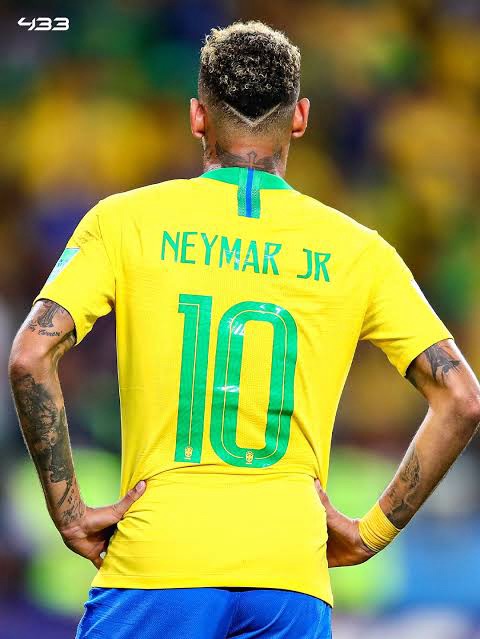
This was not merely a case of fans in cleats seeking an autograph; it was a profound acknowledgement of a living legend. Neymar sat with the quiet resignation of an athlete sidelined, yet he carried the aura of a king holding court. For the onlookers, the scoreline of the match had become an irrelevant footnote. What mattered was the proximity to greatness, a momentary intersection with a player whose career has been defined by a flair that transcends borders, tactics, and even the result of the immediate game. It was a scene that defied the cold, hard logic of the box score.
The backdrop to this moment is the colossal anticipation surrounding Ancelotti’s 26-man World Cup roster. The confirmation of Neymar’s place in the squad acted as a spark for a nationwide celebration in Brazil, igniting hope and nostalgia in equal measure. This tournament represents more than just another trophy hunt; it is widely viewed as the swan song for a superstar who has carried the weight of a football-obsessed nation on his shoulders for over a decade. The weight of this “final chapter” narrative turned him into a living monument, even while his calf remained in recovery.
There is a distinct, almost melancholic beauty in watching a generational talent reach the final stages of his career. As Neymar navigates the physical toll of a sport that has asked everything of his body, he has transitioned from being merely a player into an archetype. He is no longer just a striker or a playmaker; he is the embodiment of a particular style of joy and audacity—the Joga Bonito spirit—that people fear is fading from the modern game. To stand next to him, even for a fleeting selfie, is to capture a piece of footballing history before it inevitably departs the stage.
One must wonder what went through the minds of the Panamanian squad as they approached him. For many of these athletes, Neymar represents the zenith of the profession. He is the player they grew up idolizing, the one whose YouTube compilations they studied in their youth, and the one whose audacity they tried to emulate on local pitches. In that moment of post-match connection, the hierarchy of the professional game vanished. The distinction between professional rival and humble admirer dissolved, replaced by a universal, human recognition of brilliance.
The optics of the scene were, to put it mildly, surreal. While the match officials signaled the end of the match and the stadium lights shimmered over the empty grass, the center of gravity remained locked on the sideline. The most photographed person in the arena was not the man of the match, nor the goal scorer, but the injured passenger. It was a testament to the fact that sports, at their best, are not just about the victory of one side over another, but about the preservation of moments and the reverence for those who made the game worth watching.
This incident serves as a sharp reminder that the narrative of a match is rarely confined to the sixty or ninety minutes of regulation time. The stories that linger in our memories are often the ones that catch us off guard, the ones that defy our expectations of what a football match should look like. A stadium full of people waiting for a chance to stand beside an injured icon tells a more compelling story about the state of the game than any tactical breakdown or post-game analysis ever could.
As we look toward the World Cup, we are forced to confront the reality that the spectacle is nearing its conclusion. The images of players lining up for photos with Neymar offer a preview of the emotional landscape we will likely see throughout the tournament. He is a man being celebrated before his departure, a figure who commands the room—or in this case, the entire stadium—simply by being present. His influence has clearly outgrown the need for him to actually kick a ball to command the world’s attention.
Ultimately, the match in question will be forgotten by most, its score blurred by the relentless passage of time. But the image of the injured man surrounded by those who admire his legacy will remain etched in the collective consciousness of those who were there. It is a powerful reminder that while we cheer for the score, we stay for the icons. Neymar wasn’t playing in the match, yet he stole the show, proving that for the truly great, the game is never really confined to the pitch.