
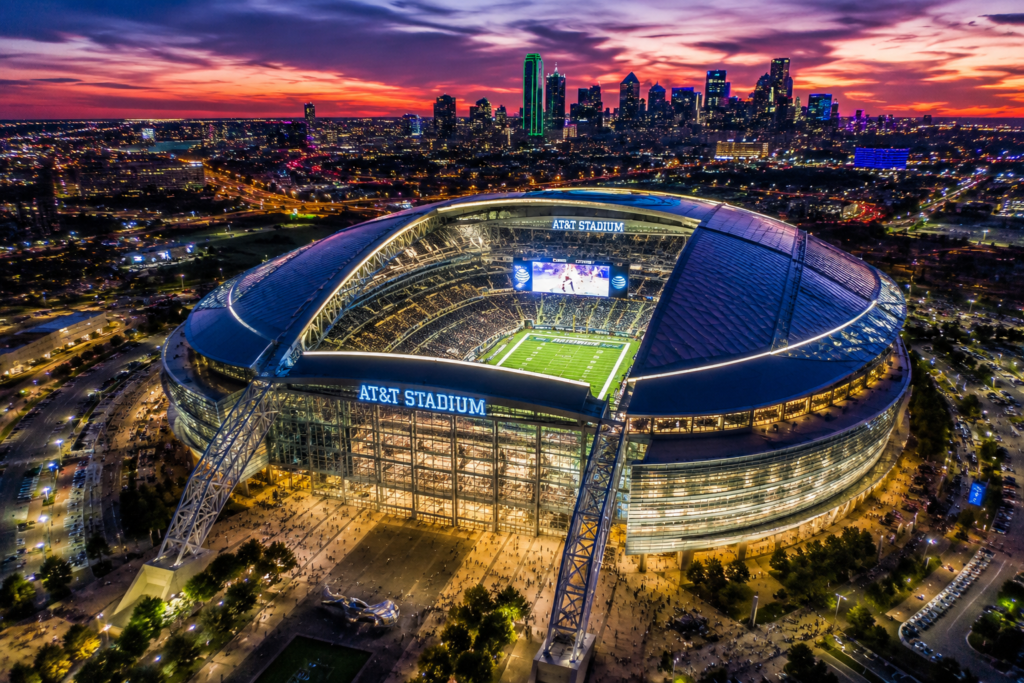
The countdown to the 2026 FIFA World Cup is officially underway, and while fans are focused on star players, group-stage drama, and championship predictions, something equally impressive is happening behind the scenes.
Across North America, host stadiums are embracing a new era of sustainability. From solar-powered operations to cutting-edge waste reduction systems, many venues are undergoing significant upgrades designed to reduce environmental impact while creating a smoother experience for millions of visitors.
These improvements won’t just benefit the tournament. They could permanently change how major sporting events are hosted for decades to come.
The Green Standard
The 2026 World Cup is expected to become one of the largest sporting events in history, spanning multiple countries and welcoming millions of international visitors.
With such enormous scale comes environmental responsibility.
Tournament organizers and stadium operators have increasingly focused on sustainable infrastructure, energy efficiency, waste reduction, and environmentally conscious operations. Many venues have pursued recognized green building standards and sustainability initiatives designed to lower carbon emissions while improving long-term efficiency.
Rather than constructing dozens of brand-new facilities, organizers have also emphasized using and modernizing existing stadiums whenever possible, reducing the environmental footprint associated with large-scale construction.
This approach represents a major shift in how global sporting events are planned and executed.
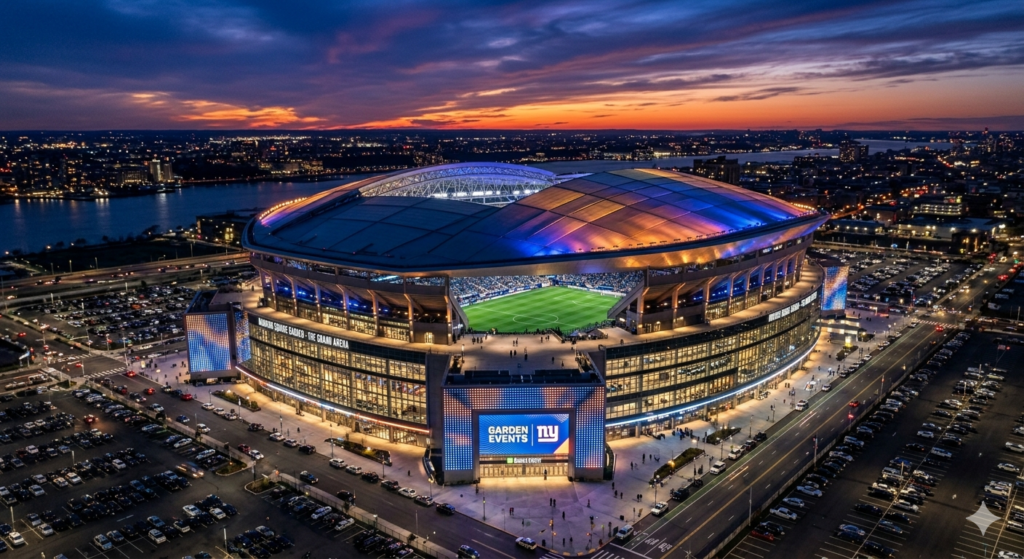
Solar Energy Innovations
One of the most exciting developments involves the growing use of solar power technology at major sports venues.
Modern stadiums consume enormous amounts of electricity during events. Lighting systems, giant video boards, broadcasting equipment, concessions, security operations, and climate control systems all require significant energy.
To address this challenge, several North American venues have invested in:
- Rooftop solar panel installations
- Solar-powered parking structures
- Battery energy storage systems
- Smart energy management technology
- Renewable energy partnerships
These innovations help reduce dependence on traditional power sources while lowering operating costs over time.
Some facilities can generate substantial portions of their event-day electricity needs through renewable energy systems, helping create a cleaner and more sustainable game-day experience.
For fans watching from home, it means that portions of the massive broadcast infrastructure powering the tournament may be supported by renewable energy rather than conventional energy sources.
Waste Reduction Tech
Managing waste during a global tournament is one of the biggest logistical challenges organizers face.
Over the course of the competition, millions of fans will purchase food, beverages, merchandise, and souvenirs, creating an enormous amount of trash if not managed properly.
To combat this problem, many stadiums are adopting advanced waste management systems designed to maximize recycling and composting rates.
These programs often include:
Smart Sorting Stations
Clearly marked collection points help fans separate recyclable materials, compostable items, and landfill waste.
Compostable Food Packaging
Many concessions are transitioning toward environmentally friendly containers and utensils that can be composted after use.
Behind-the-Scenes Waste Processing
Advanced sorting systems help stadium operators recover reusable materials more efficiently than traditional waste programs.
Food Waste Diversion
Unused food and organic materials can often be redirected into composting systems rather than landfills.
Together, these initiatives significantly reduce the environmental impact of hosting massive international events.
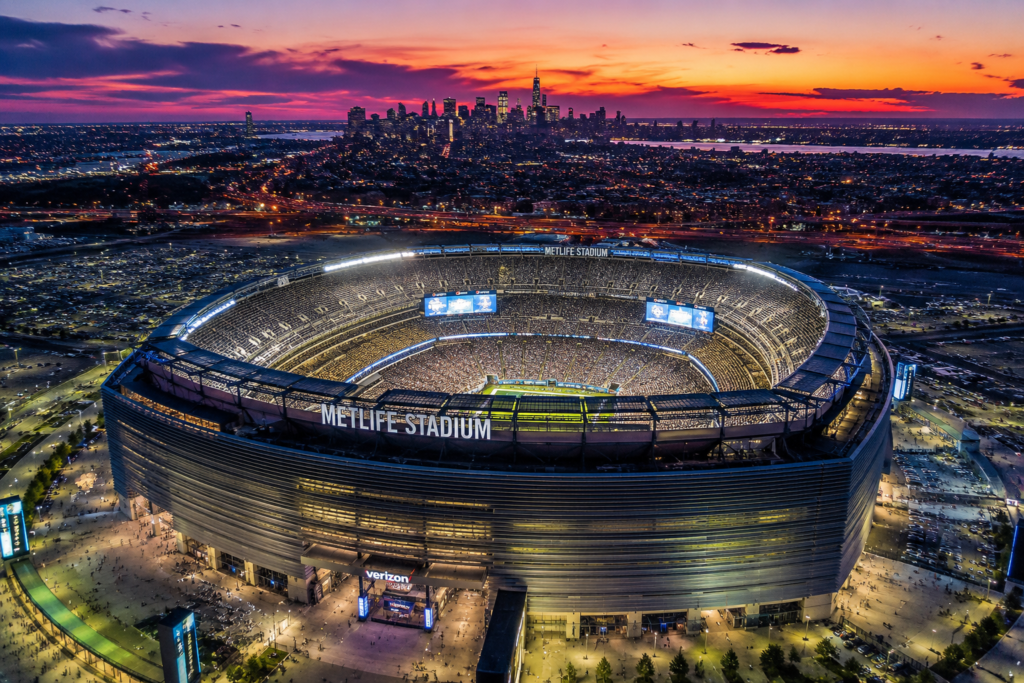
The Fan Experience Gets Better Too
Sustainability improvements aren’t just good for the planet.
They’re also making the fan experience noticeably more convenient.
Many modern stadium upgrades include smart technologies that improve operational efficiency throughout the venue.
Benefits can include:
Faster Entry Lines
Digital ticketing systems and streamlined security processes help move fans through entrances more quickly.
Shorter Concession Waits
Mobile ordering platforms and upgraded point-of-sale technology reduce time spent standing in line.
Improved Crowd Flow
Modern venue designs help distribute visitors more effectively throughout the stadium.
Better Facility Management
Smart energy and infrastructure systems allow operators to respond more quickly to crowd demands and changing conditions.
For fans attending matches, the result is more time enjoying the game and less time waiting.
A Lasting Legacy Beyond the World Cup
Perhaps the most important aspect of these sustainability projects is what happens after the final whistle.
Unlike temporary tournament infrastructure, many of these upgrades will remain in place long after the World Cup concludes.
That means local sports fans could continue benefiting from:
- Improved stadium amenities
- Lower venue operating costs
- Enhanced sustainability programs
- Better energy efficiency
- More environmentally responsible game-day experiences
NFL teams, MLS clubs, college football programs, and concert promoters will all have access to facilities that are more modern, efficient, and environmentally friendly.
The impact could extend far beyond soccer.
The Future of Sports Is Sustainable
The 2026 World Cup represents more than just a championship tournament.
It’s becoming a showcase for how major sporting events can embrace sustainability without sacrificing excitement, convenience, or fan experience.
From solar-powered energy systems to advanced recycling technologies and smarter stadium operations, host venues are proving that environmental responsibility and world-class entertainment can go hand in hand.
As millions of fans prepare to watch the world’s biggest sporting event, they may also be getting a glimpse into the future of stadium design.
And if these innovations prove successful, future generations of sports fans could enjoy cleaner, greener, and more efficient venues for years to come.