

Country music has always been about more than chart-topping songs and sold-out arenas. At its heart, it is a genre built on storytelling, tradition, and respect for the people who paved the way. While fans often celebrate new albums, rising stars, and unforgettable performances, one of country music’s most enduring traditions happens in quieter moments—when artists pause to honor the legends whose voices and lives shaped the genre long before them.
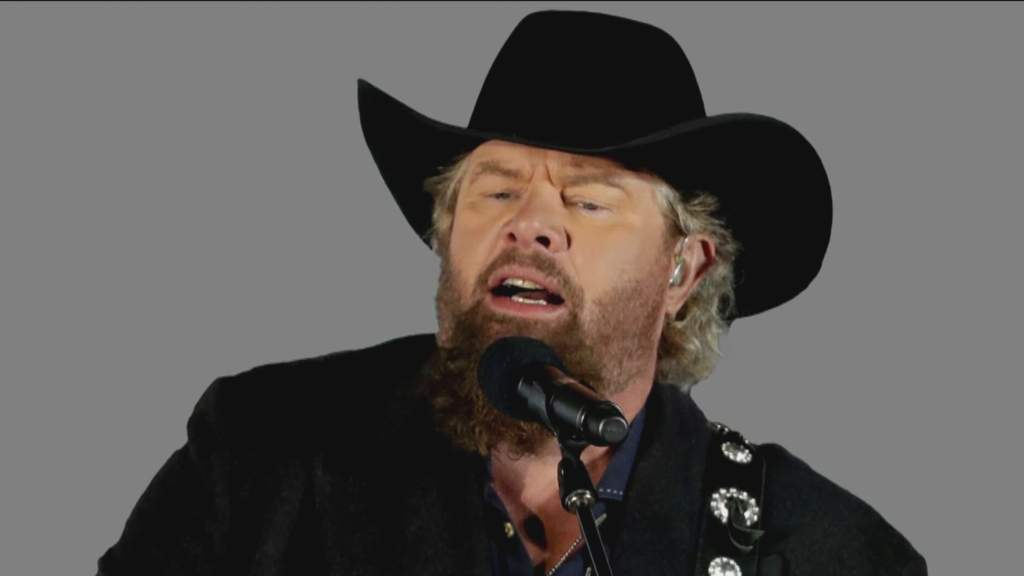
Unlike many forms of entertainment that constantly chase the next big thing, country music has maintained a remarkable connection to its roots. Every generation of artists inherits more than melodies and lyrics; they inherit a responsibility to preserve the stories, values, and musical traditions that made country music what it is today. That sense of continuity has become one of the genre’s defining strengths.
The tributes come in countless forms. Sometimes they appear through heartfelt performances of classic songs that introduce timeless music to younger audiences. Other times, they arrive in acceptance speeches where artists humbly acknowledge the singers who inspired them to pick up a guitar or step behind a microphone. Even simple conversations during interviews often reveal just how deeply today’s performers admire the icons who came before them.
Alan Jackson has long embodied this tradition of gratitude. Throughout his career, he has spoken openly about the influence of country music’s pioneers, never hesitating to recognize the artists whose work inspired his own path. Rather than presenting himself as someone who reinvented the genre, Jackson has consistently described himself as one link in a much longer chain—a musician fortunate enough to build upon foundations created by others.
That humility has become one of the qualities fans admire most about him. Whether performing classic songs during tribute events or speaking warmly about legendary performers in interviews, Jackson has shown that honoring the past is not an obligation but a privilege. His respect extends beyond music itself, reflecting an appreciation for the perseverance, craftsmanship, and authenticity that defined earlier generations of country artists.

Those earlier generations faced challenges very different from today’s performers. Many traveled thousands of miles in aging buses, performed in modest venues, and built loyal audiences one town at a time. They created careers through relentless touring, word of mouth, and genuine connections with listeners. Without modern technology or social media, they relied almost entirely on the power of their songs and the sincerity of their performances.
Because of those sacrifices, today’s artists enjoy opportunities that once seemed unimaginable. Every major concert venue, every celebrated music festival, and every prestigious award show exists in part because pioneers dedicated their lives to growing country music into a global phenomenon. Remembering those contributions helps ensure that success is viewed not simply as individual achievement but as part of a shared history.
Perhaps the most moving tributes are the ones that happen away from television cameras. Many artists privately mentor younger musicians by sharing stories about the legends they once knew personally. Backstage conversations, rehearsal rooms, and songwriting sessions often become places where memories are passed from one generation to the next. In those moments, the legacy of country music continues to grow naturally, preserved through personal relationships as much as public performances.
Fans also play an essential role in keeping these legacies alive. Every time someone introduces a child to an old country record, shares a favorite performance online, or tells the story behind a classic song, they become part of that tradition. The audience does more than listen—they become caretakers of memories that might otherwise fade with time. This unique relationship between artists and fans has helped country music maintain a deep sense of continuity across generations.
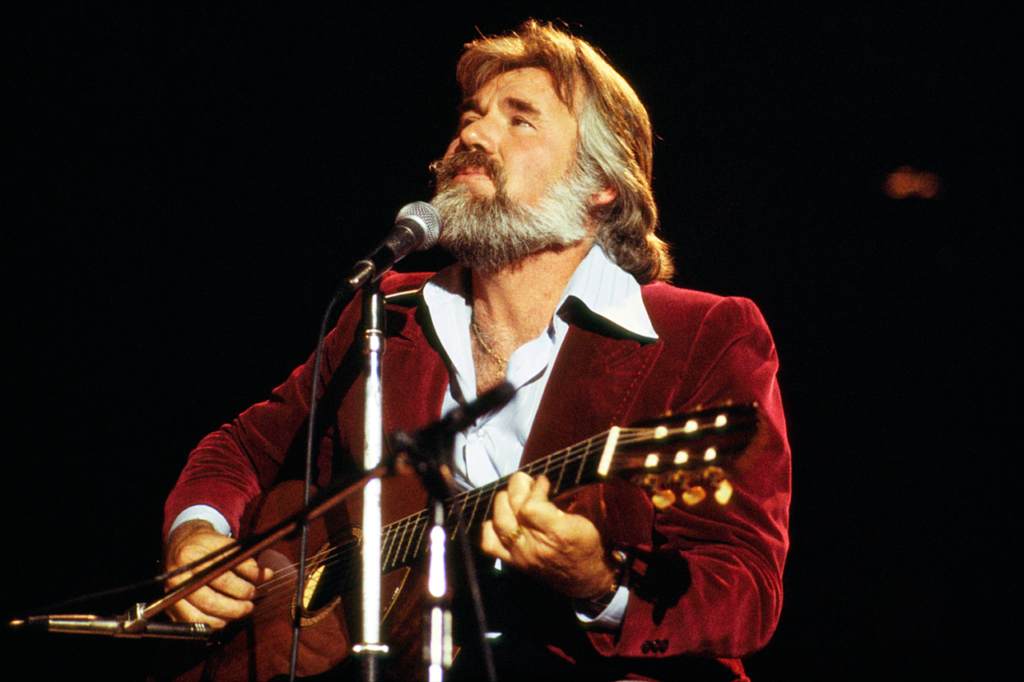
One reason this tradition resonates so strongly is because country music has always reflected real life. Its songs explore love, heartbreak, faith, family, resilience, and hope—experiences that never lose their relevance. The legends who first sang about these universal emotions continue to speak to listeners decades later because human stories rarely change, even as the world around them evolves.
Alan Jackson’s enduring respect for those pioneers reminds us that greatness is rarely achieved in isolation. Every successful artist stands upon the work of countless others who wrote songs, opened doors, challenged expectations, and kept believing in country music during times when its future was uncertain. Recognizing that truth enriches every performance and deepens every achievement.
The tradition of honoring legends also strengthens the bond between generations of musicians. Young performers who witness established artists paying tribute quickly learn that success involves more than awards and album sales. It also requires gratitude, humility, and a willingness to preserve the heritage that makes country music unique. These values help ensure that the genre remains grounded even as it continues to evolve.
In an industry often driven by constant change, country music has quietly protected something invaluable: its memory. While styles may shift and new voices emerge, the stories of those who built the genre remain present through songs, tributes, and heartfelt acknowledgments. That enduring respect creates a sense of family unlike any other, where each generation recognizes it has inherited something worth protecting.
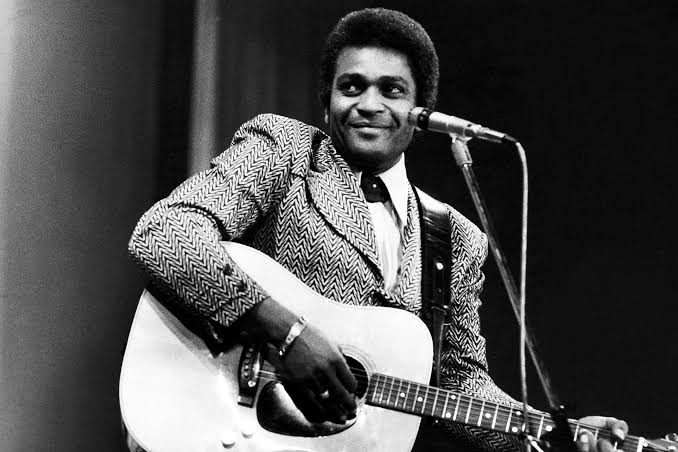
Perhaps that is why tributes within country music carry such emotional weight. They are not performances designed merely to revisit the past; they are expressions of gratitude that connect yesterday’s pioneers with today’s artists and tomorrow’s dreamers. Every tribute says the same simple but powerful thing: your music still matters, your influence still lives, and your legacy continues to inspire.
In the end, the greatest legends never truly leave country music. They remain in every familiar melody sung by a new generation, every standing ovation during a tribute performance, every heartfelt story shared from the stage, and every artist who pauses to acknowledge the shoulders upon which they stand. As long as country music continues to honor its roots with the same sincerity shown by artists like Alan Jackson, the voices that built the genre will never fade—they will continue echoing through every generation that follows.