

The father your grandfather knew is very different from the father children know today.
There was a time when fathers seemed to belong to the edges of family photographs. They stood slightly apart, their hands rough from work, their expressions reserved beneath the weight of responsibility. Children often knew the sound of their footsteps before they knew the softness of their voice. In those years, love was rarely spoken. It arrived in packed lunches, repaired roofs, and long days that began before sunrise and ended after darkness had already settled over the house.
The front door carried a certain ceremony. Every evening it opened with a familiar creak, and tired shoulders crossed the threshold carrying the invisible burdens of the world outside. A child might glance up from the living room floor, catching only a brief smile before dinner was served and silence returned. Affection existed, but it traveled quietly through duty rather than conversation.
As the decades drifted forward, something almost imperceptible began to change. The world outside the home moved faster, and so did the lives within it. The old definitions of strength started to loosen their grip. Fathers who had once been taught to hide every emotion found themselves lingering a little longer at bedtime, listening to stories, answering questions, and discovering that presence could be just as valuable as provision.

Morning light began revealing scenes that previous generations rarely witnessed. A father tying tiny shoelaces before school. A father learning the rhythm of a baby’s cry in the middle of the night. A father kneeling beside a kitchen table scattered with crayons and unfinished homework. These moments arrived without fanfare, yet they carried the quiet force of history shifting beneath ordinary lives.
In countless homes, the boundaries of parenting slowly softened. The responsibilities once divided by tradition became shared through partnership. There were fathers pushing strollers through parks drenched in golden afternoon light, fathers memorizing favorite bedtime books, fathers learning that patience could be practiced as carefully as any profession. The transformation did not announce itself. It unfolded in thousands of small gestures that often went unnoticed.
Some fathers chose paths that would have seemed unimaginable only generations earlier. They remained home while their partners left for work. They learned the language of daily caregiving—the schedules, the spills, the endless repetitions that shape childhood. Through open windows came the sounds of laughter, crying, and ordinary chaos, while a different image of fatherhood quietly took root.
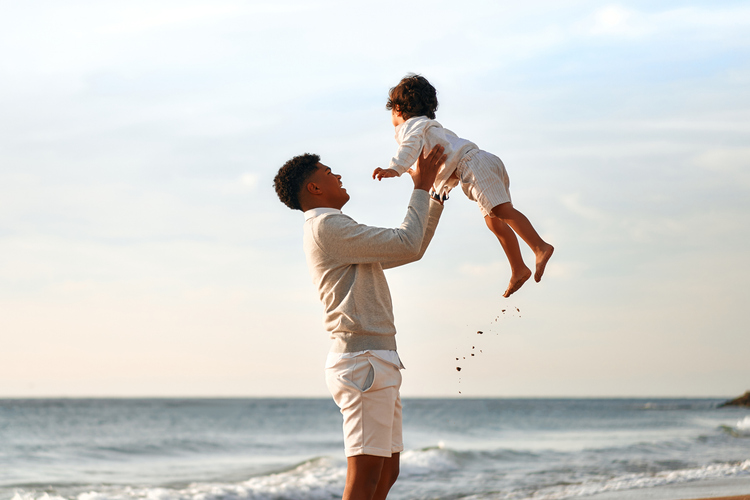
Yet the change was not only visible in actions. It was present in conversations once considered difficult. Fathers began asking questions instead of offering only answers. They listened. They apologized. They sat beside their children during moments of uncertainty, not to fix every problem, but simply to remain there. Sometimes the most meaningful thing they offered was their undivided attention.
The modern world brought new challenges as well. Screens glowed late into the evening. Calendars filled with obligations. The balance between work and family became its own daily negotiation. Still, many fathers found themselves searching for something deeper than success. They wanted memories instead of milestones, connection instead of distance. They learned that a few uninterrupted moments could carry more weight than an entire day spent elsewhere.
Years later, children would remember unexpected details. The warmth of a hand resting on their shoulder during a difficult conversation. The sound of laughter echoing from the kitchen. The sight of a father waiting in the audience, eyes shining with pride. These memories would survive long after careers ended and schedules faded. They would become the inheritance that mattered most.
And perhaps that is the quiet mystery of fatherhood’s evolution. The strongest change was never the one visible from the outside. It happened in the spaces between words, in the willingness to stay present, in the courage to be known. The fathers of yesterday built foundations with sacrifice. The fathers of today still carry that legacy, but many have added something new—a closeness once left unspoken. And somewhere in the soft glow of an evening lamp, with a child leaning against his shoulder, a father discovers that love no longer waits behind the door. It has finally stepped inside and taken its place at the heart of the home.