

Long before the cameras, before the long walk to the center of the American Idol stage, there was a smaller room filled with warm light and folding chairs that never quite matched. The sound system hummed softly, and someone in the corner tuned a guitar with slow, careful turns. Hannah Harper stood close to the edge of the stage, hands wrapped around the microphone, waiting for the first note the way she always did — with a breath she tried to keep steady.

The crowd wasn’t large, but it felt close, the kind of closeness where you can see every face and recognize every smile. Her family stood nearby, instruments resting against their shoulders, ready to begin the songs they had played together so many times that the rhythm felt like part of their lives. When the music started, it didn’t feel like a performance. It felt like something they already knew by heart.
Her voice came in gently at first, almost shy, then stronger as the melody carried her forward. She didn’t move much. She never needed to. The feeling in the room did the moving for her, filling the quiet spaces between notes, settling into the silence that always followed the last line of a song. Those were the moments she loved most — when nobody spoke right away.
After the music ended, there was always laughter. Someone adjusting a cable, someone calling out the next song, someone handing her another microphone that looked older than she was. She would smile, brush a strand of hair from her face, and step back into place like she belonged there, because she did.
Those nights were never about being seen.
They were about being together.
The songs they chose carried stories older than the room itself. Country melodies that moved slow and steady. Gospel harmonies that rose and fell like breathing. She listened closely when the others sang, learning without realizing she was learning, feeling how a voice could hold something honest without trying too hard.
Sometimes she would look out into the crowd and find the same faces she had seen the week before, sitting in the same seats, waiting for the same familiar sound. That kind of audience teaches you something different. It teaches you that music isn’t about proving anything. It’s about sharing something you already feel.
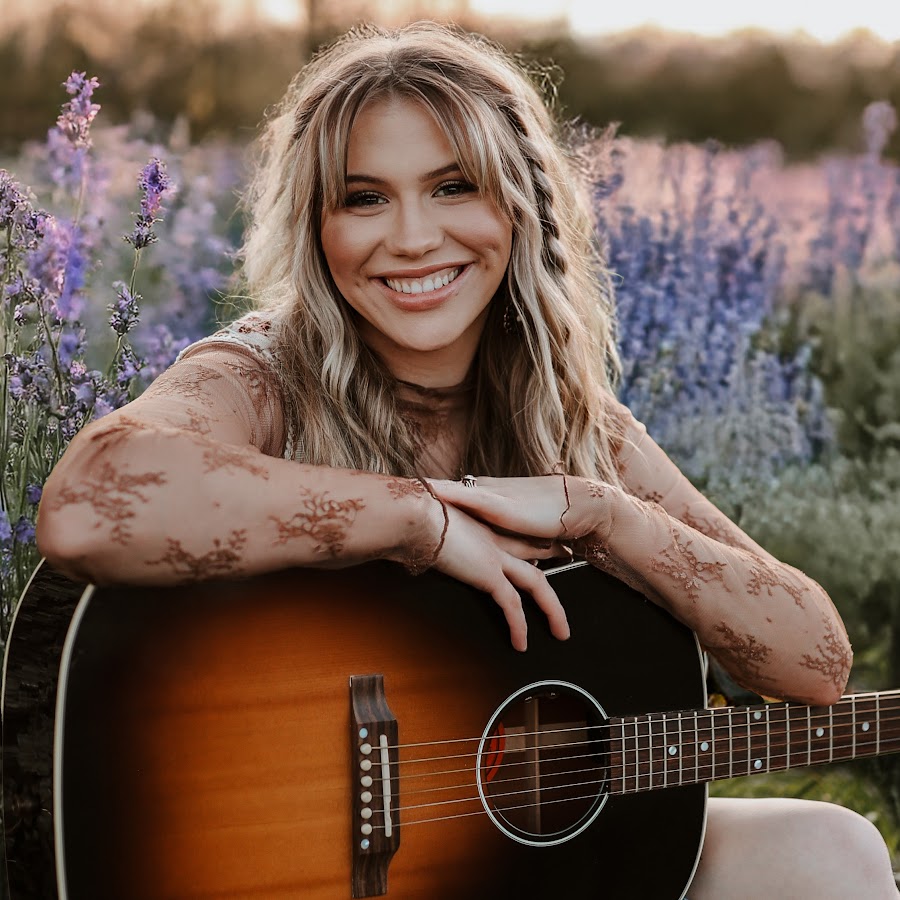
Years later, under the bright lights of a television stage, the room feels bigger, the sound louder, the silence heavier. But when Hannah closes her eyes before a note, there is still a trace of those small nights in the way she stands, in the way she holds the microphone, in the way she lets the song come to her instead of chasing it.
People watching now see the spotlight, the judges, the crowd that stretches farther than she can see. What they don’t hear is the echo of those earlier rooms, the soft tuning of a guitar, the quiet voice of someone in her family saying, “You’re ready,” before the music begins.
Her story didn’t start with a television audition.
It started with voices she already trusted, songs she already loved, and a stage that never needed to be big to feel important.
And every time she sings now, no matter how bright the lights become, there is still a small piece of that first stage standing somewhere behind her, waiting in the quiet, exactly where it has always been.