
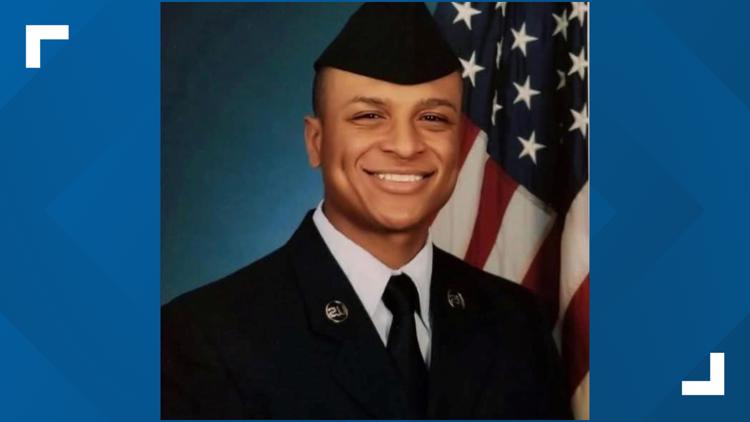
The house was already full before anyone said he was coming. The porch light had been left on longer than usual, glowing against the Ohio evening as if it knew someone was on the way home. Inside, voices moved softly from room to room, not loud, not nervous, just waiting. When the door finally opened, the cold air followed him in, along with that familiar sound of boots on the floor, and before anyone could even speak, his smile was already there. The kind of smile that made the whole room feel warmer without trying.
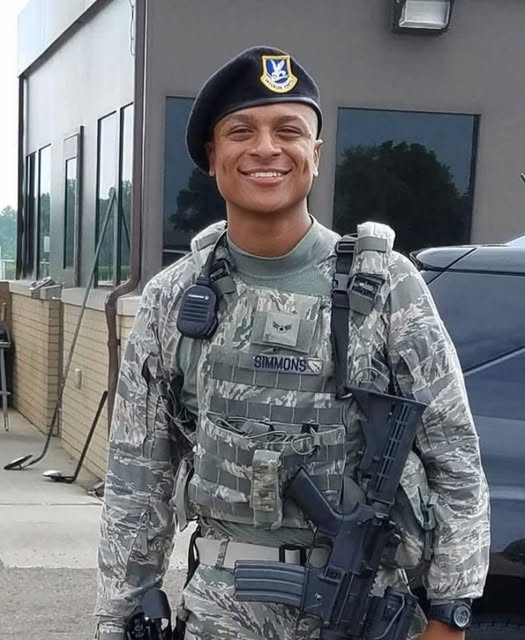
He hugged everyone the same way he always had, one arm strong, the other quick, like he didn’t want the moment to become too serious. His mother remembers the way he laughed when someone told him he looked thinner, the way he shrugged it off, the way his eyes moved around the room as if he wanted to take in every face at once. Nothing about the night felt unusual then. It felt like every other homecoming. The kind you believe will happen again.
Later, the house grew quieter, the way it always does after the first excitement fades. Plates sat half-finished on the table, jackets hung over chairs, the television playing to no one in particular. He stood near the kitchen doorway talking to his mother, not about anything important, just small things, the kind of conversation that disappears the moment it ends. She remembers the light above the sink, the way it fell across his face, the way his smile looked softer when he wasn’t laughing.
There was a pause in the conversation that neither of them noticed at the time. He looked toward the window for a second, like he was listening to something outside, then back at her again. He said he’d be leaving soon. Not in a dramatic way. Not with heavy words. Just a simple sentence, the way someone says they have to go to work in the morning. She nodded, because that was what they always did. He left. He came back. That was the rhythm they trusted.
The morning he packed, the house felt different, though no one could say why. His bag sat by the door longer than it needed to. He moved slower, as if there was no reason to rush, even though there always was. His mother remembers the sound of the zipper closing. It was louder than it should have been, sharp in the quiet room, the kind of sound that stays in your head long after it’s gone.
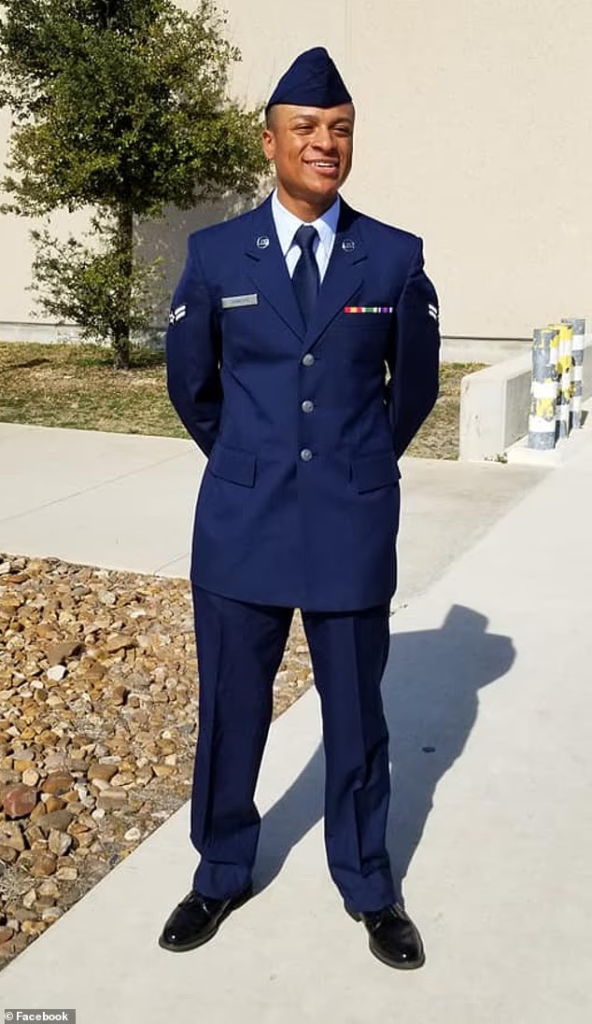
When he stepped outside, the air was cold enough to make their breath visible. He turned once before getting into the car, not because something was wrong, but because he always did. He raised his hand in that same easy wave, the one that meant I’ll see you later. No one thought to hold onto the moment. No one thought it was the last time they would see that smile in the doorway.
Now, when his name is spoken, the house goes still in the same way it did that night before the door opened. The memories don’t come in order. They come in flashes — the laugh, the boots on the floor, the light over the sink, the sound of the zipper, the wave from the driveway. Small things. Ordinary things. The kind of things that become everything when they’re all you have left.
His mother says people talk about his service, about the uniform, about the way he gave his life doing what he believed in. She listens, grateful, but her mind always goes somewhere else. Back to the kitchen. Back to the doorway. Back to the moment he stood there smiling like he always did, as if the world had never been capable of breaking.
Sometimes she says she still expects to hear the door open the same way it did that night. The same cold air, the same footsteps, the same voice calling out before anyone can reach the hallway. For a second, she can almost see him there again, standing in the light, smiling like nothing has changed.
And in those quiet moments, the memory doesn’t feel like the past.
It feels like a door that never fully closed.