
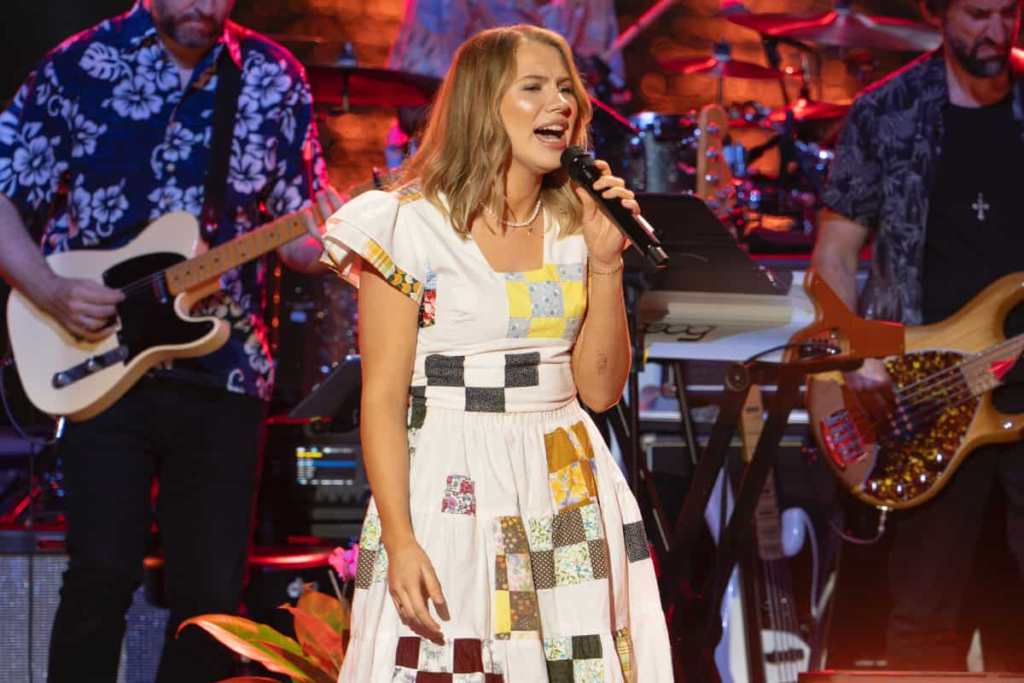
The stage lights always seemed a little softer when she walked into them. Not dimmer, not brighter—just quieter, as if the room itself knew to hold its breath. Hannah Harper never rushed to the microphone. She stepped forward the way someone steps into a memory, careful, steady, almost unaware that millions of people were waiting to hear what would happen next.
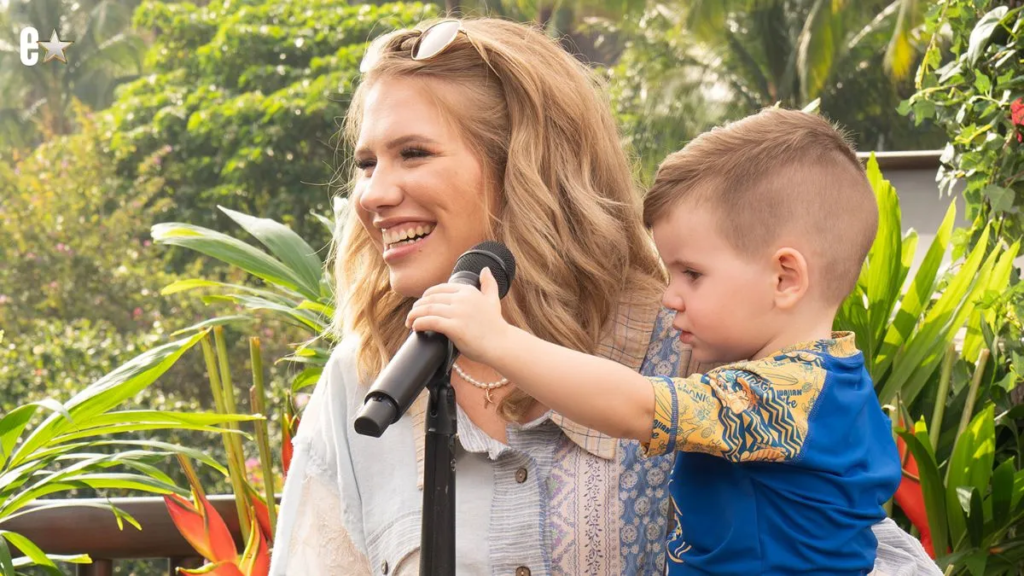
In the early weeks, she stood there like someone who still couldn’t believe she was allowed to be there. A stay-at-home mother from Missouri, hands folded for a moment before the music began, eyes scanning the crowd as if searching for something familiar. When she started to sing, the sound didn’t feel like a performance. It felt like a story she had been carrying for years and finally let go of.
“String Cheese” was the first time the room fell completely still. The kind of stillness that doesn’t happen because people are told to be quiet, but because no one wants to interrupt what they’re hearing. Even the judges seemed slower to react, their faces caught between surprise and recognition, like they understood they were listening to something that didn’t come from practice rooms or vocal lessons, but from somewhere much older.
As the weeks passed, the stage grew bigger, the audience louder, the lights sharper. But Hannah never changed the way she stood. Shoulders relaxed, chin slightly lowered, eyes focused somewhere past the cameras. When she sang “Ain’t No Grave” during the live voting round, the air felt heavier, like the sound itself was pressing gently against the walls of the studio. No one clapped right away. For a moment, even the silence sounded full.
By the time “Bitter Weed” came, the audience was no longer just listening. They were waiting. Waiting for that feeling that had started to follow her from one performance to the next, the feeling that something real was happening in front of them and no one wanted to be the first to break it. The song ended the same way so many of her moments did—one last note hanging in the air, her eyes closing for a second longer than expected, as if she needed that extra breath before returning to the world.
The judges spoke carefully after that. Not louder, not more dramatic, just slower. Carrie Underwood leaned forward the way people do when they want to make sure the moment doesn’t slip away too fast. Luke Bryan smiled without saying anything at first. Lionel Richie watched her like someone who had seen a lot of stages in his life and still knew when one of them felt different.
Somewhere along the season, the conversation around her stopped sounding like a competition. It wasn’t about scores or rounds or who might go home next. It sounded more like people trying to describe a feeling they didn’t have words for yet. The kind of feeling that only shows up when a voice reminds you of something you thought you had forgotten.
Backstage clips showed her laughing quietly, hugging the other contestants, clapping for performances that weren’t her own. Nothing about her movements suggested she thought she was ahead. If anything, she carried herself like someone grateful just to still be standing there, as if every week felt like borrowed time she didn’t want to waste.
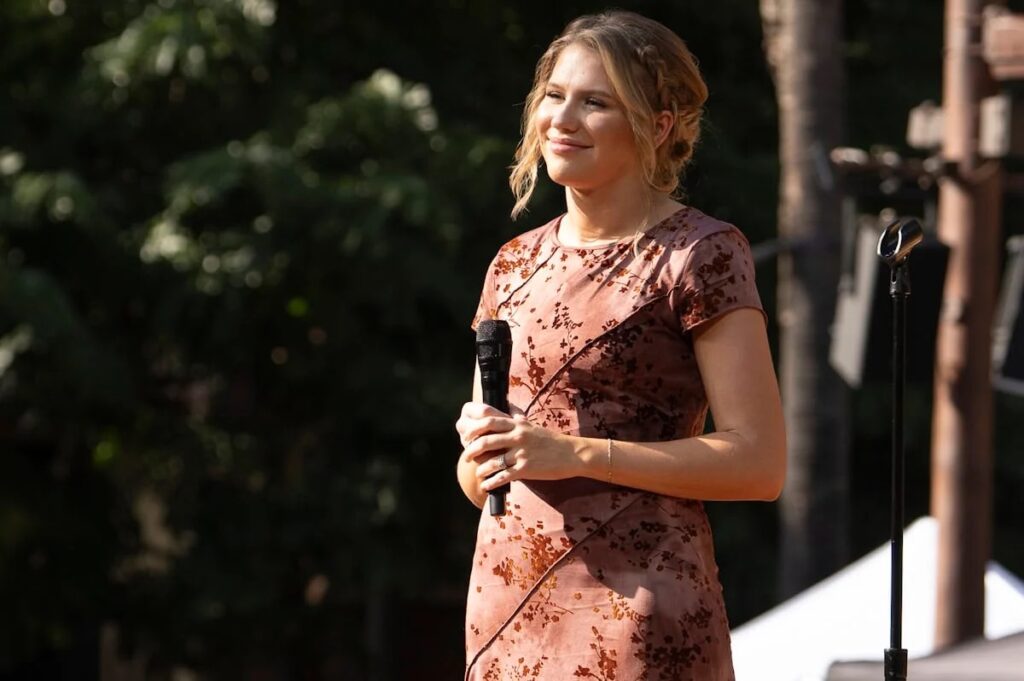
When the Top 20 live shows turned into fewer names and brighter lights, the room felt smaller, even though the stage hadn’t changed. Each time she stepped forward, the audience leaned in the same way, the same hush settling over the crowd before the first note. It wasn’t excitement anymore. It was something closer to trust.
And somewhere in those quiet seconds before the music began, it started to feel less like people were wondering if Hannah Harper could win American Idol…
and more like they were waiting for the moment when everyone finally realized she already had.
She was up against some really talented folks, but her sincere commitment to her music and caring attitude had me from the start. Her own songs remind me of Dollie Parton who also wrote songs that tug at your heart. Saved by grace!