

There was a time when Hollywood created characters who were intentionally excessive. Loud, reckless, intimidating, and almost absurdly masculine, they existed not because studios believed they were morally perfect, but because they were unforgettable. One of the clearest examples was Ogre, the towering brute played by Donald Gibb in cult comedy history. He was crude, chaotic, and completely politically incorrect by modern standards — which is exactly why audiences still remember him decades later.
What made characters like Ogre work was not subtlety. They represented exaggerated versions of real personalities people actually encountered in schools, bars, locker rooms, and neighborhoods. Hollywood once understood that cinema did not always need sanitized role models. Sometimes audiences simply wanted larger-than-life human chaos. Ogre was intimidating yet weirdly lovable, a bully who somehow became part of the comedy rather than merely its villain. Modern studios would struggle to even approve such a character on paper today.
The reason goes far beyond political correctness, though that certainly plays a role. The deeper issue is that modern filmmaking has become obsessed with risk management. Every character is now evaluated through marketing departments, international audiences, public relations concerns, and social media backlash forecasts. In older decades, studios feared box office failure. Today, they fear online outrage. That fear fundamentally changes the kind of personalities allowed to exist onscreen.
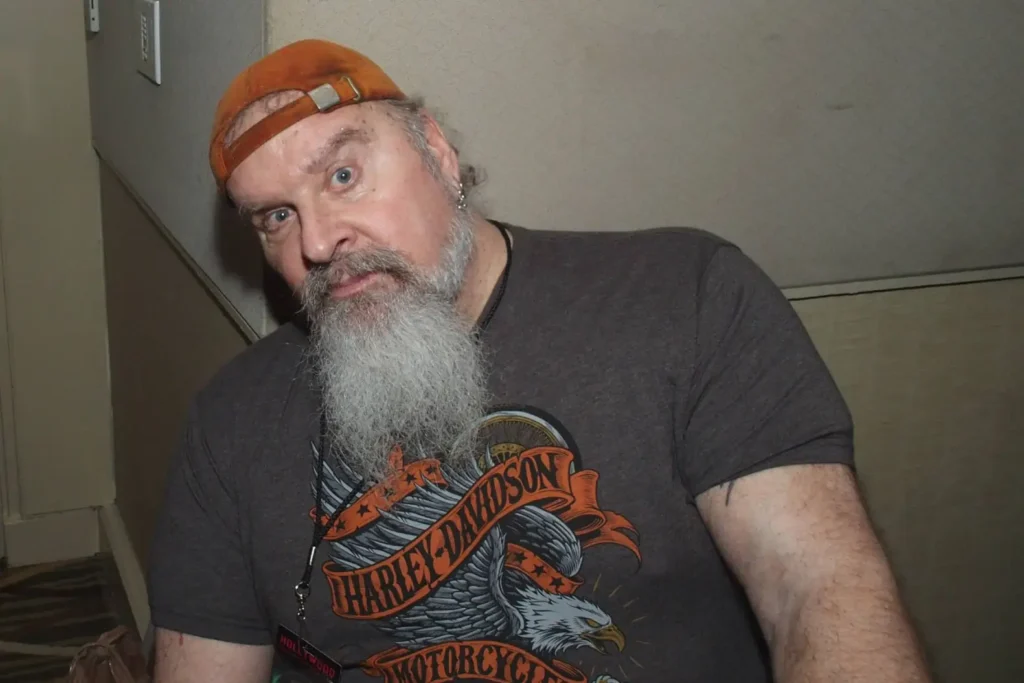
Characters like Ogre thrived because older films accepted imperfection as entertainment. They were offensive at times, ridiculous at others, and occasionally downright mean. Yet audiences understood that exaggerated comedy was never meant to function as moral instruction. Modern studios increasingly treat films as carefully monitored public statements rather than messy reflections of human behavior. As a result, rough-edged characters are often rewritten into safer, emotionally balanced versions of themselves.
There is also a major difference in how modern Hollywood views masculinity itself. During the 1980s and early 1990s, exaggerated masculine archetypes were common because they reflected cultural fantasies of physical dominance and social confidence. Ogre embodied brute force in its most cartoonish form. Today, studios are far more cautious about presenting aggressive male characters without immediately softening or psychologically explaining them. Raw intimidation alone is no longer considered commercially comfortable.
Ironically, removing those extremes has made many modern characters feel strangely forgettable. Older films embraced personalities so oversized they became cultural landmarks. You remembered them because they disrupted every scene they entered. Ogre was impossible to ignore. Modern ensemble casts, by comparison, are often designed to ensure nobody becomes too controversial, too bizarre, or too overwhelming. The result is safer storytelling that rarely leaves behind iconic personalities.
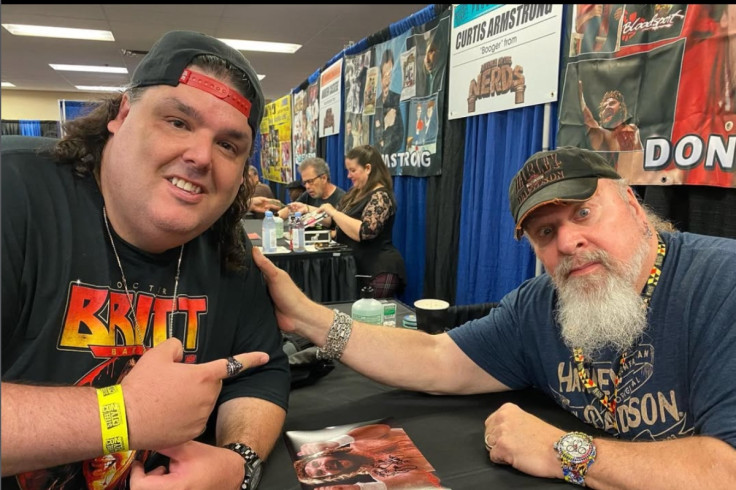
Another reason characters like Ogre disappeared is because modern comedies themselves have changed. Studios once allowed supporting characters to behave unpredictably without constant narrative correction. Now humor is frequently filtered through self-awareness and careful emotional framing. Writers often feel pressured to reassure audiences that the film understands problematic behavior is problematic. Older movies rarely paused to explain themselves. They simply threw outrageous personalities onto the screen and trusted viewers to interpret the chaos.
Streaming culture also accelerated this transformation. Films today are consumed globally within hours, dissected through clips, screenshots, and viral commentary. A character like Ogre would not merely exist inside the movie anymore; he would immediately become a social media debate. Studios know this. Every line of dialogue is now written with potential online reaction in mind. That level of scrutiny naturally kills the kind of wild creative freedom that once produced unforgettable cult characters.
Yet the continued nostalgia surrounding these films reveals something important about audiences. People are not necessarily asking for cruelty or offensiveness to return unchecked. What they truly miss is unpredictability. They miss characters who feel dangerously human rather than algorithmically engineered. Ogre represented a cinematic era where writers were allowed to create personalities that were messy, excessive, and occasionally uncomfortable without fearing instant cultural trial by internet.
That is the real reason characters like Ogre would never exist in modern studio films. Hollywood no longer trusts audiences the way it once did. Studios prefer calculated likability over risky individuality because controversy now travels faster than creativity. But in eliminating figures like Ogre, modern cinema may have also lost something essential — the strange magic of characters so outrageous, flawed, and alive that they could never be forgotten once the credits rolled.