
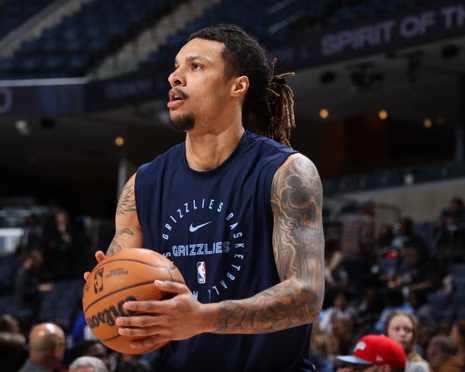
Brandon Clarke’s basketball journey never followed the polished script usually reserved for future NBA stars. There were no nationwide spotlights waiting for him in Vancouver, no massive teenage hype machine predicting greatness before he had even grown into himself. What existed instead was distance, doubt, and the stubborn belief that effort could sometimes outrun attention. That belief would eventually carry him farther than anyone expected.
Canada was still building its basketball identity when Clarke began dreaming seriously about the game. Hockey remained the country’s cultural language, while basketball players often developed quietly in overlooked gyms and modest communities. Clarke emerged from that atmosphere with a mentality shaped less by celebrity and more by survival. Every opportunity felt earned because very few were freely handed to him.
His first major stop, San Jose State, hardly resembled the glamorous pathway associated with future NBA contributors. The program lacked national prestige, and Clarke arrived without the aura of a can’t-miss prospect. Yet beneath the anonymity, something important was forming. Coaches noticed his unusual timing, defensive instincts, and relentless movement. He played basketball like someone permanently aware that another player was always waiting to take his place.
Then came Gonzaga — the stage where hidden potential transformed into undeniable reality. Clarke did not merely improve there; he exploded into national consciousness. Suddenly analysts were discussing his efficiency, shot-blocking versatility, and rare athletic fluidity. But even during his rise, he carried himself differently from many fast-rising prospects. Fame never appeared to seduce him. He still played with the hunger of someone trying to prove he belonged.
Draft night should have been the triumphant conclusion to years of invisible labor. Instead, it became another lesson in uncertainty. Clarke was selected by Oklahoma City before immediately being traded to Memphis, a moment that could easily have unsettled a young player emotionally. For athletes, draft-night trades often feel strangely impersonal — careers redirected in seconds by decisions entirely outside their control. Yet Clarke handled the transition with remarkable calmness.
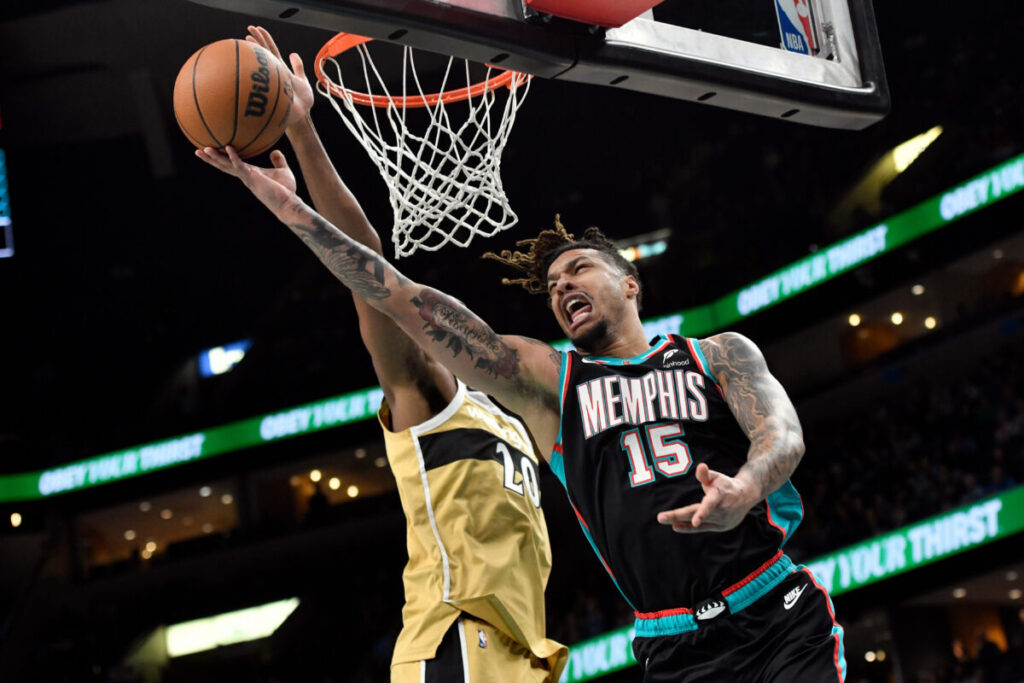
Memphis turned out to be the perfect environment for him. The Grizzlies were building a young, fearless identity around grit and chemistry rather than glamour. Clarke slipped naturally into that culture because he already embodied it. He defended aggressively, sprinted in transition, sacrificed touches, and embraced the difficult responsibilities stars often avoid. Coaches trusted him because he consistently made winning feel easier for everyone around him.
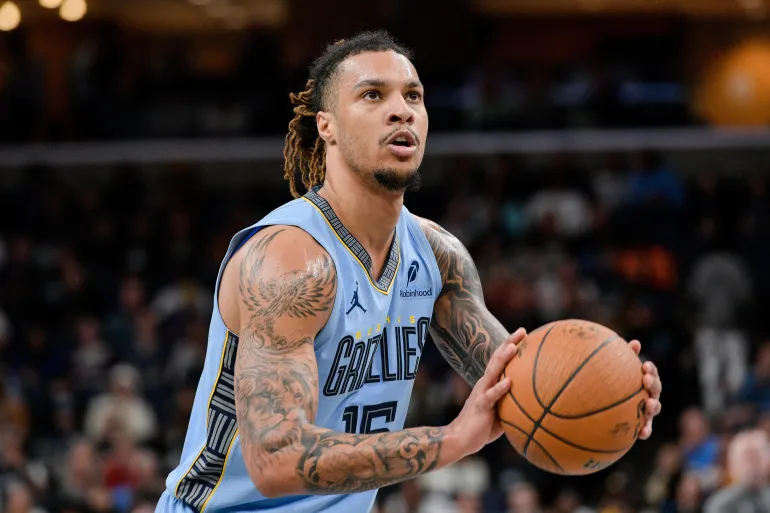
But professional basketball carries a cruelty fans sometimes underestimate. Careers are not only shaped by talent, but by the fragile reliability of the human body. Injuries do not simply interrupt seasons; they interrupt identities. For players whose lives revolve around movement, explosiveness, and rhythm, physical setbacks create emotional fractures invisible to audiences watching from afar.
Clarke’s injury battles revealed a harsher side of professional sports rarely discussed openly. Recovery is deeply isolating. While teammates travel, compete, and build momentum together, injured players often spend months in quiet rehab facilities repeating painful exercises with uncertain outcomes. The loneliness becomes psychological as much as physical. Publicly, athletes are expected to remain optimistic. Privately, many wrestle with fear, frustration, and the terrifying possibility of becoming forgotten.
That emotional weight explains why Clarke’s story resonates so deeply now. Fans recognized the sincerity in him. He never chased attention recklessly or built his identity around noise. Instead, he represented resilience in its purest form — the kind rooted in discipline rather than theatrics. People were not merely waiting for his return to basketball; they were emotionally invested in his recovery as a human being.
Perhaps that is why Brandon Clarke’s journey feels larger than statistics or career timelines. From Canadian gyms to Gonzaga stardom, from draft-night uncertainty to becoming a foundational Grizzlies presence, his story carried the emotional texture of perseverance itself. And hidden within that story is a truth sports often forget: sometimes the strongest athletes are not the loudest champions, but the quiet survivors fighting battles nobody fully sees.