
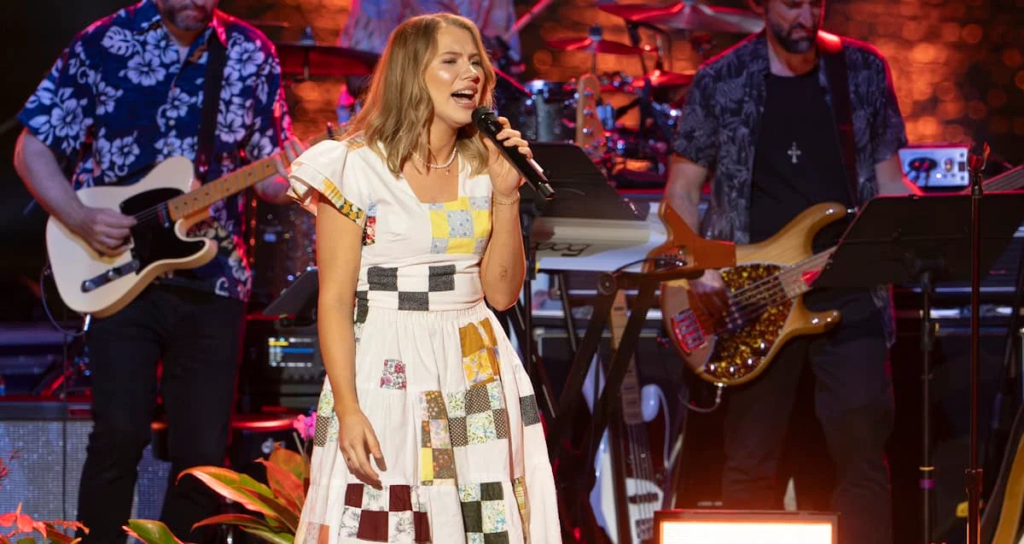
She doesn’t arrive like a product. She arrives like a moment that hasn’t been rehearsed enough to be safe. In a space where contestants are often introduced as finished ideas, Hannah Harper feels unfinished in the most magnetic way—like a voice still discovering itself in real time.
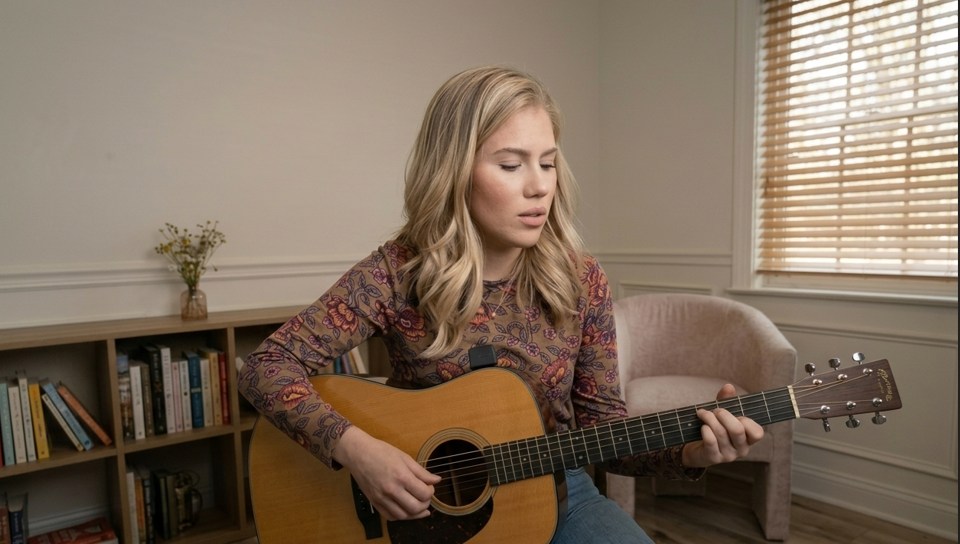
There is no visible polish wrapping her. No careful, pre-built narrative engineered for maximum appeal. And strangely, that absence has become her strongest presence. Because while others seem presented, she simply appears—and that difference is impossible to ignore.
Most artists in televised competitions carry the quiet fingerprints of preparation: media training that smooths every answer, personas shaped to fit audience expectations, emotions timed to land perfectly. Hannah doesn’t seem to follow that rhythm. Her pauses linger too long. Her expressions don’t always align with what television demands. And yet, that misalignment feels deeply human.
It is not that she lacks awareness. It is that she refuses to perform awareness. There’s a difference between knowing how to be seen and allowing yourself to be seen. Hannah exists in the latter space, where control loosens just enough for something real to slip through.
Her voice carries that same unpredictability. It doesn’t chase perfection; it chases truth. Notes aren’t always delivered like precision instruments—they sometimes tremble, stretch, or fall slightly off-center. But in those imperfections, something far more compelling emerges: sincerity that cannot be replicated.
Audiences are beginning to recognize this shift. After years of highly curated talent, there is a quiet fatigue settling in—a sense that perfection, while impressive, often feels distant. Hannah interrupts that distance. She feels close. Immediate. Almost unfiltered.
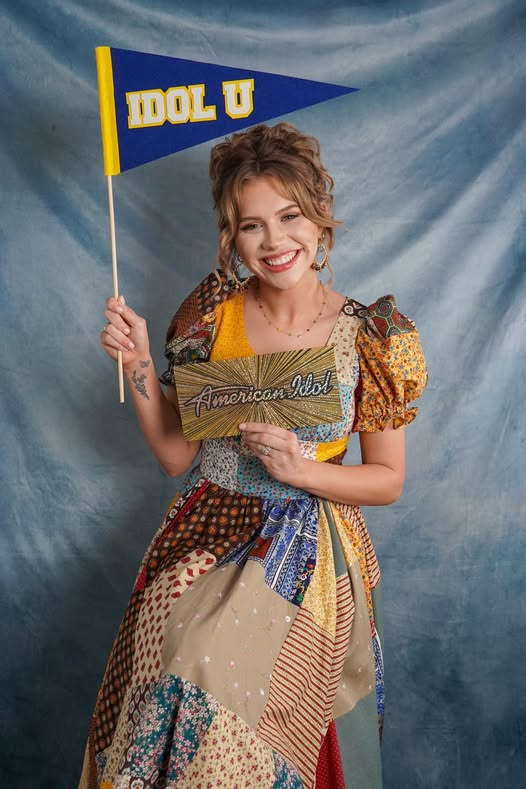
And perhaps that is why she resonates so deeply. She doesn’t ask to be admired from afar. She invites you into something unfinished, something still forming. Watching her doesn’t feel like consuming a performance; it feels like witnessing a process.
There is also a kind of risk embedded in her presence. Without a manufactured blueprint, there is no guarantee of consistency, no predictable arc to follow. But that uncertainty is exactly what keeps people watching. Because anything could happen—and for once, that isn’t terrifying. It’s alive.
In an industry built on control, Hannah Harper represents something quietly rebellious. Not through defiance, but through absence—absence of calculation, absence of over-design, absence of the invisible scaffolding that usually holds artists in place.
And maybe that is the real shift happening here. It’s not just about one contestant standing out. It’s about an audience rediscovering what it feels like to connect with something that hasn’t been perfected yet—and realizing that sometimes, the most powerful artistry is the kind that was never designed to begin with.