

The morning begins without her. No lullaby, no hurried breakfast kisses, no soft voice calling little names into the day. By the time the sun stretches across the window, she is already somewhere else—inside a car, backstage, or under lights that don’t know her as “mom.” They know her as a voice, a presence, a possibility. And so, her children wake into a version of home that feels whole—but slightly rearranged.
She has memorized the sound of silence in her own house. It’s different from the silence of a stage before applause. This one lingers longer. It holds the weight of moments she knows are happening without her—spilled cereal, unfinished homework, small victories that won’t be retold quite the same way later.
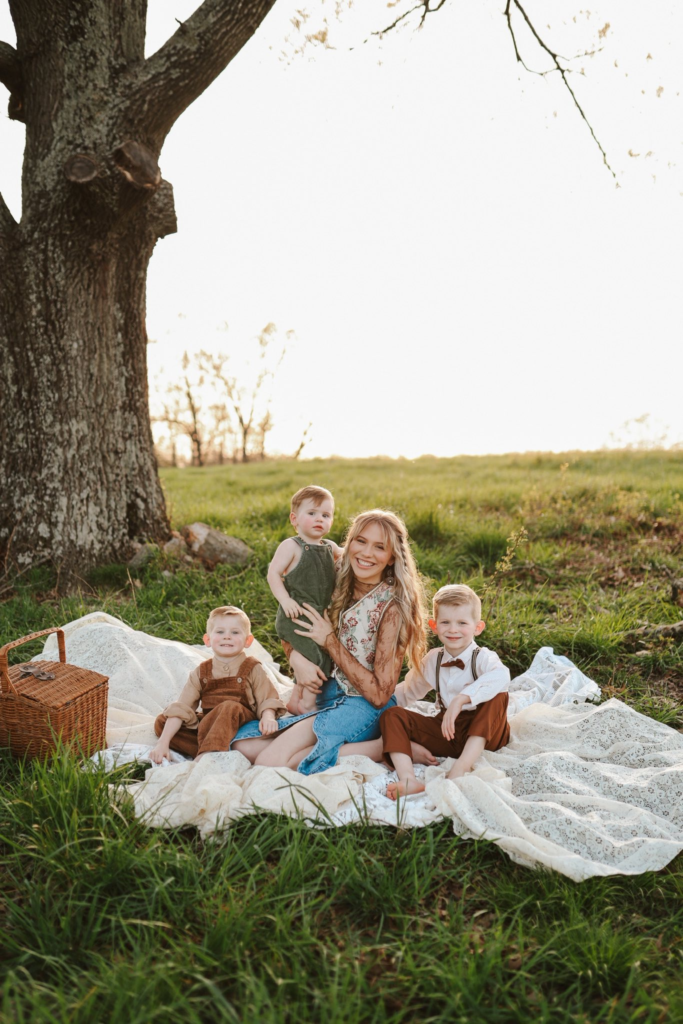
Every performance she gives is layered. The audience hears strength, control, emotion—but beneath it runs something quieter, something unspoken. A mental checklist of what she’s missing in real time. A wondering: Did they laugh today? Did they ask about me? Did they notice I wasn’t there?
Her life has become a series of parallel timelines. In one, she is rising—finding her voice, claiming space, becoming something undeniable. In the other, she is gently fading from everyday rituals, replaced by routines that continue without her. Neither life cancels the other. They simply refuse to merge.
There is a particular kind of guilt that doesn’t shout—it whispers. It sits beside her in dressing rooms and travels with her in silence. Not overwhelming, not paralyzing, but constant. A quiet question: how much of herself can she give away before something essential begins to thin?
And yet, there is purpose in her leaving. Not escape, not abandonment—but intention. She is building something her children cannot yet understand. A future shaped by courage, by risk, by the belief that dreams are not meant to be postponed indefinitely. Even when they cost something.

Her children are learning too, though no one calls it that. They are learning patience in small, unnoticed ways. Learning that love does not always look like presence. That sometimes it sounds like a voice through a phone, or feels like a promise carried across distance.
At night, when the noise of the world settles, she returns—not always physically, but emotionally. She replays what she imagines their day looked like. She fills in the gaps with instinct, with memory, with hope. It’s not perfect, but it’s how she stays connected to a life that keeps moving without waiting.
There are moments, brief and piercing, when everything collides. When applause fades and instinct takes over, and she looks into the crowd—not for validation, but for familiarity. For faces that aren’t there. It’s in those seconds that success feels both full and incomplete at the same time.
But she continues. Not because it’s easy, but because it means something. Because one day, her children might understand that she didn’t leave them behind—she carried them forward, quietly, in every step she took away.