

There are performances you hear, and then there are performances you feel long after the sound fades. Keyla Richardson’s rendition of “Jireh” on American Idol 2026 belonged to the latter. It wasn’t introduced with spectacle or dramatic buildup. It simply arrived—quietly, sincerely—and within seconds, something in the room began to shift.
At first, it was her voice—steady, restrained, almost as if it carried a weight it refused to fully reveal. But then came the detail that transformed the performance into something far deeper: her son, standing beside her. He didn’t sing. He didn’t move much. Yet his presence redefined everything unfolding on that stage.
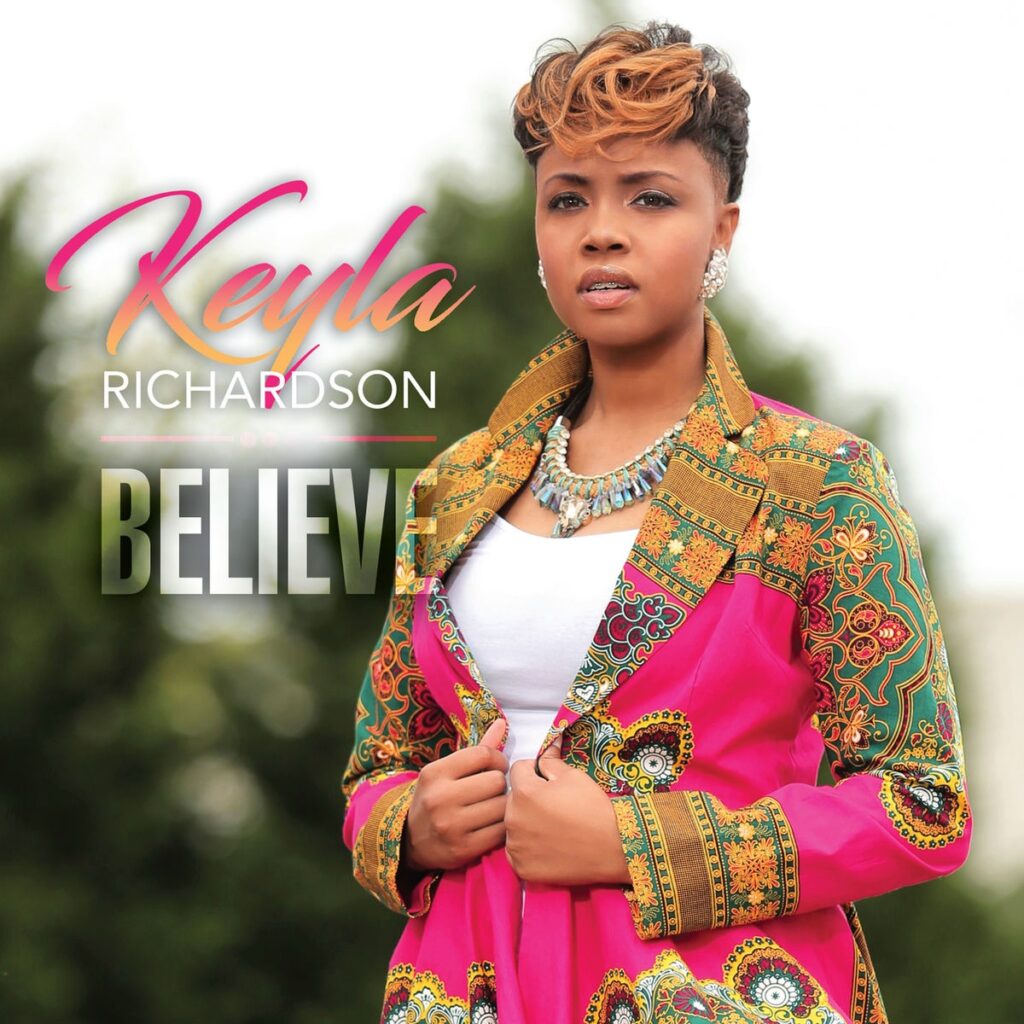
There’s a unique kind of power in stillness, especially in a space designed for noise and applause. While others chase high notes and vocal acrobatics, Keyla chose something far riskier—emotional exposure. And in doing so, she created a moment where silence between notes spoke louder than the notes themselves.
The song choice itself was no coincidence. “Jireh,” originally by Elevation Worship and Maverick City Music, carries a message of provision, trust, and surrender. But in this performance, those themes weren’t just sung—they were embodied. Every lyric felt less like a declaration and more like a lived reality.
As the camera occasionally cut to the judges, the shift became undeniable. Carrie Underwood, known for her composure and experience, appeared visibly moved. It wasn’t just admiration for technique—it was recognition of truth. The kind of truth that doesn’t need perfection to resonate.
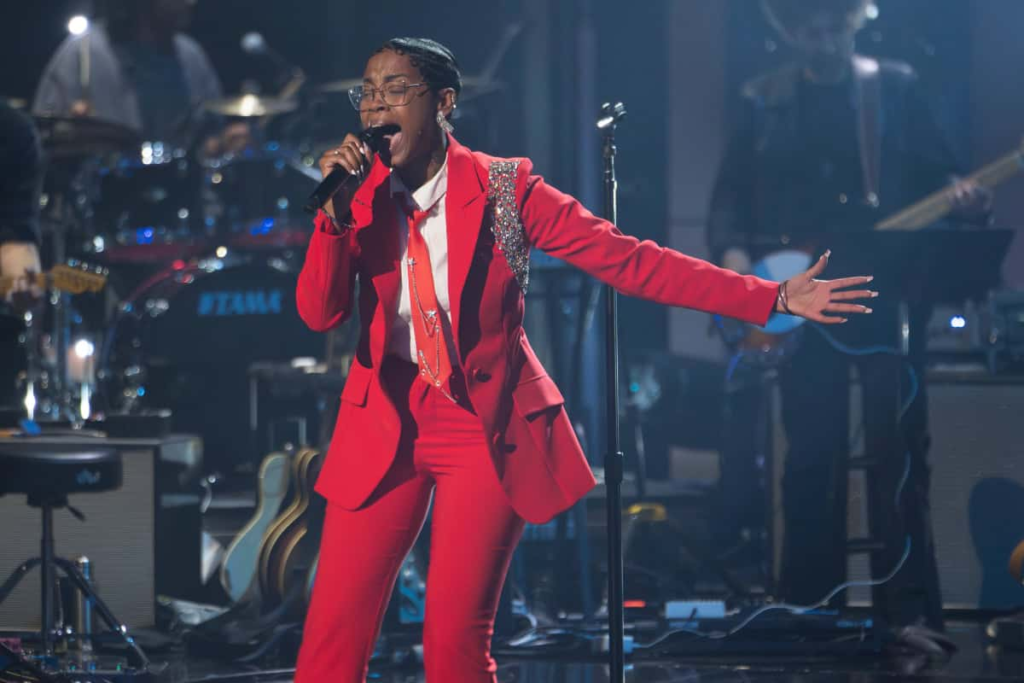
What made this moment extraordinary wasn’t grand storytelling or calculated drama. In fact, it felt almost anti-television. No exaggerated gestures. No forced climax. Just a mother, a child, and a song that seemed to hold pieces of both their stories within it. And somehow, that simplicity became its greatest strength.
Audiences often respond instinctively when family enters a performance space. It creates a bridge between the performer and the viewer—a reminder that behind every voice is a life, a history, a set of invisible struggles. Keyla didn’t just invite viewers to listen; she allowed them to witness something personal without ever explicitly explaining it.
There’s also an unspoken courage in bringing your child into such a vulnerable moment. It strips away any remaining layer of performance. What remains is something unfiltered, almost fragile. And yet, in that fragility, there was undeniable strength—a quiet declaration that not all power needs to be loud to be real.
By the time the final note dissolved into the silence of the room, it was clear that something rare had taken place. Not a competition highlight, not just another memorable audition—but a moment that resisted being reduced to clips or headlines. It demanded to be felt in its entirety.
And perhaps that’s why it lingers. Because in a world constantly chasing louder, bigger, and more dramatic, Keyla Richardson reminded everyone of something we often forget: sometimes, the most unforgettable moments are the ones that don’t try to impress—only to be honest.