
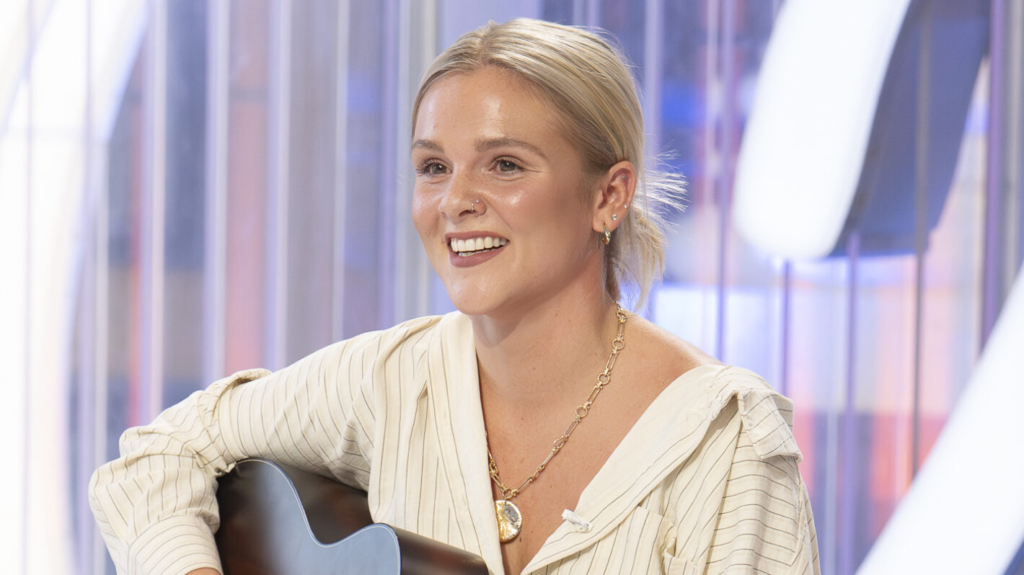
Competition shows often promise drama, but the most revealing moments rarely happen during flashy performances or elimination pauses. They happen when pressure collides with honesty. That is exactly where Kyndal Inskeep found herself after making the Top 9, when she addressed criticism surrounding comments about her “really tired” performance and made it clear she did not agree with the assessment.
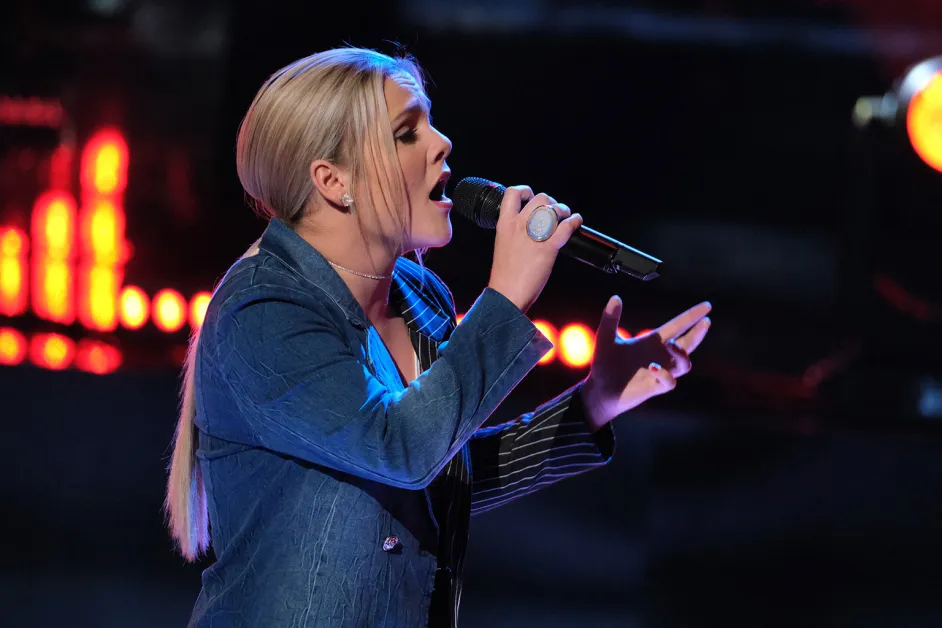
For many contestants, the safest path is silence. Smile, thank the judges, move on, and avoid controversy. That formula has existed for years because it protects public image. But Inskeep chose a different route. She anticipated backlash, understood people would judge her response, and still stood by her belief that the critique was wrong. In a competition built on public perception, that decision required conviction.
The comment itself landed at a sensitive moment. When a performer has poured energy into rehearsals, emotional preparation, and the vulnerability of live television, being described in a way that suggests fatigue can sting. Even constructive criticism can feel sharper when delivered under bright lights and in front of millions. For contestants, every word from the judges can echo far beyond the episode.
That is why her reaction resonated with so many viewers. Whether audiences agreed with her or not, they recognized something human: artists do not always experience their own performances the same way outsiders do. Judges see the result. Contestants feel the effort, nerves, adrenaline, and intention behind it. Those two truths can coexist without matching perfectly.
Carrie Underwood brings enormous credibility to any judging panel. Her experience, success, and understanding of performance pressure give weight to her opinions. Yet even respected expertise does not make every critique universally accepted. Art has always lived in interpretation. What one listener hears as exhausted, another may hear as emotional restraint, softness, or subtle control.
Inskeep’s willingness to challenge that perception may say something important about her identity as an artist. Some contestants are still discovering who they are when they enter a competition. Others arrive with a clearer sense of self. By standing behind her own reading of the performance, she signaled that she is not merely waiting to be defined by outside voices.
That confidence can be risky. Reality television audiences often reward humility and punish anything interpreted as defensiveness. Inskeep likely understood this, which makes the phrase “predicted criticism” especially revealing. She knew the response could create friction, yet chose honesty over perfect optics. In a media environment crowded with rehearsed reactions, authenticity can be polarizing—but memorable.
There is also a broader conversation underneath moments like this. Female performers in particular are often expected to receive criticism gracefully, respond softly, and never appear too certain of themselves. When an artist calmly says, “I disagree,” it can be framed as attitude rather than agency. Inskeep’s stance enters that complicated cultural space where confidence is still judged unevenly.
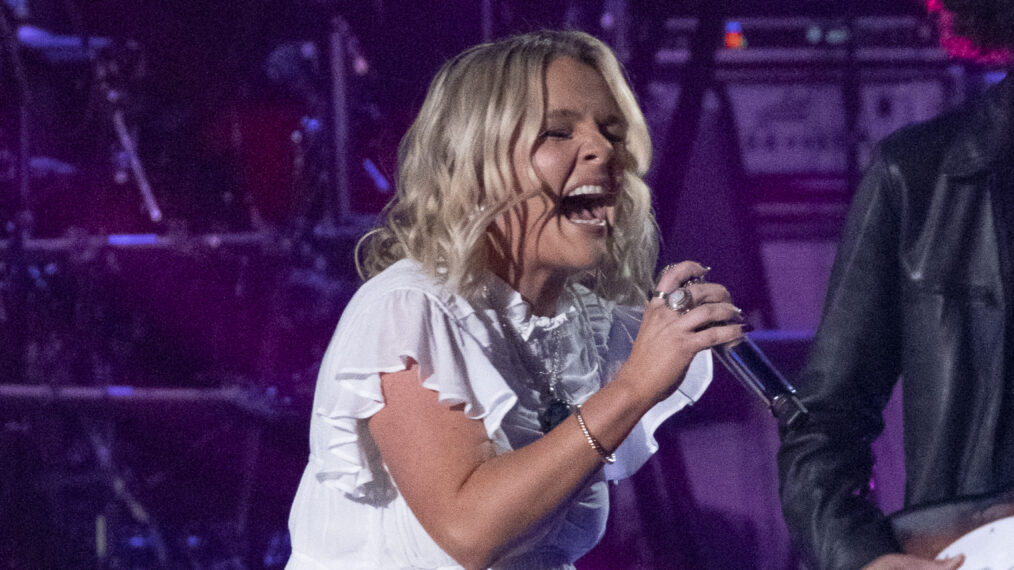
From a strategic perspective, controversy is not always damaging. If handled with clarity and composure, it can sharpen a contestant’s public profile. Many viewers may not remember every technically strong performance in a long season. They do remember contestants who reveal personality, backbone, and perspective. Inskeep’s response may have done exactly that.
Of course, none of this removes the importance of performance quality. Ultimately, competitions are won through songs, moments, and audience connection. But narrative matters too. Fans vote not only for voices—they vote for people whose journeys they feel invested in. By speaking up, Inskeep added complexity to her story. She is no longer just another singer in the lineup. She is someone with opinions, resilience, and the willingness to defend her craft.
The next challenge for her will be channeling that energy into the stage. The strongest rebuttal to criticism is rarely an interview quote—it is a commanding performance that leaves no room for doubt. If Inskeep turns this tension into focus, she could transform a controversial week into a defining one.
For viewers, moments like these are reminders that talent competitions are not sterile scorecards. They are emotional ecosystems where ambition, exhaustion, confidence, vulnerability, and judgment collide in public. Contestants are not robots receiving evaluations. They are artists processing them in real time.
Whether one agrees with Carrie Underwood’s original comment or Kyndal Inskeep’s response, the bigger truth remains compelling: she refused to disappear into polite silence. That alone changes how audiences see her.
Because sometimes the contestants who last longest are not the quietest ones—they are the ones brave enough to answer back, then sing even louder the next week.