

There comes a point in every reality competition when the audience senses a shift. It is subtle at first—an energy change, a new tone online, a growing feeling that something larger is happening than weekly rankings and judge comments. With Hannah Harper, many viewers believe American Idol has reached that point. What once looked like a crowded contest is beginning to feel like something else entirely, and people are starting to notice.

The latest spark came from one unforgettable onstage moment that was almost too small to explain. It was not a dramatic vocal run or a flashy production twist. It was a glance. A calm confidence. A quiet command of the room that made social media erupt within minutes. Fans clipped it, replayed it, and analyzed it like a scene from a hit series. Sometimes power is loud. Sometimes it barely has to move.
That reaction says everything about where Hannah stands right now. She is no longer just being discussed as a contestant. She is being discussed as a presence. There is a difference. Contestants are judged week to week. Presences reshape the atmosphere around them. When someone reaches that level, every appearance becomes an event, every gesture becomes conversation, and every performance carries meaning before the first note even lands.
As her American Idol clips continue drawing massive views, the public debate has grown sharper. One side sees exactly what talent competitions are meant to uncover: someone undeniable. A contestant whose voice, composure, and star quality separate them from the pack. To those viewers, Hannah is not ruining the contest—she is proving the contest still works.
The other side is asking a more complicated question. If one person appears so far ahead in momentum, attention, and confidence, does the season still feel like a true competition? Viewers tune in for suspense, surprises, and the thrill that anyone can break through. When one name dominates the headlines, some begin to wonder whether the story has already been written.
That tension is what makes this moment fascinating. Hannah Harper has become bigger than a contestant profile. She now represents two competing ideas about what audiences want from reality television. Do people want fairness and unpredictability? Or do they want greatness the second they recognize it? Shows like American Idol have always tried to offer both, but those goals can collide when a frontrunner emerges too clearly.
Then came Robert Jamal’s surprising reaction, widening the spotlight even further. Whether supportive, skeptical, or simply reflective, outside voices matter because they legitimize the scale of the conversation. Once fellow contestants, artists, or recognizable figures start weighing in, the narrative expands beyond fan chatter. It becomes cultural commentary. Suddenly, the question is no longer just “How good is Hannah?” but “What does Hannah’s rise say about the show itself?”
That is where speculation about behind-the-scenes dynamics begins. Viewers naturally search for explanations when momentum feels overwhelming. Is it pure talent? Is it smart song selection? Is it editing, production instincts, or timing? Usually, the truth is a combination. No contestant creates this kind of wave alone, but no production team can manufacture authentic audience connection either. Attention can be guided. It cannot be forced.
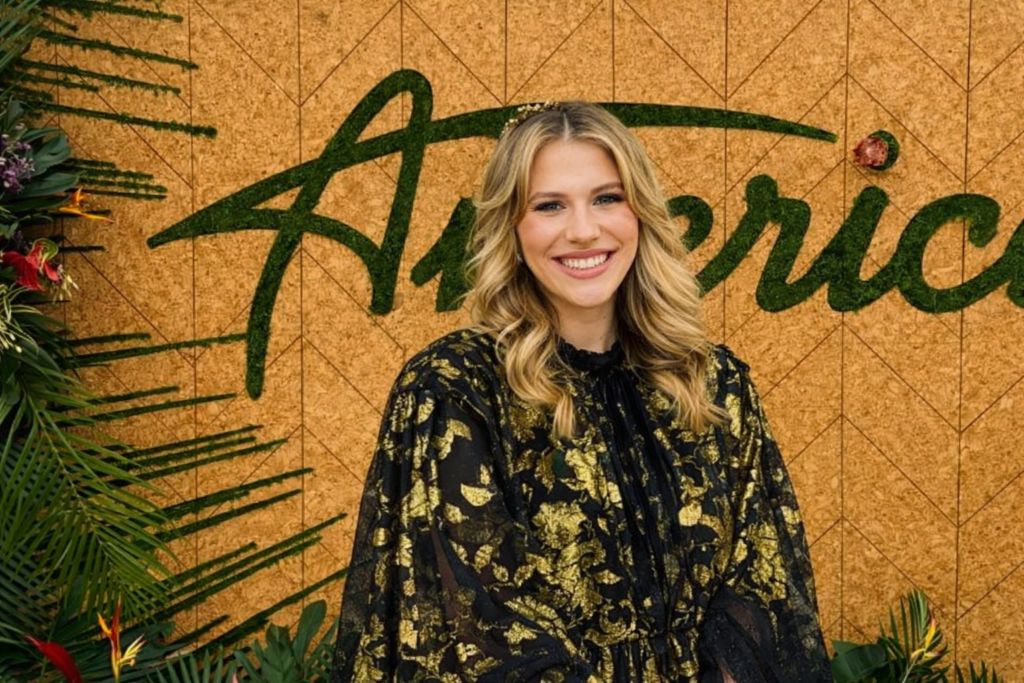
What seems undeniable is Hannah’s command under pressure. Many contestants grow visibly tense as expectations rise. She appears steadier. That calmness may be one of her biggest advantages. In high-stakes environments, confidence becomes contagious. It reassures voters, impresses judges, and unsettles rivals. A contestant who looks certain often becomes one audiences trust to go far.
There is also the matter of presence, the hardest trait to define and the easiest to recognize. Some performers sing beautifully but vanish the moment the song ends. Others linger in memory after a single glance. Hannah appears to have that second quality. People discuss not only how she sounds, but how she carries herself. That is often the earliest sign of star potential.
Still, dominance can create resistance. Audiences sometimes push back when momentum feels too obvious. They root for underdogs, surprise climbers, and late bloomers. If viewers begin feeling that one contestant is inevitable, some may intentionally rally elsewhere just to restore uncertainty. That is the paradox of frontrunner status: the stronger you look, the more people search for someone to challenge you.
For the remaining contestants, this moment can be either discouraging or motivating. A standout performer raises the standard for everyone. Safer song choices become riskier. Average performances feel smaller. To compete now, others may need breakout moments of their own—something raw, fearless, and impossible to scroll past. In that sense, Hannah’s rise could improve the season rather than diminish it.
For the show itself, the stakes are just as real. American Idol thrives when viewers care enough to argue. Debate means investment. Whether people believe Hannah is fairly winning or overly dominant, they are watching, reacting, and choosing sides. In entertainment, indifference is the real threat. Controversy—when rooted in genuine interest—can be fuel.
So, does this still feel like a competition?
Yes—but no longer a simple one. It is now a battle between narrative and disruption, momentum and resistance, certainty and surprise. Hannah Harper stands at the center of it because she has forced the audience to confront what they really want from a show like this.
Do they want the best performer to rise early and clearly?
Or do they want someone else to make sure the ending is not decided yet?
That answer may define the rest of the season more than any single performance ever could.