
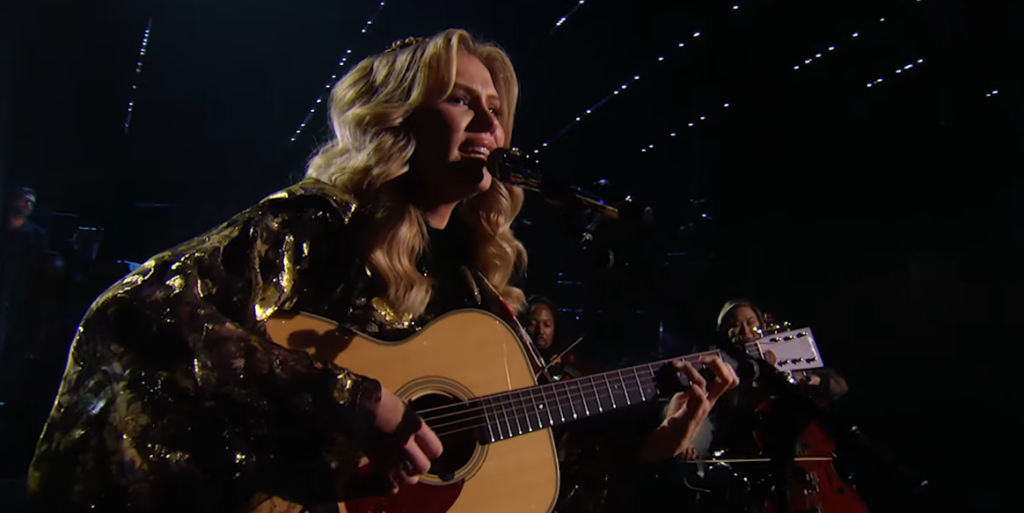
In talent competitions, there is a wide gap between being liked and being feared. A liked contestant earns compliments, polite applause, and comments such as “they’re improving” or “they’re so sweet.” A serious finalist creates a different reaction. Suddenly, viewers discuss chances of winning. Judges speak with urgency. Competitors glance sideways. What often causes that shift is not a dramatic backstory or a perfect note—it is one song choice at exactly the right moment.
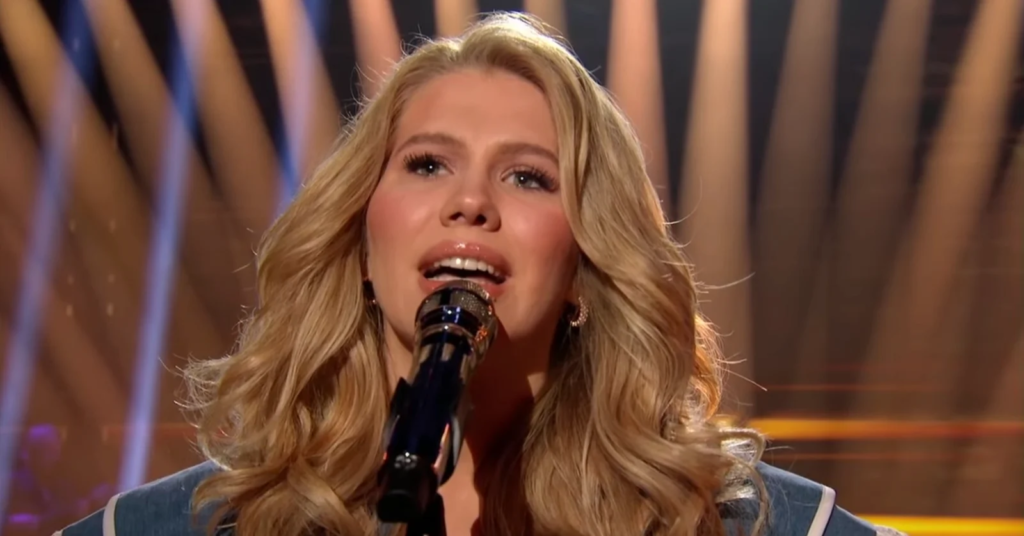
Song choice is one of the few strategic moves audiences can feel instantly without needing to understand why. Before a contestant sings a single line, the room begins making judgments. Is this safe? Bold? Smart? Desperate? Honest? Predictable? The title alone can create anticipation or doubt. Great contestants know they are not only choosing music—they are choosing narrative, emotional terrain, and public perception.
Many contestants remain in the “liked” category because they consistently choose songs that protect them. They sing pleasant, familiar material that flatters their voice but reveals little else. They avoid disaster, but they also avoid transformation. Viewers enjoy them, yet struggle to imagine them carrying a finale. Safety preserves affection while delaying belief.
Then comes the right song. Not simply a famous song or a difficult one, but a song that solves multiple problems at once. It highlights strengths, exposes hidden depth, surprises the audience, and redefines identity in three minutes. Suddenly, the contestant people casually rooted for becomes someone viewers actively track. One smart selection can compress months of momentum into a single night.
The most powerful flip happens when a contestant chooses a song that people did not know they needed from them. Perhaps the soft singer chooses something emotionally dangerous. Perhaps the powerhouse chooses restraint. Perhaps the underdog selects a classic and owns it with maturity. The shock is not in the title itself—it is in the fit. Audiences love discovering a side of someone that was available all along but not yet unlocked.
This is because contests are not only about singing. They are about imagination. Viewers constantly ask: Can I picture this person in the final? Can I picture them on tour? Can I picture them with a winning single? A contestant can be talented and still fail those tests. One song choice can answer all three in one performance. It gives the audience a future version of the artist to believe in.
There is also psychological power in timing. The same song sung in week one may be dismissed. Sung later, after viewers know the contestant, it can land like revelation. Early rounds reward attention. Later rounds reward identity. When a contestant waits until the right moment to unveil a defining performance, it feels strategic even if it was instinctive. The audience senses growth rather than randomness.
The wrong song asks the contestant to serve the material. The right song allows the material to serve the contestant. This distinction matters enormously. Some songs are so iconic that performers disappear inside them. Others become vessels through which personality can emerge. A serious finalist knows when to borrow prestige and when to create ownership. If viewers leave discussing the contestant more than the original artist, the choice likely worked.
Emotion is another deciding factor. Many liked contestants are appreciated technically but not deeply felt. Then one song enters their hands and suddenly the room understands them. A lyric sounds autobiographical. A phrase trembles at the right moment. A chorus feels earned. Technical respect turns into emotional investment. Once people feel attached, rankings change quickly.

There is also the element of risk. Finalists often reveal themselves by taking the kind of risk only finalists can survive. They choose a song that could expose weakness if mishandled, then make it look inevitable. That creates authority. Audiences respond strongly to courage when it is paired with execution. It suggests not just talent, but readiness.
Judges often react differently after these turning-point performances. Their language changes from encouragement to recognition. Instead of saying, “You did great tonight,” they begin saying, “That is who you are,” or “Now we see the artist.” Those comments matter because they signal to viewers that a threshold has been crossed. Validation from authority can accelerate public belief.
Competitors feel it too. In every season, there is a night when the field subtly rearranges itself. Someone previously considered middle-tier suddenly becomes a threat. That often follows a perfect song decision. Other contestants now have to answer a new standard, and pressure shifts across the board. Momentum in competitions is contagious—and destabilizing.
Importantly, one song choice cannot create substance where none exists. It can only reveal what was underused. If a contestant flips from liked to serious finalist overnight, the ingredients were already there: voice, presence, instinct, emotional depth, potential. The right song simply turned on the lights. What looked like sudden growth was often delayed visibility.
This is why audiences remember certain performances for years. Not only because they sounded good, but because they changed the story in real time. We watched a contestant step out of the pleasant middle and into genuine contention. We watched possibility become probability.
So how can one song choice create such a dramatic shift? Because in competitions, songs are not neutral. They are statements. They tell the audience how the contestant sees themselves and how boldly they want to be seen. Choose timidly, and you remain liked. Choose wisely, bravely, and truthfully—and you may become the person everyone suddenly believes can win.