
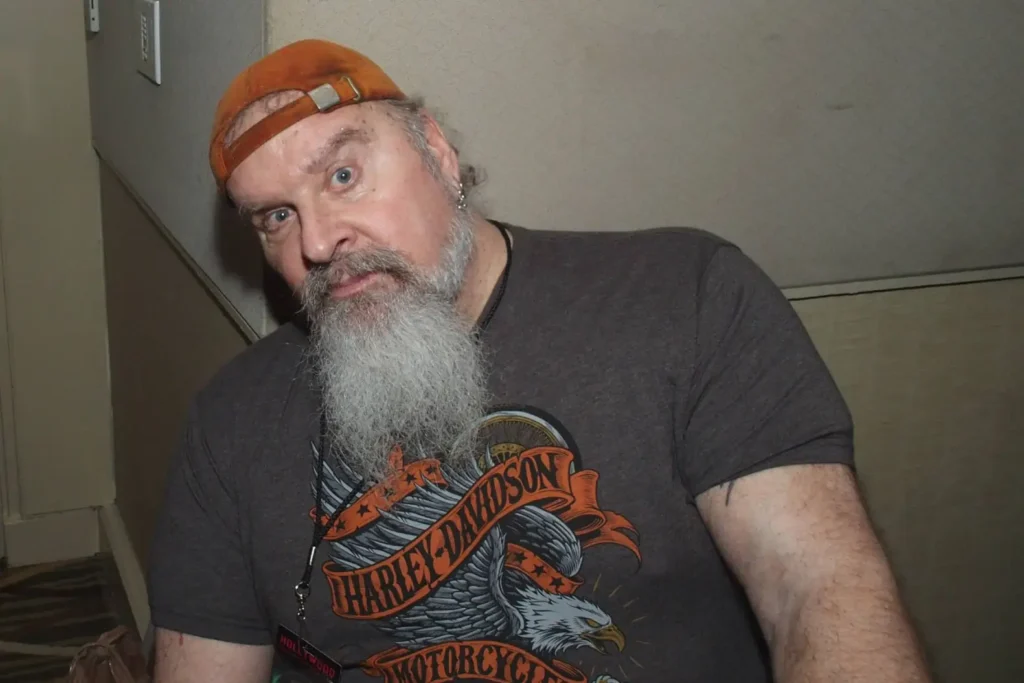
There was a time when Hollywood tough guys looked like they had actually lived through something before the cameras ever found them. Their faces carried dents from bar fights, bad jobs, and years of surviving without luxury. Donald Gibb belonged to that disappearing breed. He was not polished into perfection, nor manufactured through social media charisma. He felt enormous, rough-edged, and strangely believable, like the kind of man who could either protect a room or destroy it depending on the mood he walked in with.
Modern movies still try to create intimidating men, but they often confuse toughness with aesthetic. Today’s action stars are sculpted in gyms, filtered through publicity teams, and trained to appear dangerous while remaining endlessly marketable. Donald Gibb came from a different cinematic universe entirely. His presence was not designed by algorithms or focus groups. When he appeared onscreen, there was always a feeling that the camera had captured somebody too large, too loud, and too real to fully contain.
Part of what made Gibb unforgettable was how accidental his greatness felt. He never carried the carefully engineered mystique that modern Hollywood forces onto rising stars. Instead, he looked like somebody who wandered into the movie by coincidence and simply happened to dominate every frame afterward. Whether audiences remember him from chaotic comedies or cult classics, there was always something primal about him. He didn’t perform intimidation; he naturally radiated it.
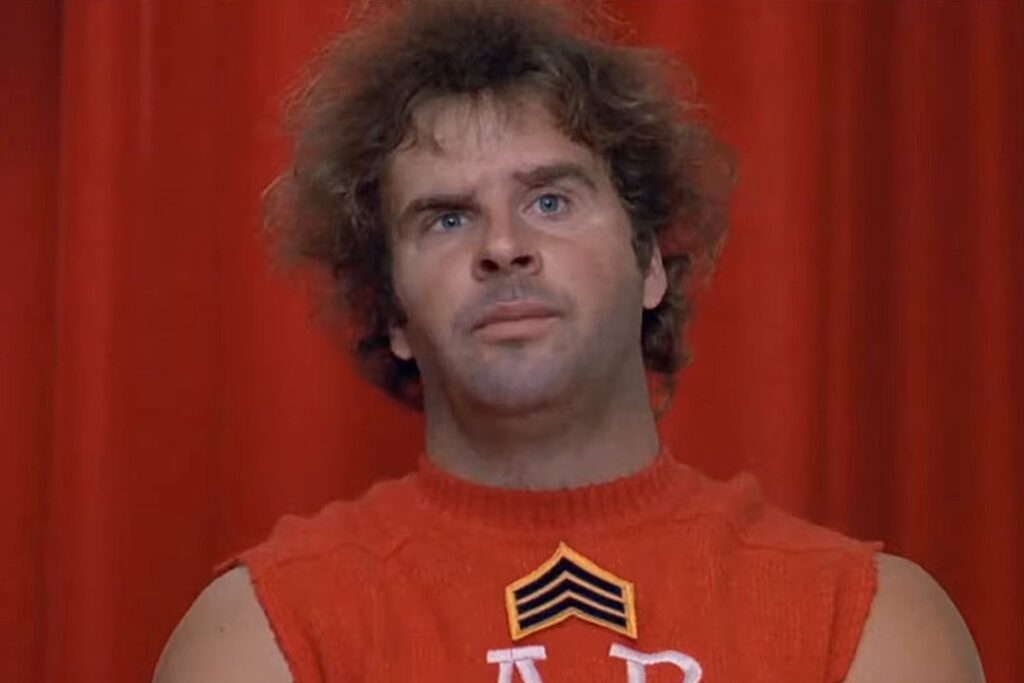
That authenticity is nearly impossible to recreate now because the industry itself has changed. Studios no longer trust unpredictability. Actors are expected to become brands before they become legends. Every interview is polished, every public appearance rehearsed, and every flaw hidden behind media training. Donald Gibb represented the opposite philosophy. He felt wonderfully unfiltered, like a relic from an era when actors still carried mystery because Hollywood had not yet turned personalities into products.
There was also something deeply American about his screen image. Gibb embodied the old-school myth of physical dominance without sophistication. He looked like the kind of man born inside a roadside bar somewhere in the Midwest, raised on cheap beer, football stories, and survival instincts. That energy translated perfectly during the 1980s and early 1990s because audiences still craved larger-than-life figures who reflected raw masculinity instead of polished emotional accessibility.
Ironically, what made him compelling was not simply size or aggression, but vulnerability hiding underneath both. Beneath the intimidating frame was often a strange innocence, even humor. That combination made his characters memorable instead of generic. Modern cinema rarely allows tough men to feel clumsy, awkward, or imperfect anymore. Characters today are carefully balanced to remain likable at all times. Gibb’s appeal came from the fact that he could look dangerous and ridiculous within the same scene.
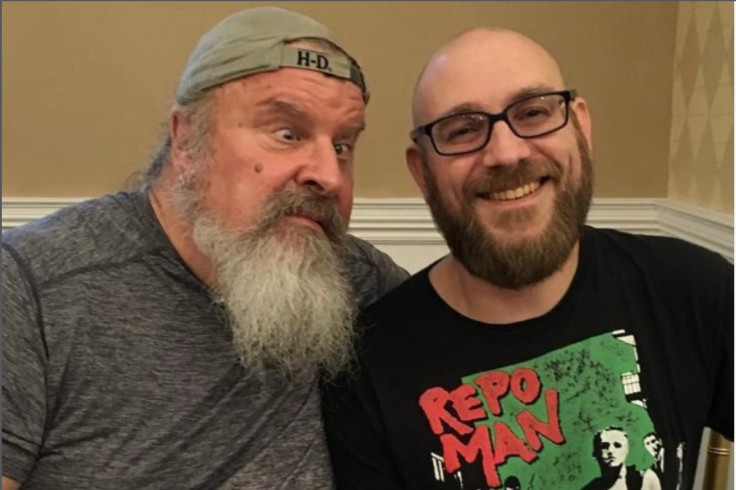
Hollywood’s obsession with universes and franchises also erased performers like him. Studios now prioritize interchangeable actors who can smoothly fit into interconnected intellectual properties. Donald Gibb belonged to an era when character actors became cultural icons through individuality alone. He didn’t need twelve sequels or cinematic lore to remain unforgettable. One scene, one entrance, or one explosive line delivery was enough to permanently burn his presence into viewers’ memories.
There is another uncomfortable truth hidden inside the nostalgia surrounding actors like Gibb. Audiences miss imperfection. They miss faces that were not symmetrical and bodies that did not look engineered by celebrity nutritionists. Donald Gibb felt human despite his intimidating scale. He represented a time when Hollywood still allowed unusual people to become stars rather than sanding everyone into the same polished shape designed for global marketability.
You can see the cultural shift clearly when comparing old cult films to modern blockbusters. Earlier movies often felt slightly dangerous because the people inside them seemed uncontrollable. Today, everything feels safer, cleaner, and heavily supervised. Gibb carried the unpredictable energy that studios now avoid entirely. Executives fear anything that cannot be perfectly managed, but unpredictability was exactly what once made cinema feel alive.
That is why Donald Gibb still lingers in people’s memories long after bigger celebrities faded away. He represented the final echoes of a Hollywood that valued raw presence over calculated image. Watching him now feels less like revisiting an actor and more like looking at a vanished species of movie star. In many ways, audiences are not only mourning Donald Gibb’s era — they are mourning the disappearance of authenticity itself.