
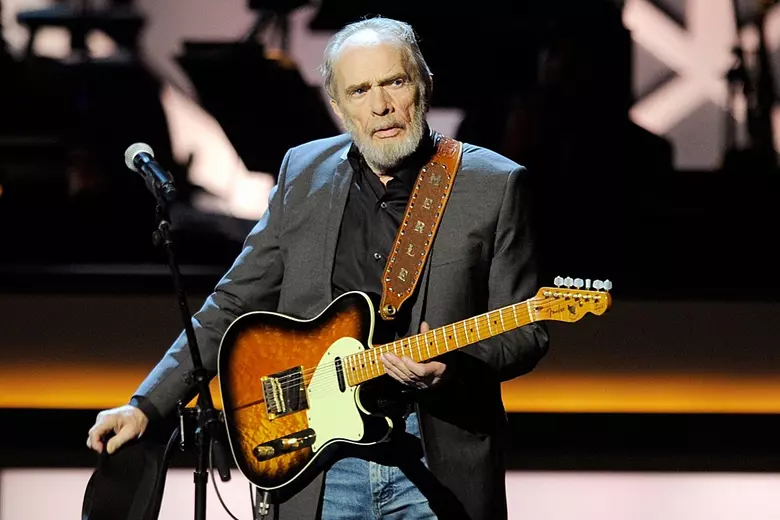
There are country songs that entertain people for a few minutes… and then there are songs that stay with them forever. Merle Haggard’s “Soldier’s Last Letter” belongs to the second category. It is not just a song. It feels like a memory passed down through generations, wrapped in heartbreak, sacrifice, and silence.
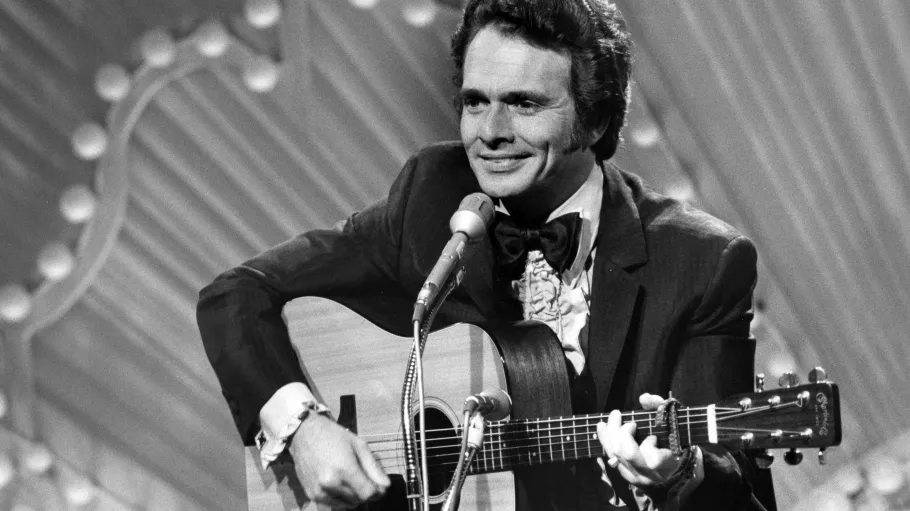
When “The Hag” recorded the emotional ballad, he did something few artists could truly accomplish. He gave a voice to the families waiting at home. Not the soldiers carrying rifles overseas — but the mothers staring out windows, the fathers holding onto hope, and the sweethearts praying for one more letter to arrive.
That is why the song still hits differently decades later.
From the very first verse, listeners are pulled into a deeply personal story. A young soldier writes home from war, trying to comfort his mother while hiding the danger surrounding him. His words are calm. Gentle. Reassuring. But beneath them sits a truth everyone fears.
And then comes the devastating twist.
The final letter is not written by the soldier at all.
It is written by his commanding officer, explaining that the young man died bravely in battle. In only a few verses, Haggard transforms a simple country song into something almost cinematic. You do not just hear the story — you feel the emptiness left behind after the music stops.
What makes “Soldier’s Last Letter” so timeless is its honesty. There are no dramatic speeches or exaggerated patriotic slogans. Merle Haggard understood that real sacrifice is often quiet. Sometimes it lives inside unopened letters, folded flags, and empty seats at dinner tables.
That emotional realism is exactly why Memorial Day feels connected to the song even now.
For many Americans, Memorial Day has become associated with cookouts, long weekends, and summer sales. But Haggard’s performance gently reminds people what the day truly represents. Behind every freedom sits a name, a family, and a story that ended far too soon.
And somehow, Merle knew how to make listeners remember that without ever raising his voice.
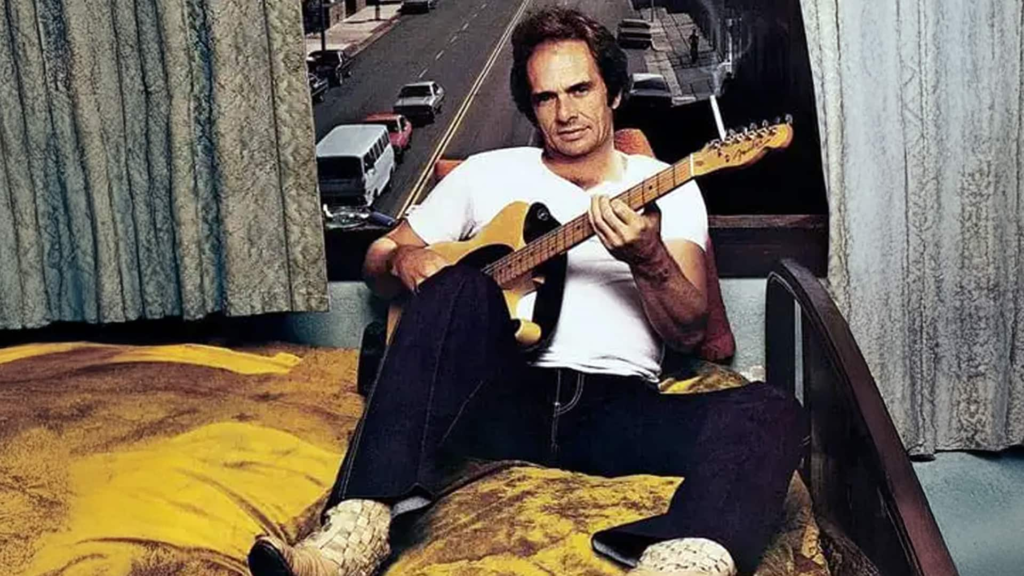
Part of the song’s lasting power also comes from Haggard himself. Before becoming one of country music’s greatest legends, he lived a difficult life filled with hardship, rebellion, and pain. Because of that, when he sang about loss, people believed him. His voice carried the rough edges of someone who understood sorrow firsthand.
That authenticity cannot be manufactured.
Even younger generations discovering the song for the first time often react the same way. In a world dominated by fast-moving trends and viral moments, “Soldier’s Last Letter” slows everything down. It forces listeners to sit quietly with emotions many modern songs avoid — grief, gratitude, and the unbearable weight of goodbye.
And perhaps that is what makes the song feel even more powerful today.
The track does not glorify war. Instead, it honors humanity. It honors the ordinary young men who became heroes without planning to. The sons who promised they would come home. The mothers who waited. The families who received life-changing news in envelopes they never wanted to open.
Merle Haggard turned all of that pain into music people could carry with them.
Every Memorial Day, countless songs fill radios and playlists across America. Some are loud celebrations. Others are patriotic anthems designed for stadium crowds. But “Soldier’s Last Letter” remains different because it speaks softly — and somehow hurts more because of it.
Its sadness is not meant to weaken people.
It is meant to remind them.
Remind them that freedom has always come with a cost. Remind them that many heroes never got the chance to grow old. And remind them that somewhere in history, there was always one final letter that never should have been the last.
That is why Merle Haggard’s masterpiece continues to survive generation after generation.
Because long after the parades end and the fireworks disappear, “Soldier’s Last Letter” still leaves listeners sitting in silence… thinking about the people who never made it home.