
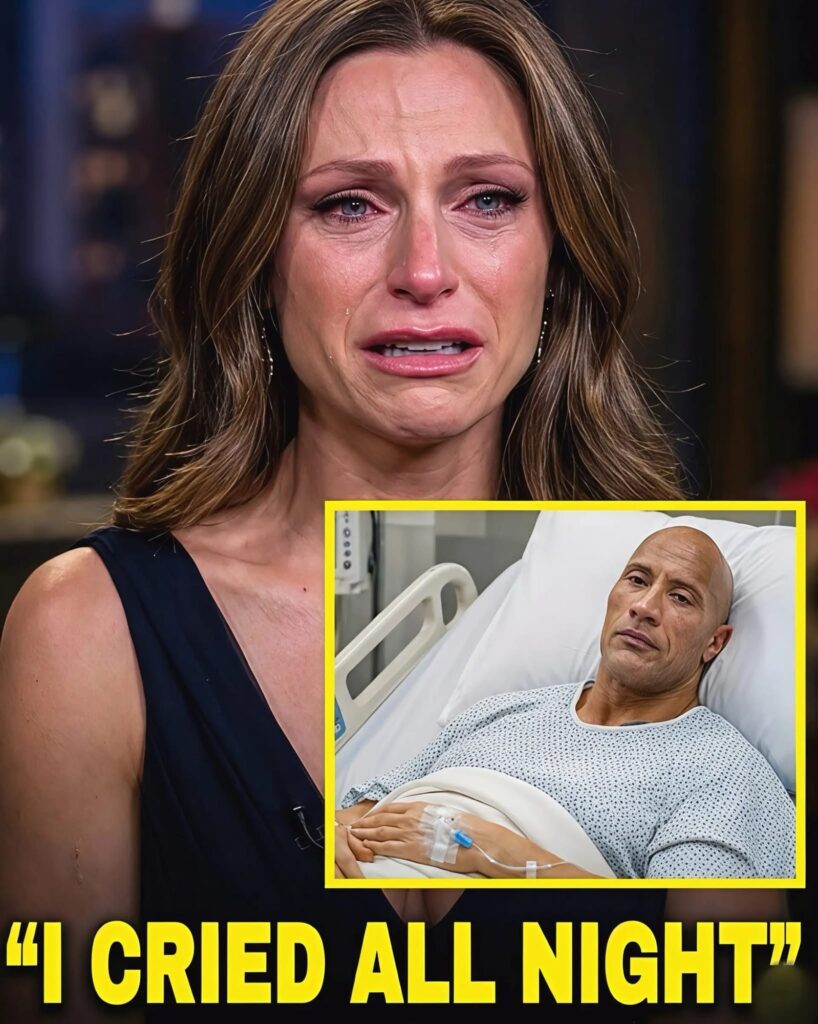
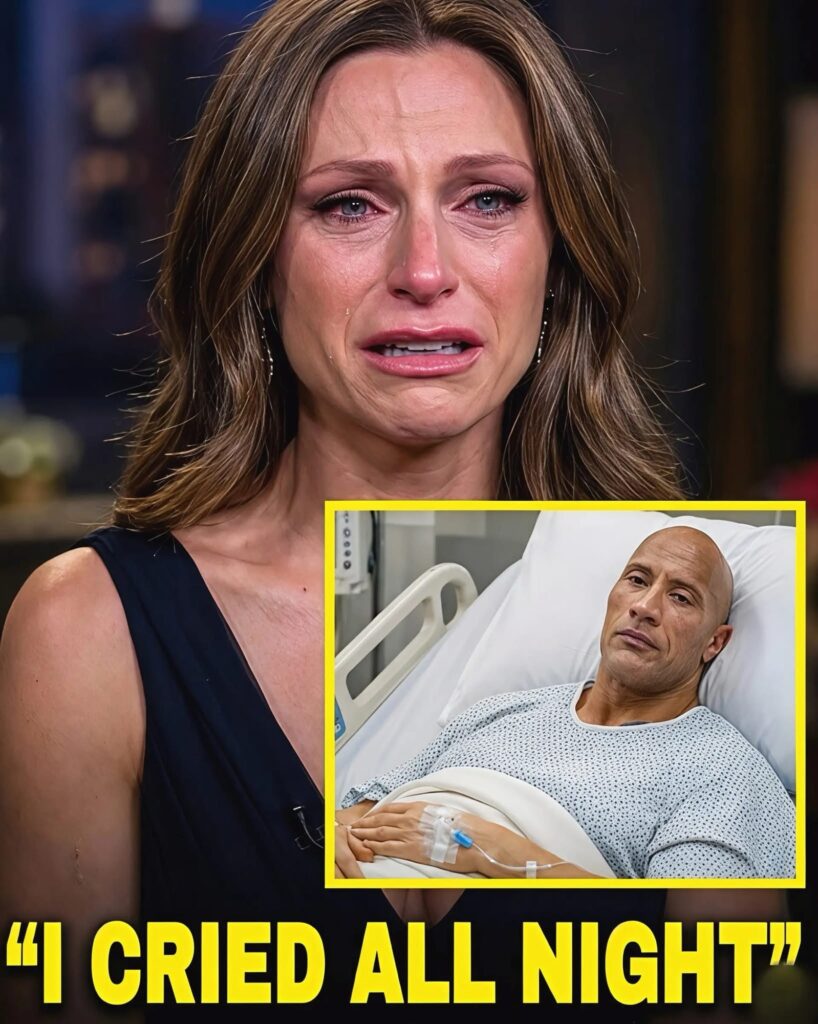
A dramatic headline can spread across the internet in minutes, but that doesn’t make it true. A viral post claiming that Dwayne “The Rock” Johnson was rushed to the hospital in critical condition recently grabbed thousands of clicks, leaving many fans worried and searching for answers.
The story is a reminder of how quickly celebrity rumors travel and why taking a moment to verify information matters. Here’s what we know and why these sensational posts keep appearing online.
Why the Rumor Went Viral
The headline used emotional language, urgent warnings, and phrases like “before it disappears” to create a sense of panic. Those tactics are common in click-driven content designed to make readers react before they think.
When a beloved celebrity is involved, curiosity naturally takes over. Millions of fans follow The Rock’s movies, fitness journey, and family life, making him one of the most recognizable faces in entertainment. That popularity also makes him a frequent target for misleading stories that generate traffic through shock value instead of reliable reporting.
Social media algorithms reward engagement, meaning a surprising claim can spread much faster than a correction. By the time facts catch up, the rumor may already have reached millions of people.
Looking for Reliable Information
When a major celebrity experiences a genuine medical emergency, multiple established news organizations typically report the story, often with statements from representatives or family members.
If a claim appears only on unfamiliar websites with excessive advertising, emotional language, or spelling errors, it’s worth approaching with caution.
Here are a few simple ways to check a viral story:
- Look for coverage from established news outlets.
- Check the celebrity’s official social media accounts.
- Search for statements from representatives.
- Be cautious of headlines that demand immediate clicks or shares.
Taking just a minute to verify a story can help prevent misinformation from spreading even further.
Why Celebrity Hoaxes Keep Appearing
Celebrity health scares have existed for decades, but social media has made them more powerful than ever. A single misleading post can be shared thousands of times before anyone questions its accuracy.
Many of these stories rely on the same formula: an alarming headline, emotional family details, and a promise that readers must act quickly or miss the truth. The goal is often simple—generate clicks, advertising revenue, and engagement.
The Rock’s larger-than-life public image makes him an especially attractive subject for these rumors. Fans care deeply about him, so shocking claims naturally attract attention, even when there is little or no credible evidence behind them.
What Fans Should Remember
It’s understandable to feel concerned when seeing a headline about a favorite actor or athlete. The best response, however, is to pause and verify before sharing.
Supporting accurate information helps everyone. Instead of amplifying rumors, fans can rely on trusted sources and official updates while avoiding websites that profit from panic and speculation.
The next time a dramatic celebrity headline appears in your feed, remember that the biggest story isn’t always the truest one. A few extra seconds of fact-checking can make a huge difference.
If you found this article helpful, share it with friends and encourage them to verify viral stories before passing them along. Together, we can help keep misinformation from spreading.