

There are songs that arrive with intention—and then there are songs that feel like a shift in the air itself. “Butterfly Season” by Ella Langley and Miranda Lambert belongs to the latter. It doesn’t just play—it unfolds, like something quietly waking up after a long stillness.
From the first few seconds, there’s a sense of movement.
Not urgency. Not pressure.
Just motion.
The kind that comes with change you can feel before you fully understand it. The kind that doesn’t ask for attention—it earns it, gently, almost without trying.
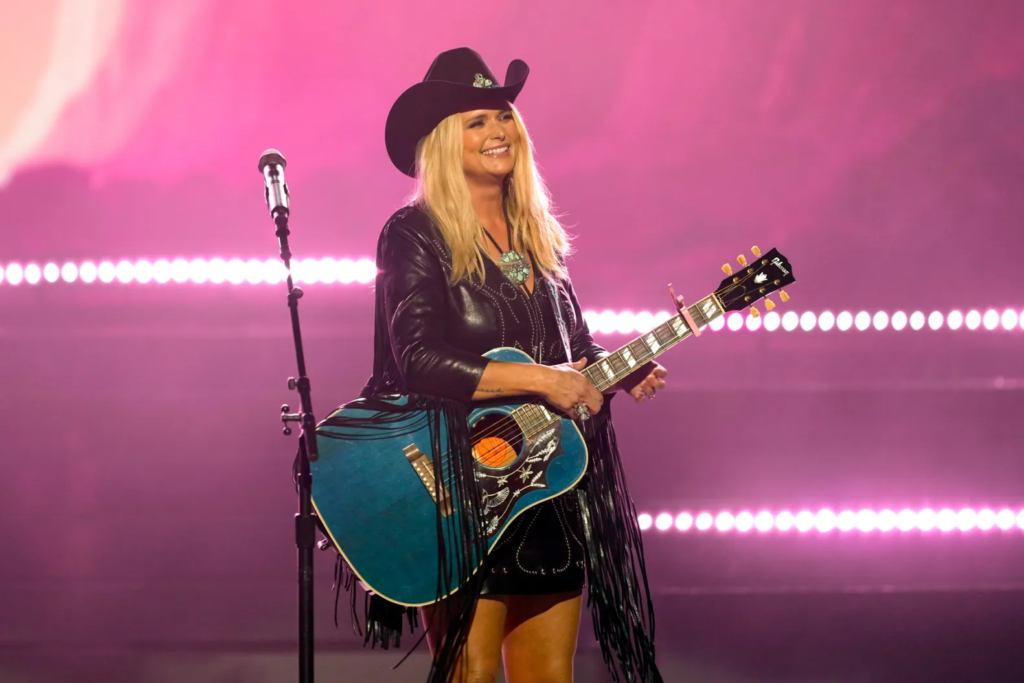
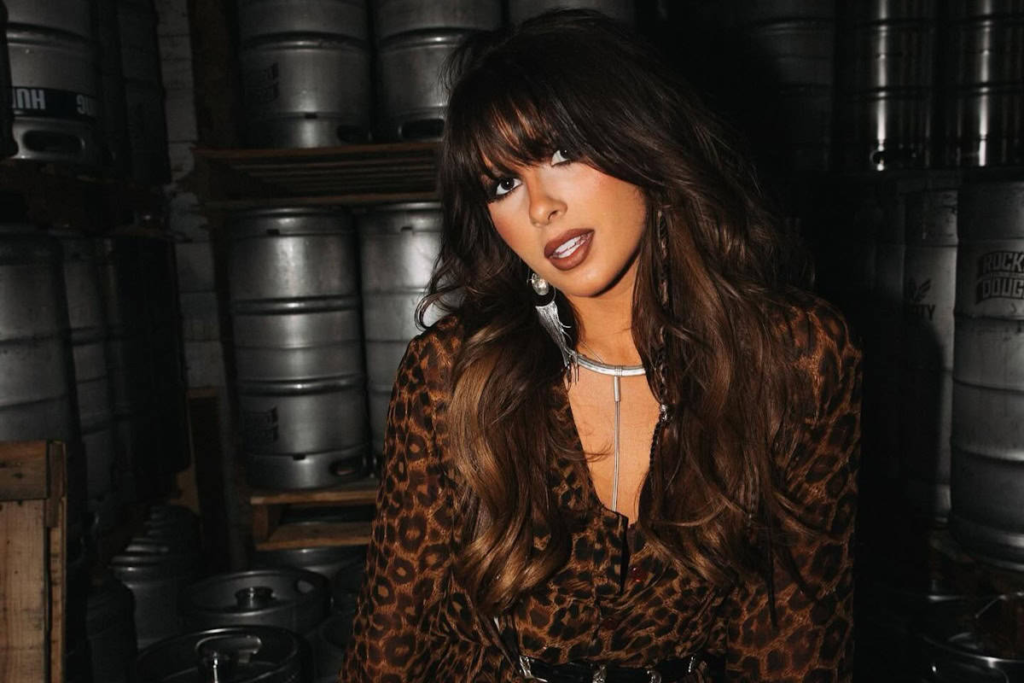
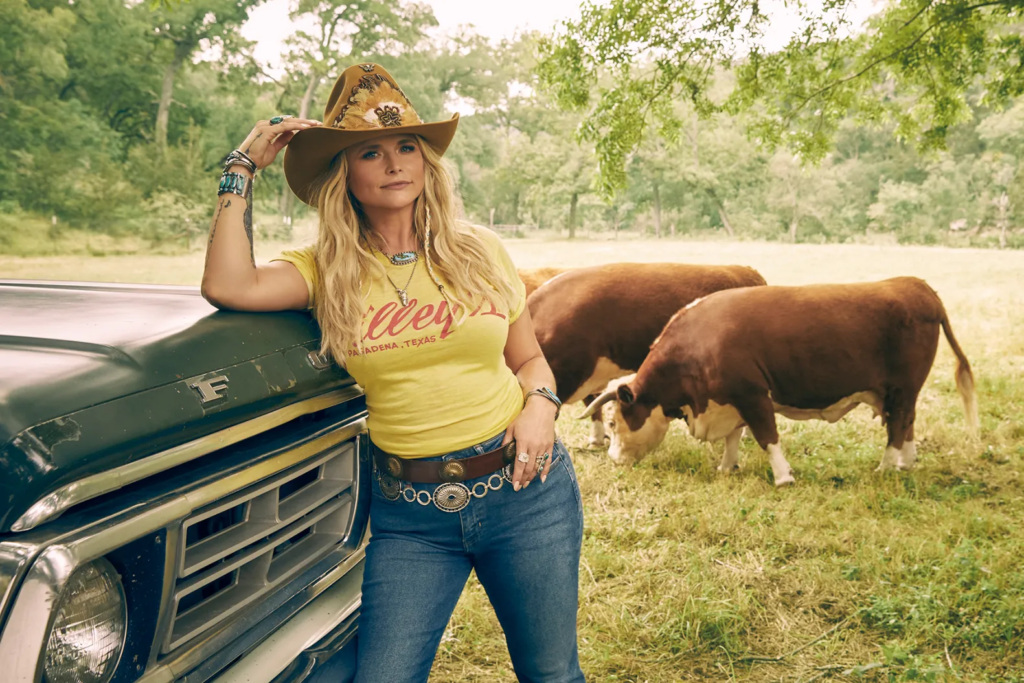
What makes this collaboration stand out isn’t just the pairing of two distinct voices—it’s the way those voices meet. Langley brings a reflective softness, a kind of curiosity that feels like standing at the edge of something new. Lambert brings grounding, a steadiness shaped by experience, a voice that has already walked through seasons and learned how to stay.
Together, they don’t compete.
They align.
And in that alignment, something rare happens. The song doesn’t feel divided between perspectives—it feels unified by emotion. As if both artists are standing in the same moment, just seeing it from different points in time.
That’s where the metaphor begins to take shape.
Butterfly season.
It’s not just about transformation. It’s about timing. About the quiet period before anything changes, where growth happens invisibly. Where nothing looks different on the outside, but everything is shifting underneath.
The song captures that space.
Not the dramatic before or after—but the in-between.
That’s what gives it its depth.
Lyrically, it doesn’t overreach. It doesn’t try to define the moment too clearly or force it into a single meaning. Instead, it leaves room—for interpretation, for reflection, for listeners to place themselves inside it.
And they do.
Because everyone has known a version of this feeling.
The moment where something begins to turn.
Where uncertainty starts to feel like possibility.
Where waiting no longer feels passive—but necessary.
That’s what “Butterfly Season” taps into.
Musically, the track carries a breezy, uptempo rhythm, but there’s something intentional about that lightness. It doesn’t weigh down the listener with the complexity of its themes. Instead, it lifts them—creating a sense of ease that mirrors the emotional release the song is built around.
It’s hopeful.
But not naïve.
There’s a quiet understanding woven into it—that change doesn’t always arrive dramatically. Sometimes, it comes gradually, almost unnoticed, until one day you realize you’re no longer where you were.
And that realization doesn’t need to be loud.
It just needs to be true.
That’s where Lambert’s presence becomes especially meaningful. Her voice carries history—not in a way that looks backward, but in a way that understands forward movement. She doesn’t rush the moment. She holds it, allowing the listener to feel the weight of what’s been and the lightness of what’s coming.
Langley, in contrast, feels like the beginning of that movement. There’s an openness in her tone, a willingness to step into something unknown without needing it to be fully defined. And that balance—between experience and emergence—gives the song its emotional texture.
It becomes more than a seasonal anthem.
It becomes a reflection.
Of where you’ve been.
Of where you might be going.
And of the quiet courage it takes to believe that something new is possible, even when you can’t see it yet.
That’s why the song resonates so strongly with listeners who describe themselves as dreamers. Not because it promises outcomes, but because it acknowledges the process. The waiting. The hoping. The subtle shifts that eventually lead to something visible.
“Butterfly Season” doesn’t tell you that everything will change.
It reminds you that it already is.
And maybe that’s its most powerful quality.
Not that it inspires action.
But that it recognizes transformation—already in motion, already unfolding, already closer than it feels.
Because sometimes, the most important season isn’t the one you see.
It’s the one you’re becoming.