
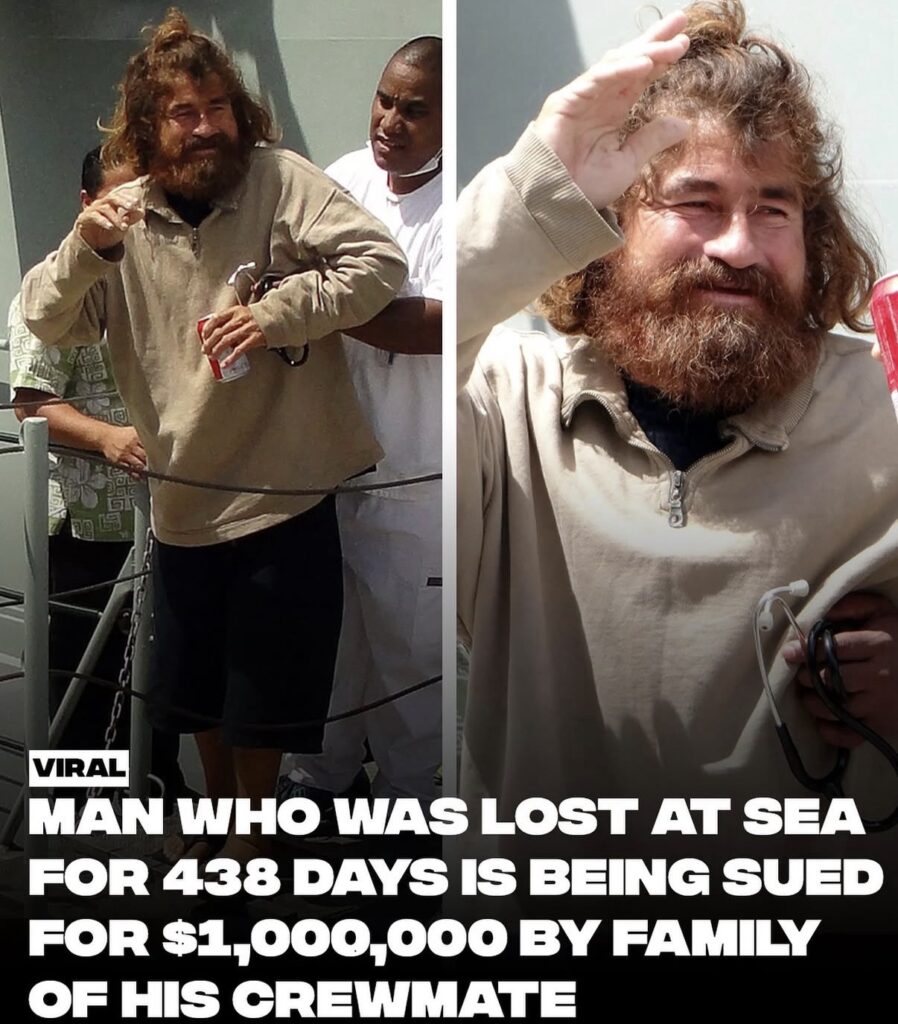
Imagine setting out for a quick two-day fishing trip and not stepping foot on dry land again for over a year. That is the reality Salvadoran fisherman José Salvador Alvarenga faced in 2012. What started as a routine excursion turned into one of the most remarkable survival stories in maritime history—and eventually, a multi-million dollar legal battle.
The Storm That Changed Everything
In late 2012, Alvarenga and his 22-year-old crewmate, Ezequiel Córdoba, departed from Mexico. Just 15 miles off the coast, a vicious week-long storm crippled their boat’s motor and electronics, dragging them deep into the vast emptiness of the Pacific Ocean.
For months, the duo survived on the unthinkable:
• Raw fish and turtles caught by hand.
• Bird blood and rainwater (and sometimes their own urine) to stay hydrated.
• Extreme isolation under the relentless sun.
A Heartbreaking Loss
After roughly 10 weeks, tragedy struck. Córdoba, unable to stomach the raw diet, fell ill and eventually passed away. Alvarenga was left entirely alone with the body of his friend. In his grief and mounting delirium, he reportedly held conversations with the deceased Córdoba for days before finally deciding to lay him to rest in the ocean.
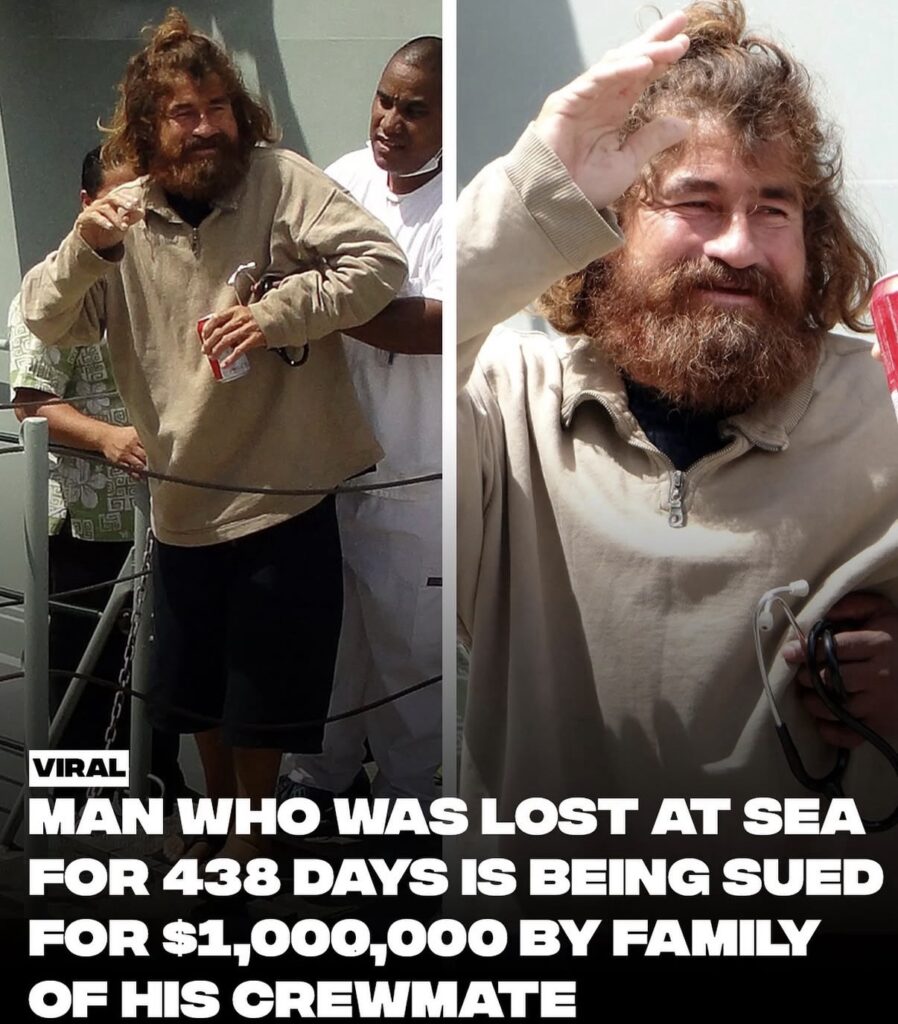
Alvarenga drifted for another year. Against all odds, he eventually washed ashore on the remote Ebon Atoll in the Marshall Islands—6,700 miles away from where he started.
From Hero to Defendant
While the world celebrated his “miraculous” return, the story took a dark turn following the release of the book 438 Days.
Ezequiel Córdoba’s family filed a $1 million lawsuit against Alvarenga, accusing him of cannibalism. They alleged that Alvarenga had only survived by consuming their relative. Alvarenga has steadfastly denied these claims, maintaining that he and Córdoba had made a pact never to eat one another.
To prove his innocence, Alvarenga even passed a lie detector test, while his legal team argued that the lawsuit was merely an attempt by the family to claim a share of the book’s royalties.
The Big Question: In a life-or-death survival situation, where does the line between morality and instinct sit? Alvarenga’s story remains a testament to the will to live, even as it remains clouded by a tragic legal dispute.