

There are songs that arrive polished, engineered to perfection, shaped by rooms full of professionals chasing a hit. And then there are songs that feel like they slipped through a crack in reality — not meant to be heard, not meant to survive. “String Cheese” belongs to the second kind. It doesn’t introduce itself. It confesses.
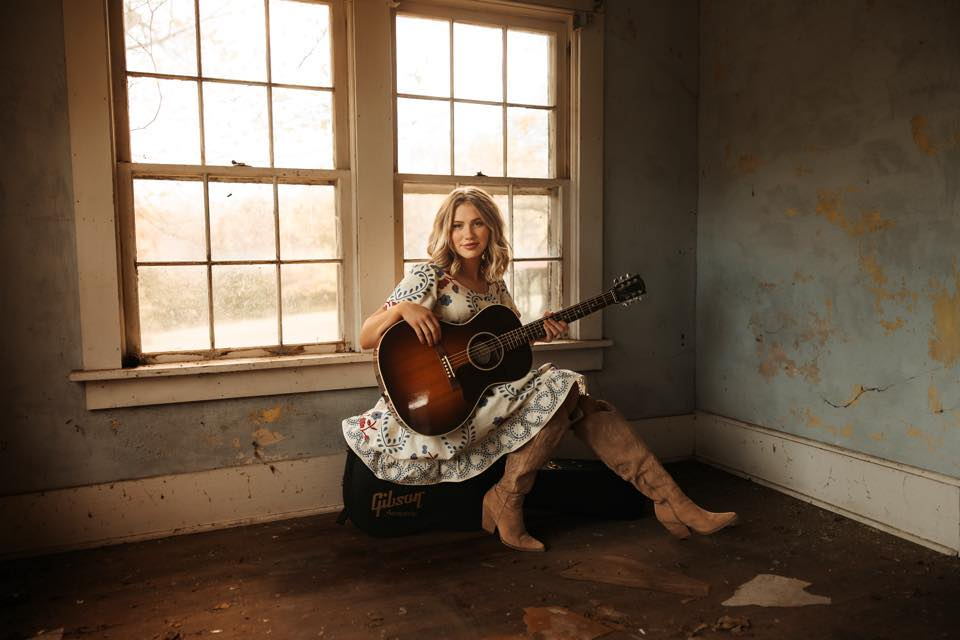
Before the lights, before the stage, before the validation of millions, there was only a room. A quiet one. Not peaceful quiet — the kind that hums with something unspoken. For Hannah Harper, that silence wasn’t empty. It was heavy. It pressed against her thoughts until something had to break.
Most artists wait for clarity. They wait until the chaos settles, until they can step outside their pain and observe it neatly. But this wasn’t that kind of creation. This was art made inside the storm — while the walls were still shaking, while the answers hadn’t come yet. It wasn’t reflection. It was survival.
There’s a psychology to that kind of writing. When the mind is stretched thin, it stops filtering. It stops asking what sounds right, what will sell, what fits the mold. It reaches for what is real — sometimes painfully, sometimes imperfectly. And in that moment, the song becomes less of a product and more of a release valve.
That’s why “String Cheese” feels different. Structurally, it doesn’t follow the polished symmetry of industry-crafted music. It breathes unevenly. It pauses where it shouldn’t. It moves forward without asking permission. It feels like someone thinking out loud — because that’s exactly what it is.

In the industry, songs are often built like architecture — deliberate, calculated, designed to hold attention. But this one feels like it grew instead. Like something that pushed through cracks in the floor, ignoring design altogether. It doesn’t guide the listener. It lets them wander.
And maybe that’s why it resonates. Because it doesn’t try to impress — it tries to be honest. In a world where so much music is shaped by expectation, this one feels untouched by it. There’s no sense of performance in its bones. Only presence.
The space where it was created matters more than most people realize. Not a studio. Not a stage. A domestic space — ordinary, familiar, almost invisible. And yet, that space became something else entirely. A battlefield where silence and emotion negotiated their existence.
There’s something quietly radical about that. The idea that a place associated with routine — with daily life, with repetition — could become the birthplace of something so raw. It reframes creativity entirely. It suggests that art doesn’t need the perfect setting. It only needs truth.
And maybe that’s the real reason this song shouldn’t exist. Because it wasn’t planned. It wasn’t prepared. It wasn’t even meant to be shared in the way it was. And yet, somehow, it made its way out — carrying with it the weight of a moment that was never supposed to be seen, only felt.