

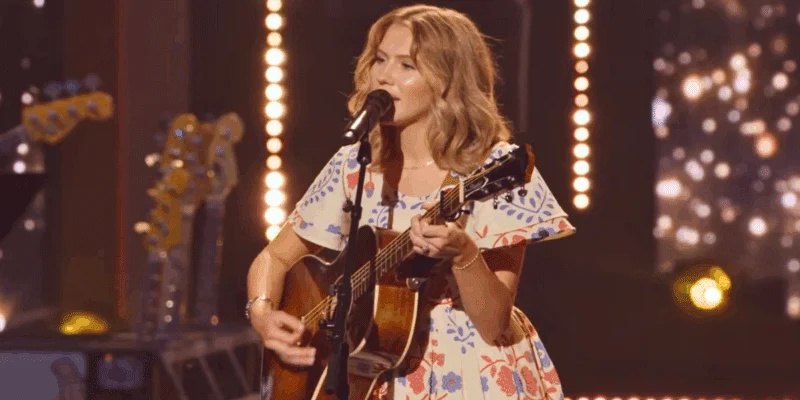
There is an invisible line every public figure must cross if they want to become more than admired. It is not the line between talented and untalented, polished and unpolished, famous and unknown. It is the line between being watched and being felt. This is what could be called the relatability threshold—the moment audiences stop seeing a performer as simply someone on a stage and start experiencing them as someone they understand. Hannah seems to have crossed that line, and what makes it notable is how little effort it appeared to require.
Relatability is often misunderstood. Many assume it means being ordinary, casual, or strategically approachable. They mistake it for oversharing in interviews, forced humility, self-deprecating jokes, or carefully rehearsed vulnerability. But audiences are sharper than they are often given credit for. They can sense when relatability is being performed rather than lived. They know when someone is trying to appear “real” as a branding tactic. The result is usually distance disguised as intimacy.
Forced relatability tends to follow a familiar script. A contestant speaks in prepackaged honesty. A celebrity emphasizes how “just like everyone else” they are while surrounded by obvious curation. A performer narrates every struggle in ways that feel timed for sympathy rather than truth. None of this always fails, but it rarely lasts. It asks people to believe something rather than letting them discover it naturally.
Hannah’s appeal appears to come from the opposite direction. Instead of insisting she is relatable, she may simply behave like someone comfortable being herself. That distinction changes everything. Authenticity does not announce itself loudly. It is revealed in consistency, tone, reactions, and choices made when there is no clear reward for making them. It feels unforced because it often is.
One reason audiences connect to someone like Hannah is emotional proportion. Some performers overstate every feeling, reacting to small moments as though cameras require maximum intensity. Others remain so guarded that viewers cannot access them at all. Hannah may sit in the more difficult middle ground—responsive without exaggeration, warm without overselling warmth, expressive without turning sincerity into performance. That balance feels human because most real people live there.
Another key factor is imperfection handled calmly. Forced relatability often tries to package flaws into charming content. Genuine relatability allows imperfections to exist without theatrical framing. A missed beat, a nervous laugh, an unpolished answer, a moment of visible relief—these small human details can build more trust than polished speeches ever could. If Hannah has shown those moments without turning them into identity statements, viewers likely noticed.
Language matters too. People respond strongly to those who sound like themselves rather than like media training. Some contestants speak as though every sentence has been tested in advance. Others communicate in a rhythm that feels natural—slightly uneven, specific, unmanufactured. If Hannah speaks with that kind of ease, audiences receive it as honesty. Not because every word is profound, but because it sounds lived-in rather than assembled.
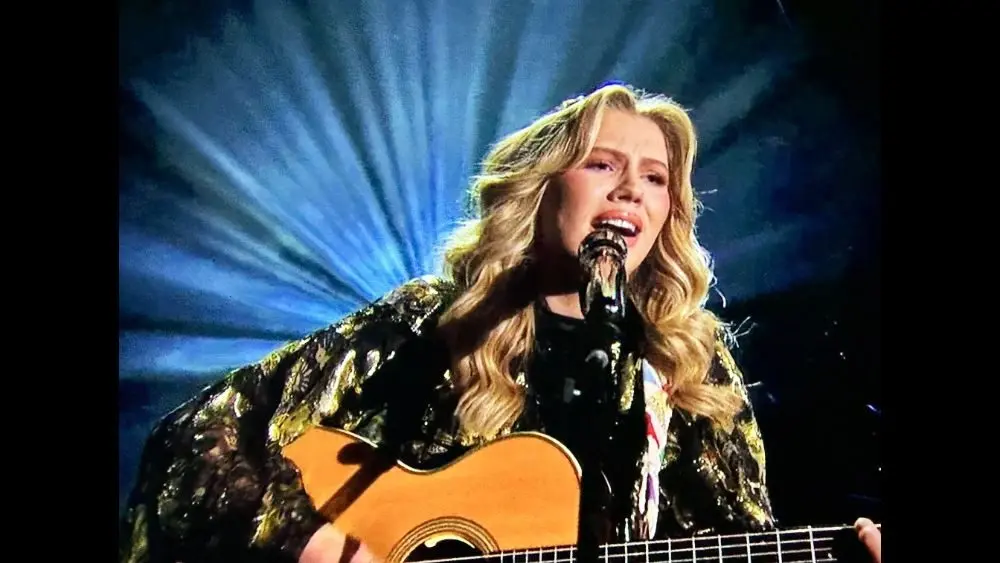
Relatability also grows when ambition is visible but not desperate. Audiences admire hunger, but they recoil from visible calculation. When someone seems obsessed with winning approval, every gesture becomes suspect. Hannah may have crossed the threshold because she appears invested in doing well rather than obsessed with being loved. That creates room for viewers to come toward her on their own terms.
There is power in not trying too hard to be universally liked. Many contestants flatten themselves into agreeable neutrality, hoping no one will object. Ironically, this often makes them forgettable. Genuine relatability includes edges: preferences, quirks, limits, perspective. People do not bond with perfection; they bond with texture. If Hannah has retained her natural shape instead of sanding herself down for mass approval, that uniqueness likely helped rather than hurt.
Consistency is another reason thresholds get crossed. Audiences do not decide someone is authentic from one emotional speech or one charming clip. They decide through repetition. Week after week, tone after tone, pressure after pressure, they watch whether the person remains recognizable. If Hannah feels the same in victory, critique, tension, and celebration, viewers interpret that stability as truth.
There is also a psychological relief in encountering someone who does not appear to be performing relatability. Modern audiences are surrounded by personal brands asking to be trusted. Every platform is full of curated vulnerability and monetized openness. In that environment, someone who simply seems grounded can feel surprisingly refreshing. Hannah may benefit from being read not as a strategy, but as a person.
Crossing the relatability threshold changes voting behavior and long-term support. Admiration can generate applause, but identification generates loyalty. People cheer talented performers; they return to artists who feel emotionally legible. Once viewers feel they know someone—not in a literal sense, but in a human sense—they become more patient, more invested, and more willing to support growth.
This does not mean Hannah’s talent is secondary. Relatability without ability has a short shelf life. But talent paired with authenticity becomes unusually durable. Skill gives audiences a reason to notice. Relatability gives them a reason to stay. When both are present, momentum begins to look organic rather than manufactured.
So how did Hannah cross the relatability threshold without trying too hard? Perhaps because she did not treat relatability as a threshold at all. She may have focused on showing up honestly, letting moments happen naturally, and trusting that audiences can recognize what is real without being instructed to. That trust is rare. And when people feel trusted, they often respond with something stronger than attention—they respond with belief.