

In talent competitions, audiences are often taught to notice the obvious. The loudest note. The biggest stage move. The dramatic costume change. The impossible vocal run that forces judges to leap from their chairs. These moments are designed to dominate attention, and many of them deserve the reaction they receive. But every season, there is usually one contestant who disrupts that pattern. Someone quieter. Someone less theatrical. Someone who advances not by overpowering the room, but by understanding it. Hannah Harper appears to be that kind of success story.
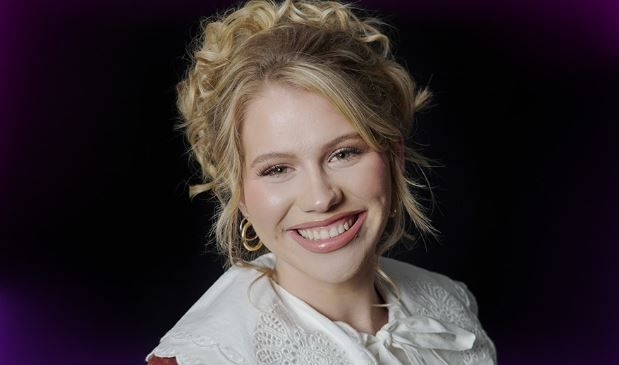
At first glance, contrarian success can look confusing. If another contestant sang higher, danced harder, or delivered a bigger spectacle, why would Hannah move forward? The answer is that competitions are rarely won by raw volume alone. As the field narrows, technical ability becomes common currency. By the time contestants reach advanced rounds, most can sing well, perform confidently, and command a stage. What begins to matter more is distinction—the quality that makes one performer feel necessary rather than merely impressive.
Hannah’s strength may lie in the fact that she does not compete on the same battlefield as louder contestants. While others chase moments built for instant applause, she may be creating moments built for retention. There is a difference. Some performances explode and disappear by morning. Others linger quietly in memory. Viewers replay them mentally while making coffee, driving home, or scrolling through clips the next day. In voting environments, memory can be more powerful than noise.
The loudest performer often wins the room for three minutes. The most resonant performer can win the vote hours later. That distinction matters. Audiences do not always cast ballots in the emotional heat of the performance itself. They vote afterward, when the spectacle has cooled and instinct takes over. In that quieter moment, people ask themselves a simpler question: Who did I actually feel something for? If Hannah answered that question more clearly than others, advancement becomes less surprising.
There is also a growing fatigue with overproduction. Modern viewers are sophisticated. They have seen fireworks, camera tricks, vocal acrobatics, and dramatic pauses manufactured for reaction. They recognize when they are being instructed to be impressed. This does not mean spectacle no longer works—it means spectacle alone is no longer enough. A contestant who arrives with sincerity, steadiness, and emotional clarity can feel refreshing in a field crowded by escalation.
Hannah may benefit from relatability, one of the most underestimated currencies in public voting. Many viewers do not choose contestants solely based on who seems superhuman. They choose the person who feels real. Someone they could know, root for, or see a part of themselves in. If Hannah presents warmth instead of distance, authenticity instead of polish, she invites emotional investment. People vote for talent, yes—but they often champion connection.
Another factor is trust. Some performers feel unpredictable in the wrong way: one brilliant week followed by one chaotic week. Others feel technically gifted but emotionally inaccessible. Hannah’s path forward may be built on consistency. Audiences reward contestants who make them feel safe placing support behind them. If she repeatedly delivers tasteful choices, controlled performances, and honest moments, viewers begin to trust that their vote will be well spent.
Contrarian success also comes from timing. In early rounds, explosive personalities and flashy performances naturally stand out because they must cut through a crowded field. But later rounds reward depth. Once everyone is talented, the competition shifts. The audience starts searching for artistry, identity, and emotional intelligence. A contestant who seemed understated early can suddenly look sophisticated later. Hannah may not have changed as much as the lens through which people are now seeing her.
There is something powerful about restraint. In a noisy environment, calmness becomes contrast. If multiple contestants push for maximum impact, the one who knows when not to push can command attention differently. A soft phrase after a series of belted choruses elsewhere in the lineup can feel intimate. A still posture among constant choreography can feel confident. A measured delivery can seem mature. Hannah’s subtlety may not be smaller—it may simply be sharper.
Narrative matters too. Audiences love discovering someone rather than being told who the star is. If Hannah was not the pre-packaged favorite, each strong week feels like earned momentum. Viewers enjoy participating in that rise. They become protective of contestants who exceed expectations quietly. Supporting such a contestant can feel personal, almost like recognizing value before everyone else does.
Then there is the psychology of contrast between judges’ reactions and audience reactions. Judges may celebrate technical fireworks loudly because television rewards visible enthusiasm. But viewers at home often make more private calculations. They ask who they would stream, who they would attend live, who they would trust with an emotional song, who they would enjoy over time. Those answers can differ sharply from in-studio energy.
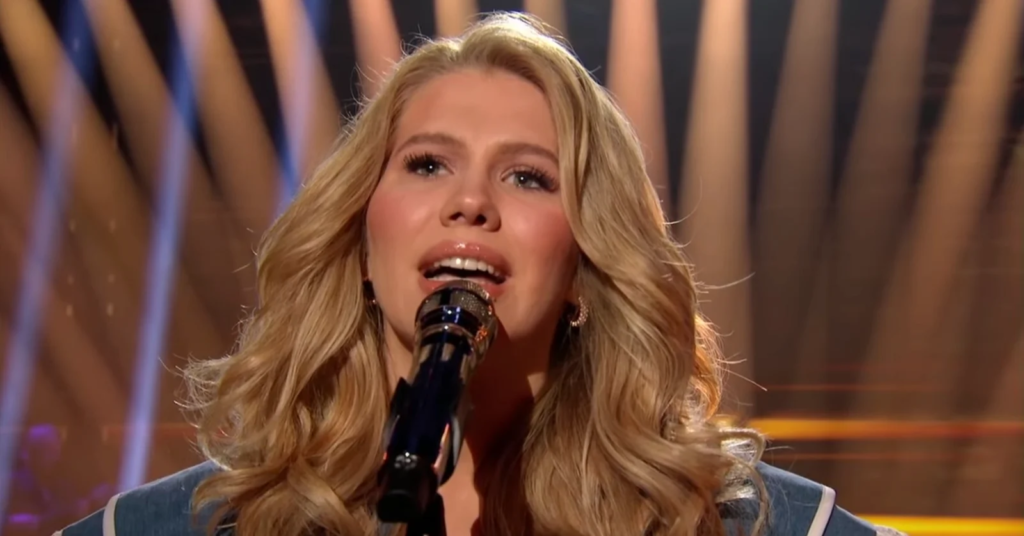
Hannah Harper advancing may therefore say less about what she lacks and more about what she possesses. She may not be the loudest because she does not need to be. She may not be the flashiest because she understands that flash fades quickly. She may be operating in the more durable lane of artistry: connection, control, identity, and emotional precision.
This is the lesson many competitions reveal every year. Bigger is visible, but better is not always bigger. Sometimes the contestant who wins the most cheers in the room loses the quieter battle taking place in living rooms everywhere. Sometimes the performance people shout about is not the one they vote for.
So why did Hannah Harper advance? Possibly because she offered something rarer than spectacle. She offered trust in a field of uncertainty, intimacy in a field of noise, and sincerity in a format built on grand gestures. That kind of success can look contrarian only until the results arrive. Then it looks exactly like what it was all along: audience intelligence at work.